People
The family, friends, loves and rivals who shaped his life, and the poems where they appear.
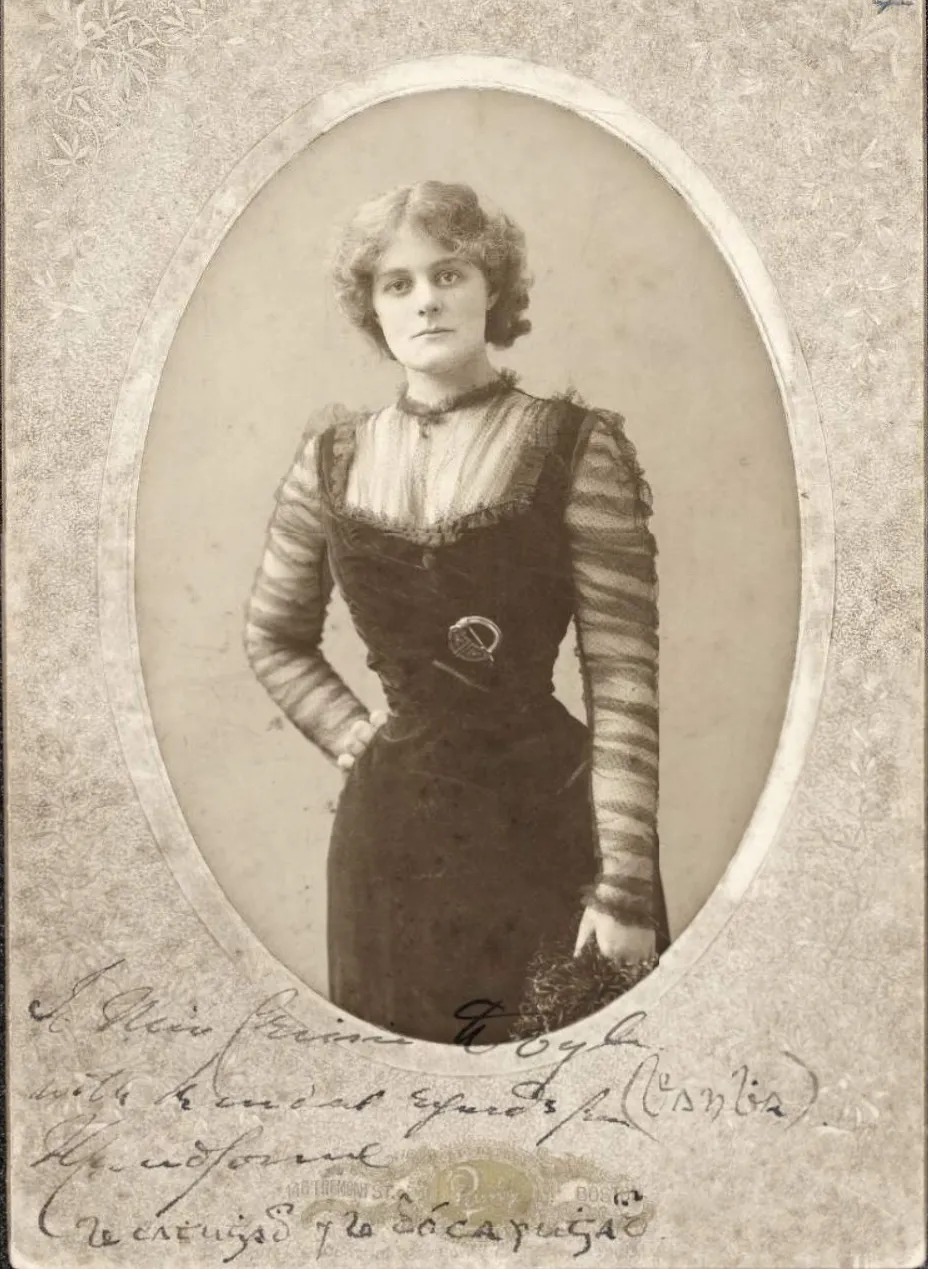
Maud Gonne
1866-1953
English-born Irish nationalist, actress and campaigner whom Yeats met on 30 January 1889 and loved for most of his life. She refused his proposals from 1891 onwards and married John MacBride in 1903. She played the title role in Cathleen ni Houlihan in 1902 and remains the central muse of his love poetry.
When You are Old, The Sorrow of Love, Adam's Curse, No Second Troy, Words, Reconciliation, A Woman Homer sung, Broken Dreams, Among School Children, A Bronze Head, Beautiful Lofty Things
Iseult Gonne
1894-1954
Maud Gonne's daughter by Lucien Millevoye. Yeats knew her from childhood, proposed to her in 1917 and was refused. She married the novelist Francis Stuart in 1920.
To a Child dancing in the Wind, Two Years Later, To a Young Beauty, To a Young Girl, Men improve with the Years
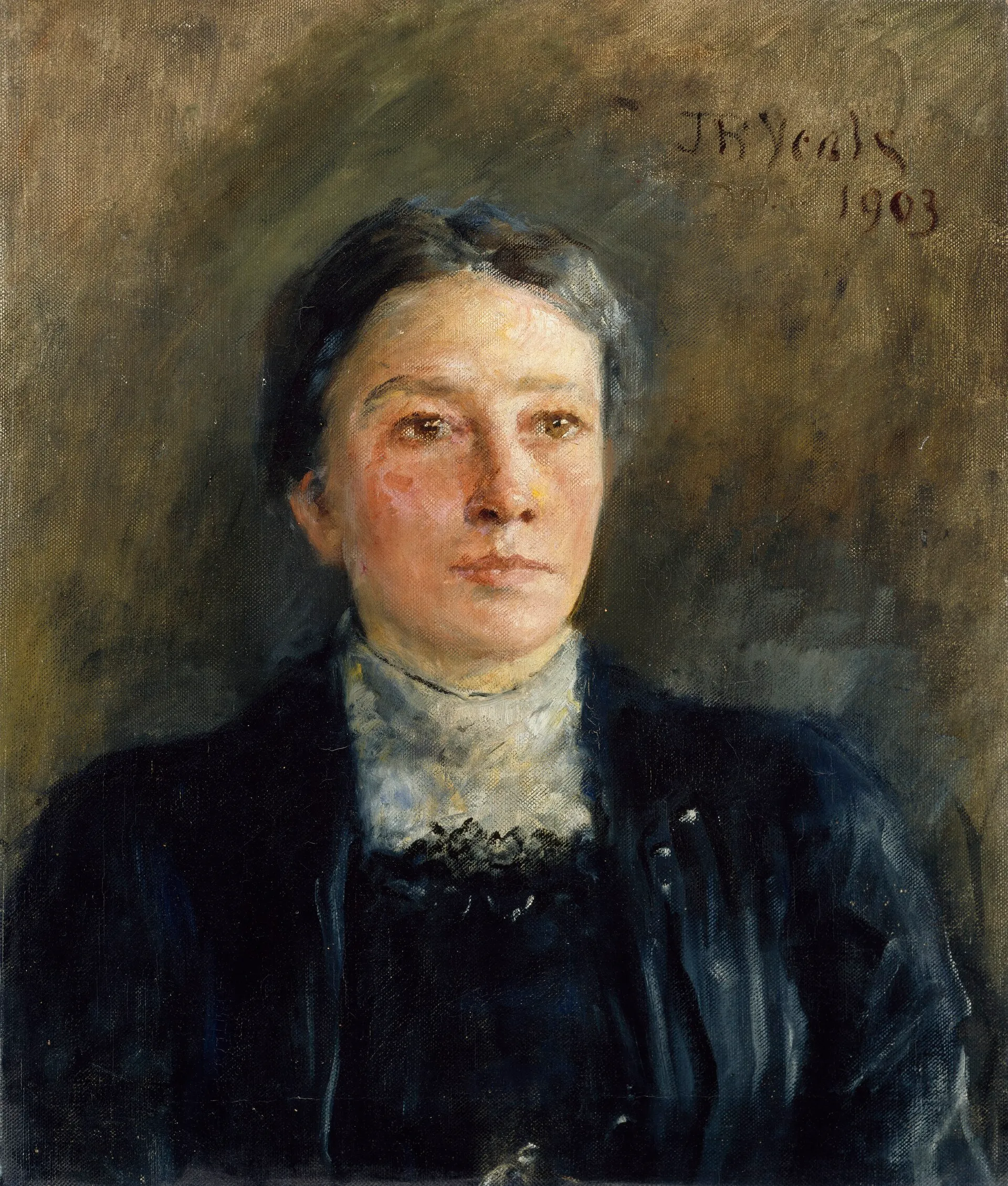
Augusta, Lady Gregory
1852-1932
Playwright, folklorist and mistress of Coole Park, whom Yeats met in 1896. She gave him a second home, collected folklore with him, co-wrote plays and ran the Abbey Theatre with him.
Coole Park, 1929, Coole Park and Ballylee, 1931, Friends, The New Faces, To a Friend whose Work has come to Nothing, Beautiful Lofty Things, The Municipal Gallery Revisited
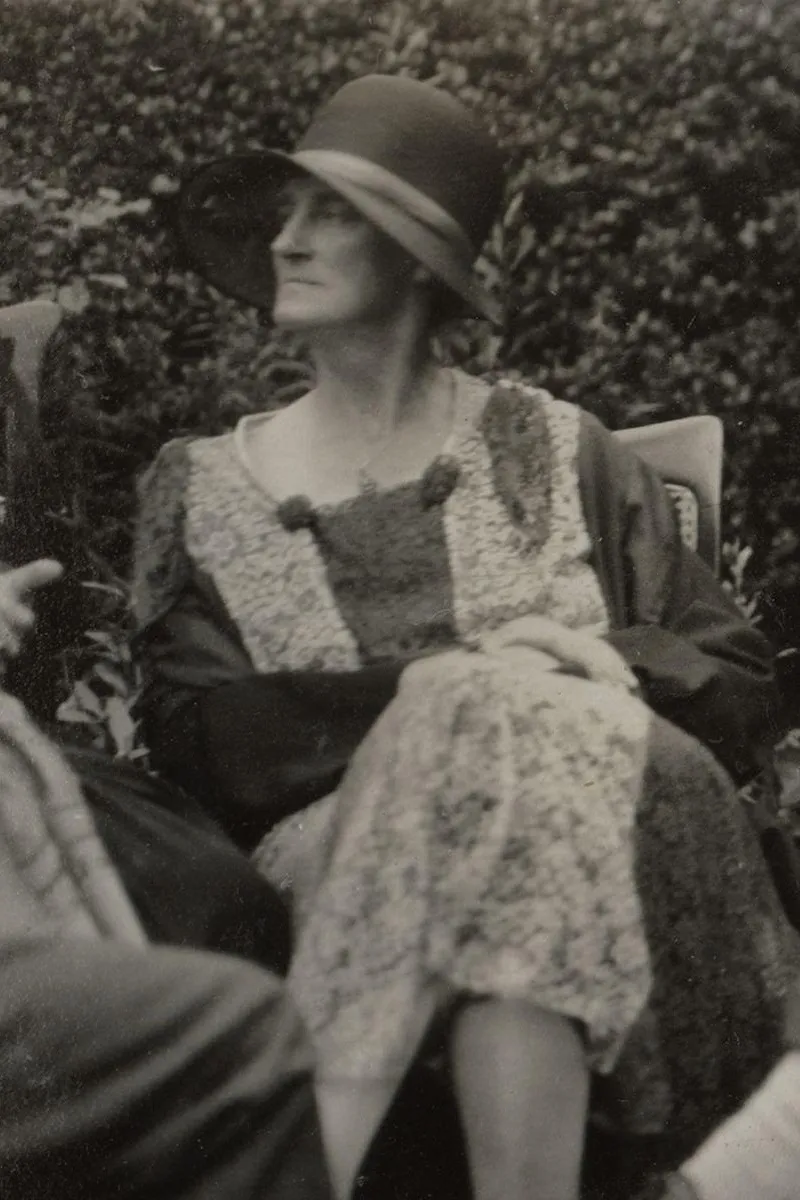
Georgie (George) Hyde-Lees Yeats
1892-1968
Yeats's wife from 20 October 1917. Her automatic writing, begun on their honeymoon, supplied the system of A Vision. She managed his affairs, kept his papers and ran the Cuala Press after his sisters' deaths.
Solomon and the Witch, Under Saturn, The Gift of Harun Al-Rashid, To be Carved on a Stone at Thoor Ballylee
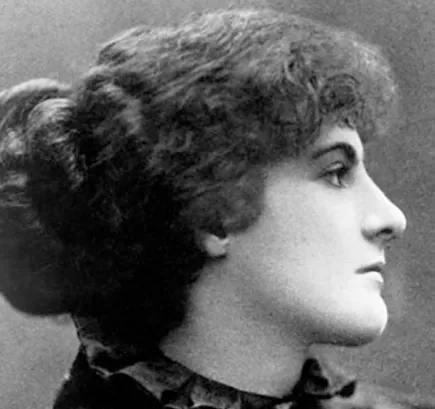
Olivia Shakespear
1863-1938
Novelist and Yeats's first lover, whom he met in May 1894; their affair began in 1896 and ended in 1897. They stayed close friends and correspondents until her death. Her daughter Dorothy married Ezra Pound, and her step-niece Georgie married Yeats.
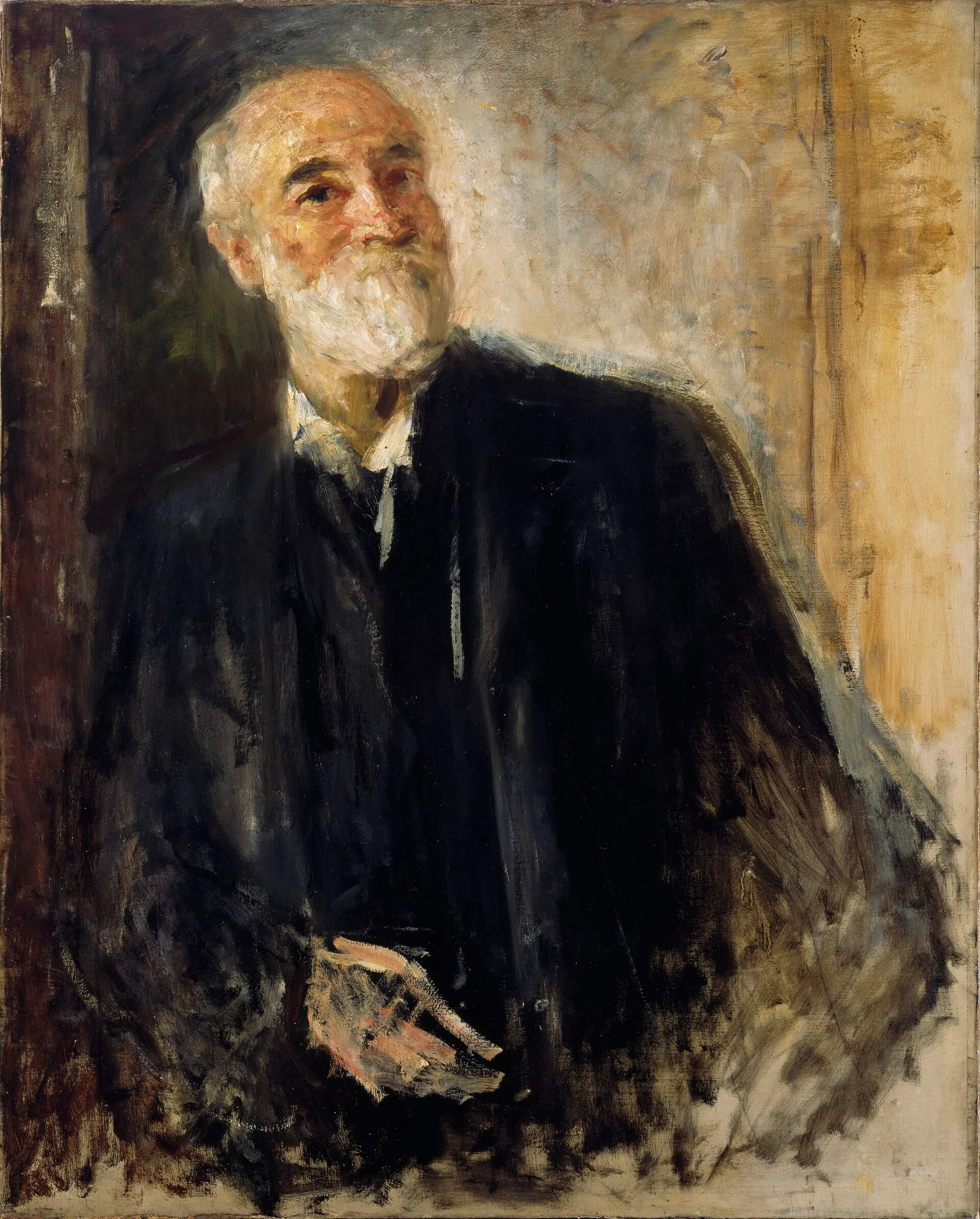
John Butler Yeats
1839-1922
The poet's father, a barrister who became a portrait painter. A brilliant talker and letter writer, he shaped his son's ideas about art and personality. He moved to New York in 1907 and died there.
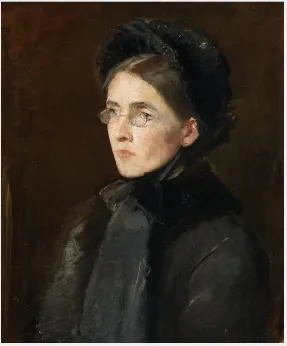
Susan Pollexfen Yeats
1841-1900
The poet's mother, from a Sligo milling and shipping family. Homesick in London, she told her children Sligo stories and folk tales. She was an invalid in her last years and died in January 1900.
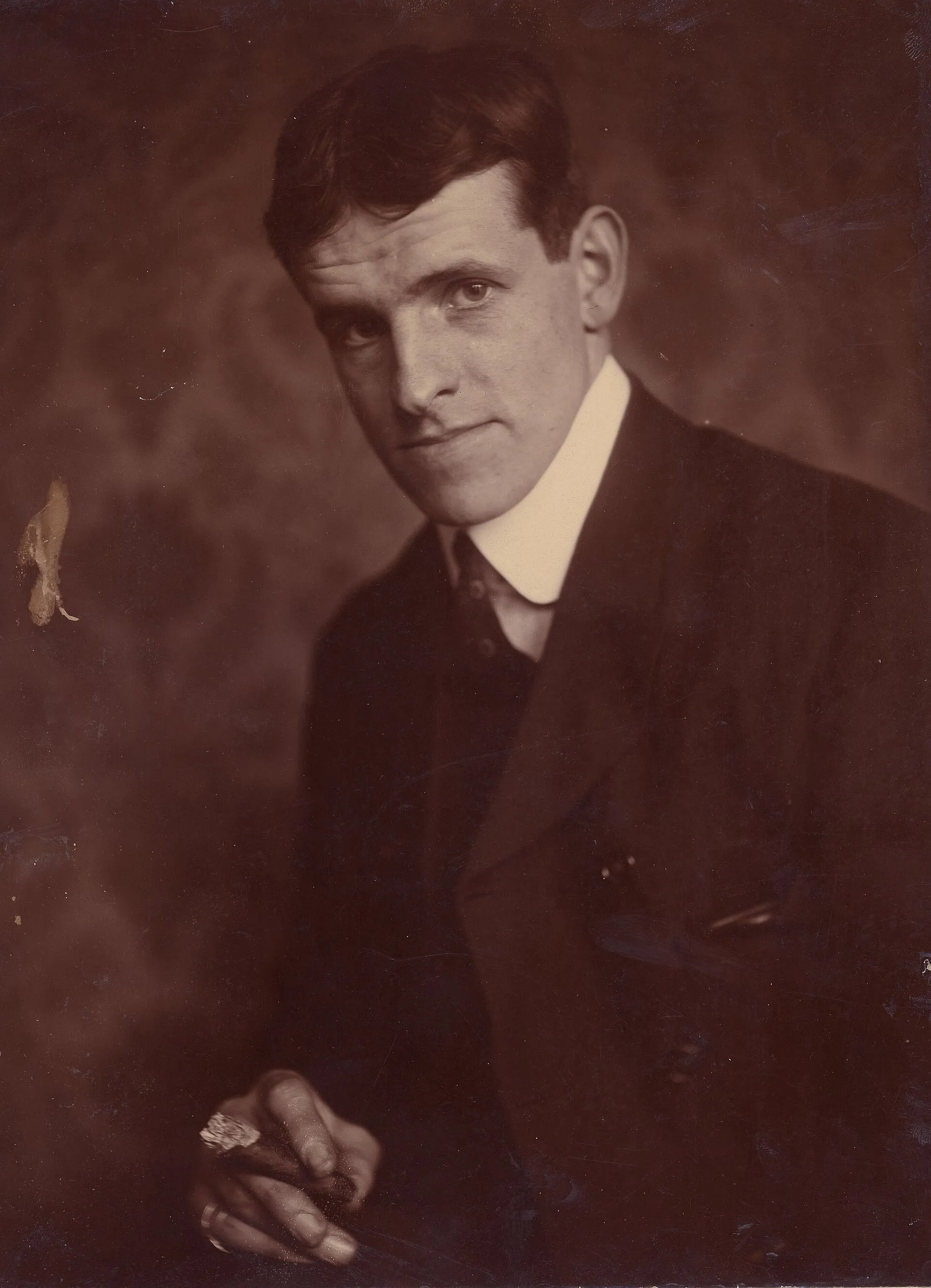
Jack B. Yeats
1871-1957
The poet's younger brother, raised largely in Sligo by their grandparents, who became one of Ireland's foremost painters. He illustrated Cuala broadsides.
Susan Mary 'Lily' Yeats
1866-1949
The poet's elder sister. Trained in embroidery with May Morris, she ran the embroidery work of Dun Emer and then Cuala Industries.
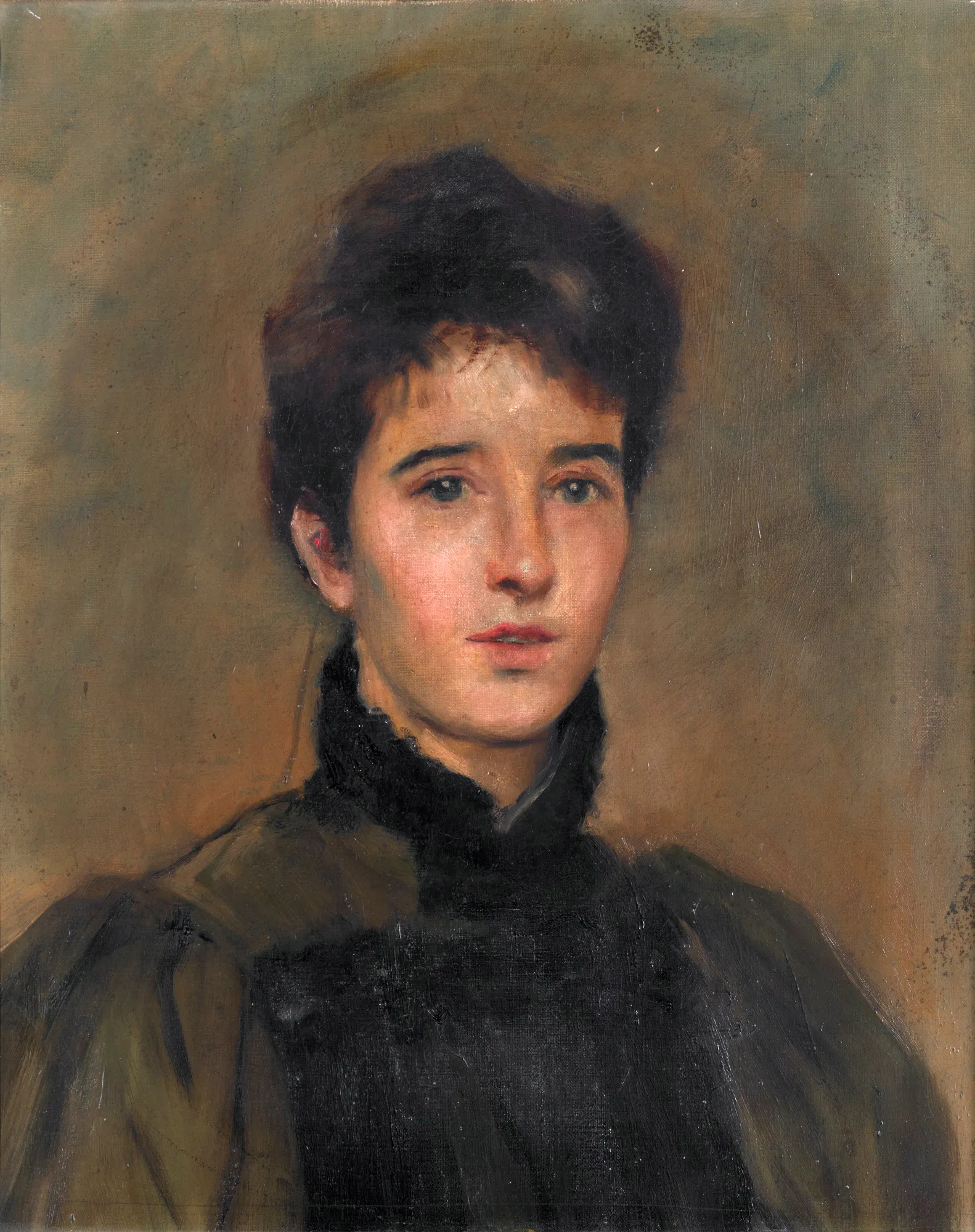
Elizabeth Corbet 'Lolly' Yeats
1868-1940
The poet's younger sister, who ran the Dun Emer Press from 1903 and the Cuala Press from 1908. She hand-printed first editions of many of his books.
Anne Yeats
1919-2001
The Yeatses' daughter, born in Dublin on 26 February 1919. She became a painter and stage designer and worked at the Abbey.
Michael Yeats
1921-2007
The Yeatses' son, born at Thame on 22 August 1921. He became a barrister, senator and MEP, and asked for official help to bring his father's remains home in 1948.
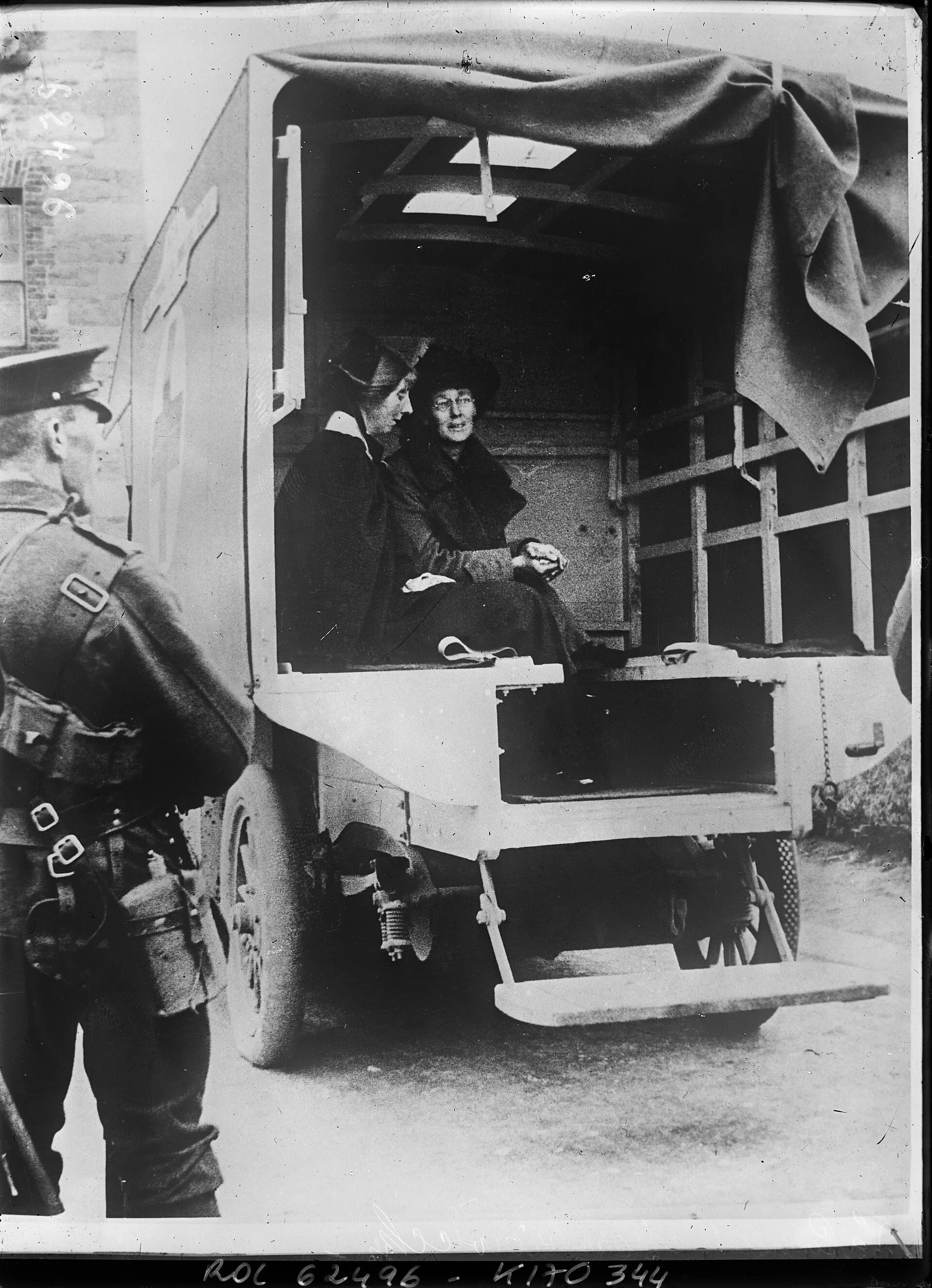
Constance Markievicz
1868-1927
Born Constance Gore-Booth at Lissadell, where Yeats met her and her sister in the 1890s. She fought in the 1916 Rising, was the first woman elected to Westminster and a minister in the first Dáil. Yeats wrote of her with admiration and regret for her politics.
In Memory of Eva Gore-Booth and Con Markiewicz, On a Political Prisoner, Easter, 1916
Eva Gore-Booth
1870-1926
Poet, suffragist and labour organiser in Manchester, sister of Constance Markievicz. Yeats encouraged her early verse during his 1894 visit to Lissadell.
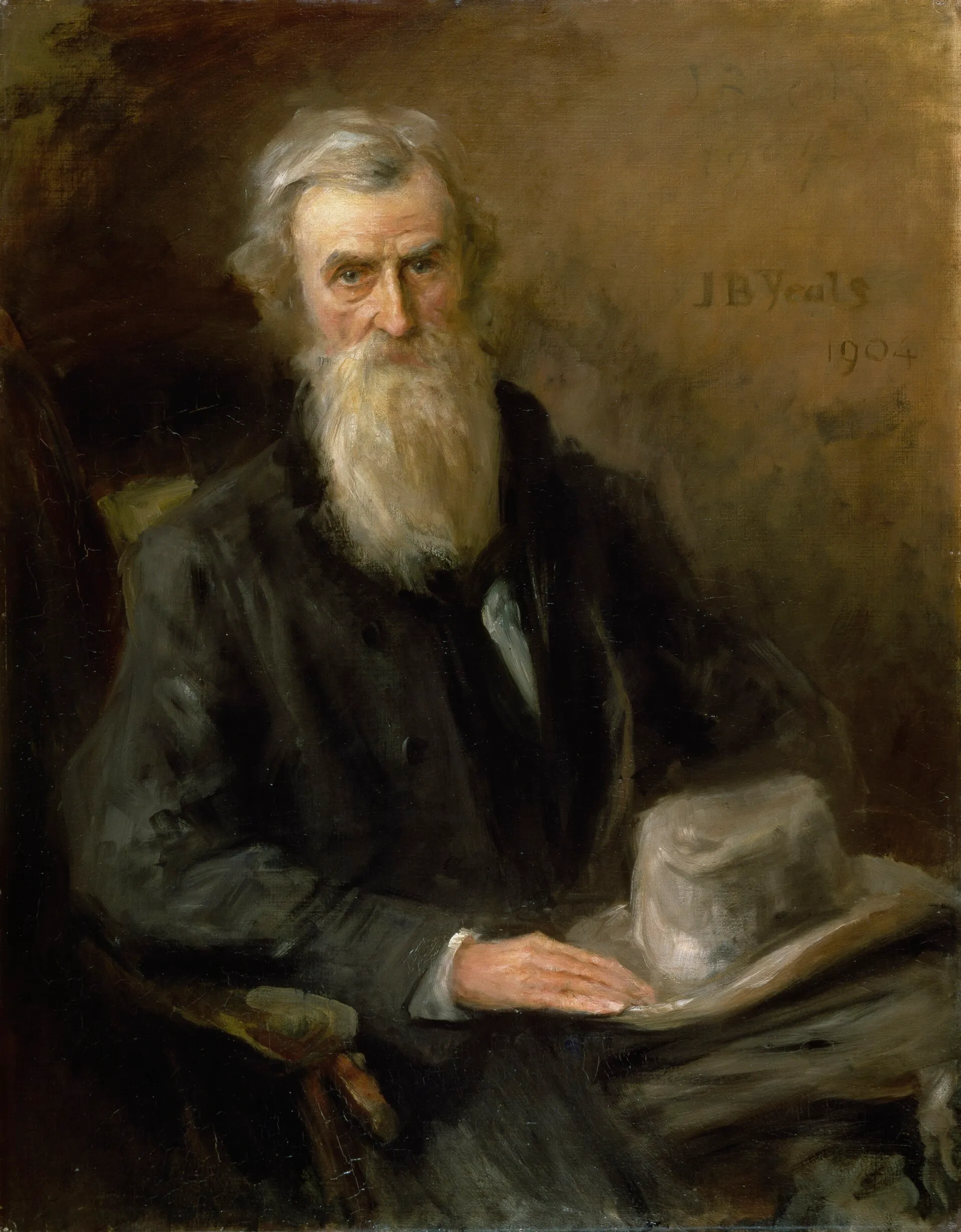
John O'Leary
1830-1907
Fenian leader who returned from exile in 1885 and became Yeats's political mentor, turning him towards Irish subjects. Maud Gonne first called on the Yeatses with a letter of introduction from him.
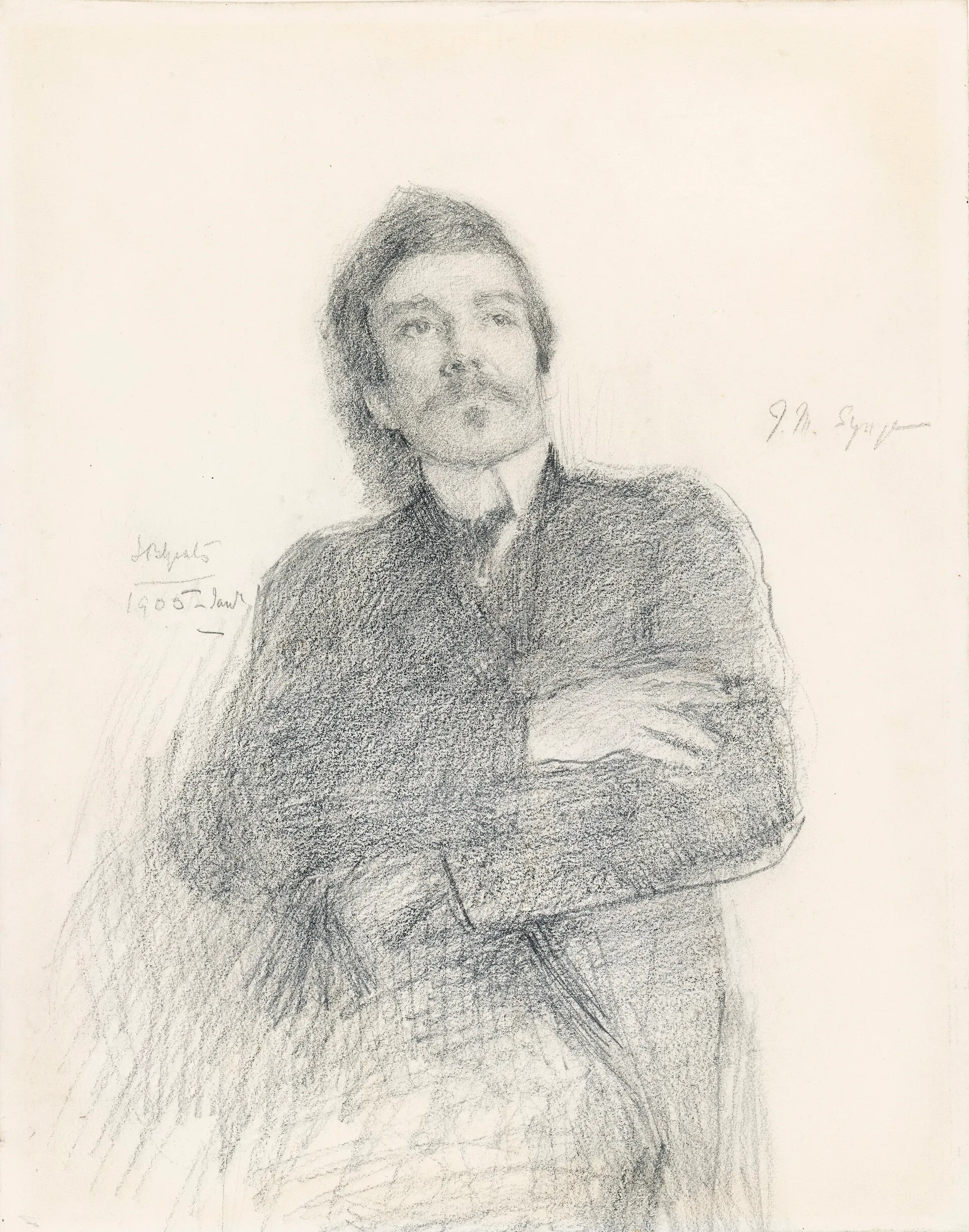
J. M. Synge
1871-1909
Playwright whom Yeats met in Paris in 1896 and, by his own account, sent to the Aran Islands. A co-director of the Abbey, his Playboy of the Western World caused the riots of 1907. Yeats defended him fiercely and mourned him as a man of genius.
On those that hated 'The Playboy of the Western World', 1907, In Memory of Major Robert Gregory, The Municipal Gallery Revisited, Coole Park, 1929
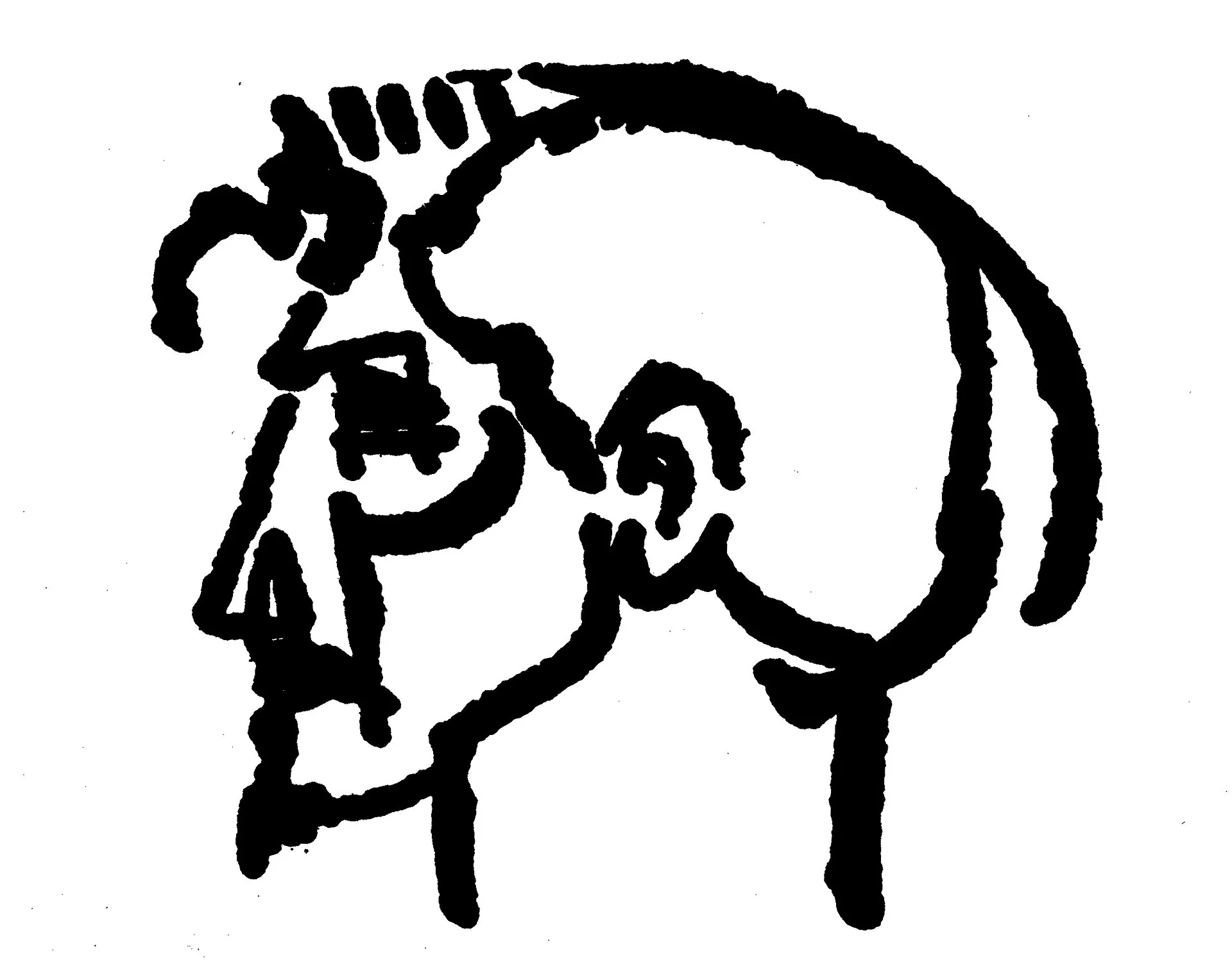
Ezra Pound
1885-1972
American poet who came to London in 1908 and became Yeats's secretary, critic and friend, spending three winters with him at Stone Cottage. He introduced Yeats to the Noh and was a witness at his wedding. Later they were neighbours at Rapallo.
Major Robert Gregory
1881-1918
Lady Gregory's only son, a painter, stage designer, sportsman and RFC pilot killed over Italy on 23 January 1918. Yeats's elegies made him an image of the complete man.
In Memory of Major Robert Gregory, An Irish Airman foresees his Death, Shepherd and Goatherd
Sir Hugh Lane
1875-1915
Art dealer and collector, Lady Gregory's nephew, who offered his modern pictures to Dublin if it built a gallery. Dublin's refusal in 1913 provoked some of Yeats's angriest poems. Lane drowned on the Lusitania.
To a Wealthy Man who promised a Second Subscription to the Dublin Municipal Gallery if it were proved the People wanted Pictures, September 1913, To a Shade, Coole Park, 1929, The Municipal Gallery Revisited
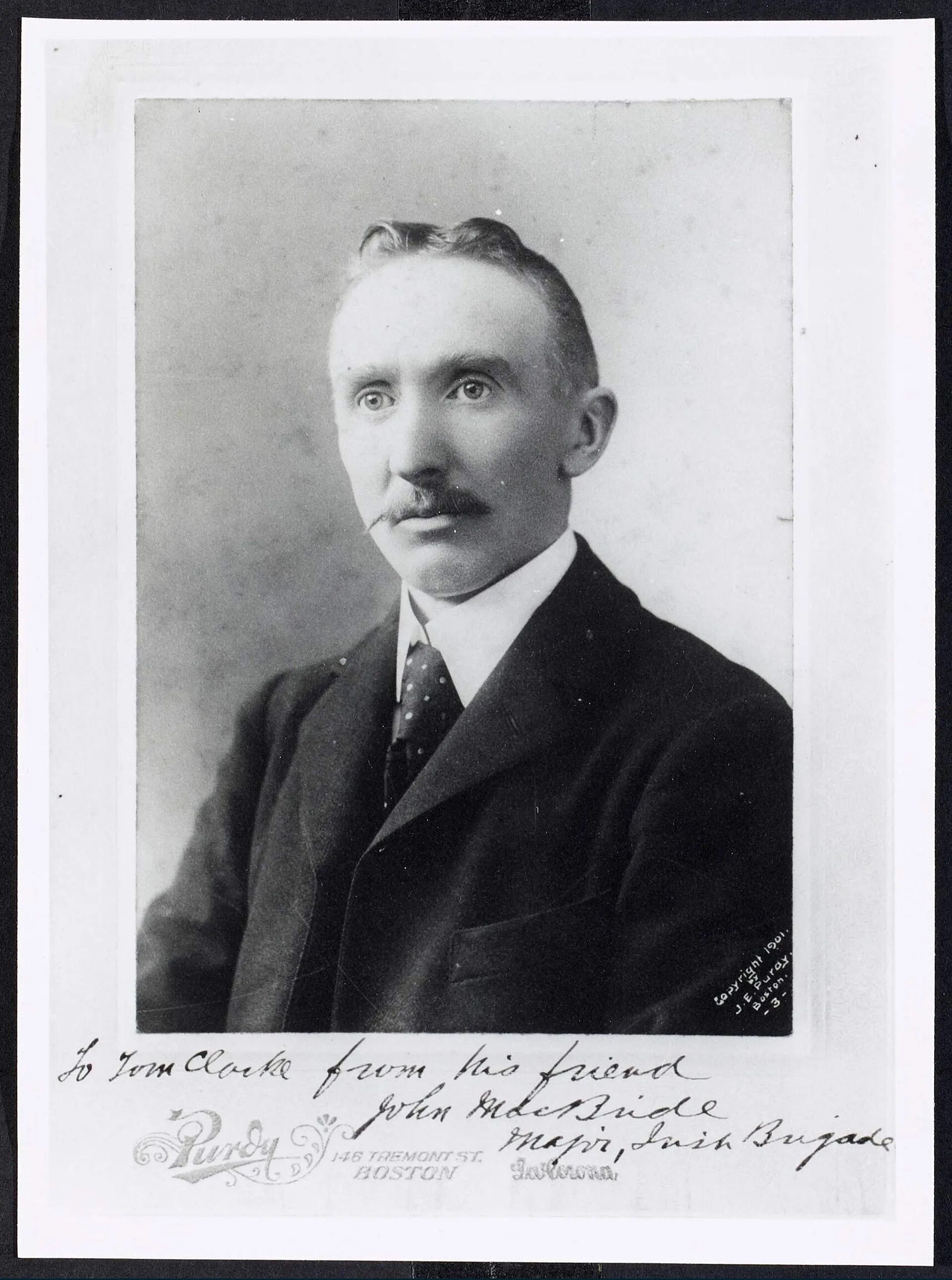
John MacBride
1868-1916
Boer War veteran who married Maud Gonne in 1903; the marriage broke down within two years. He was executed after the Easter Rising, and Yeats included him in 'Easter, 1916' as 'a drunken, vainglorious lout' transformed.
Dorothy Wellesley
1889-1956
Poet whom Yeats met in 1935 and included generously in The Oxford Book of Modern Verse. Her house, Penns in the Rocks, was a refuge in his last years, and they edited the 1937 Broadsides together.
Helena Blavatsky
1831-1891
Founder of the Theosophical Society. Yeats called on her in London in 1887 and joined her Esoteric Section, from which he was asked to resign in 1890.
Samuel Liddell MacGregor Mathers
1854-1918
Occultist and a founder of the Hermetic Order of the Golden Dawn, which Yeats joined in 1890. They fell out in the order's schism of 1900.
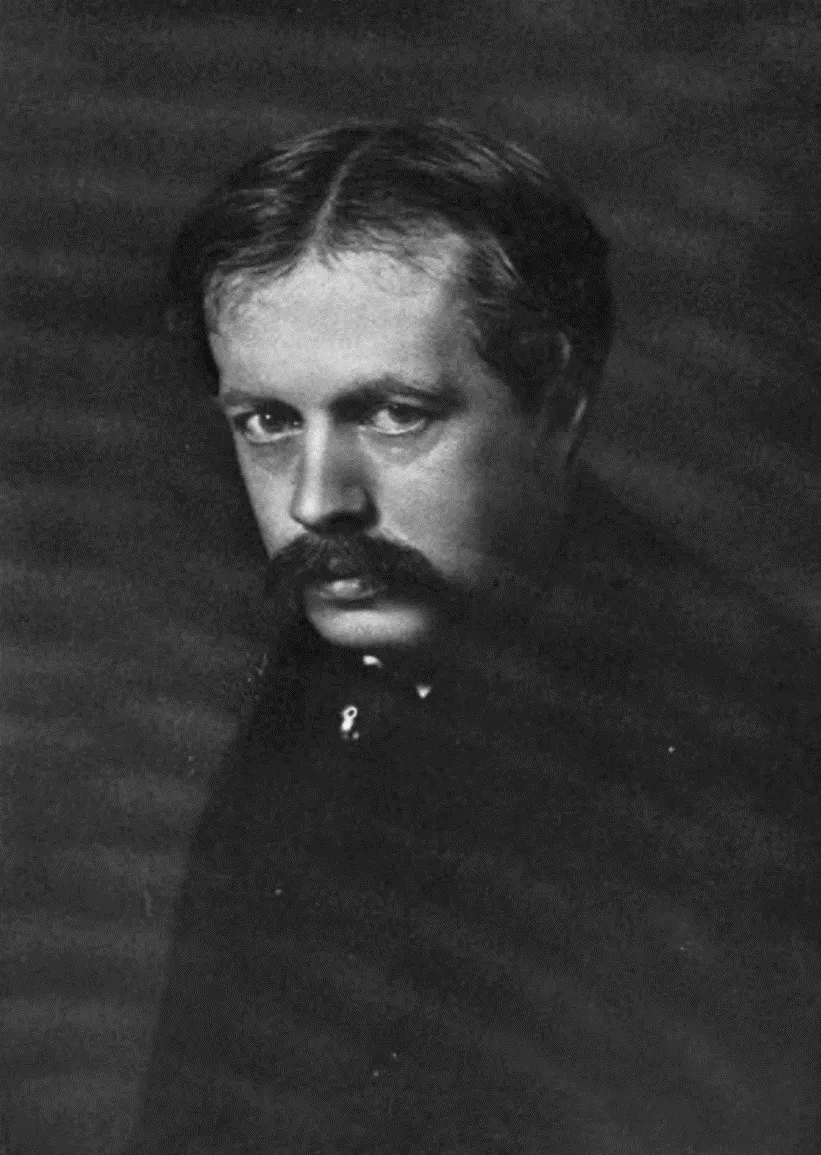
Arthur Symons
1865-1945
Poet and critic of the Rhymers' Club who shared rooms with Yeats in 1895, travelled with him in the west of Ireland in 1896, and introduced him to French Symbolism.
Lionel Johnson
1867-1902
Rhymers' Club poet and Catholic convert who introduced Yeats to his cousin Olivia Shakespear. Yeats counted him among the 'tragic generation' destroyed by drink.
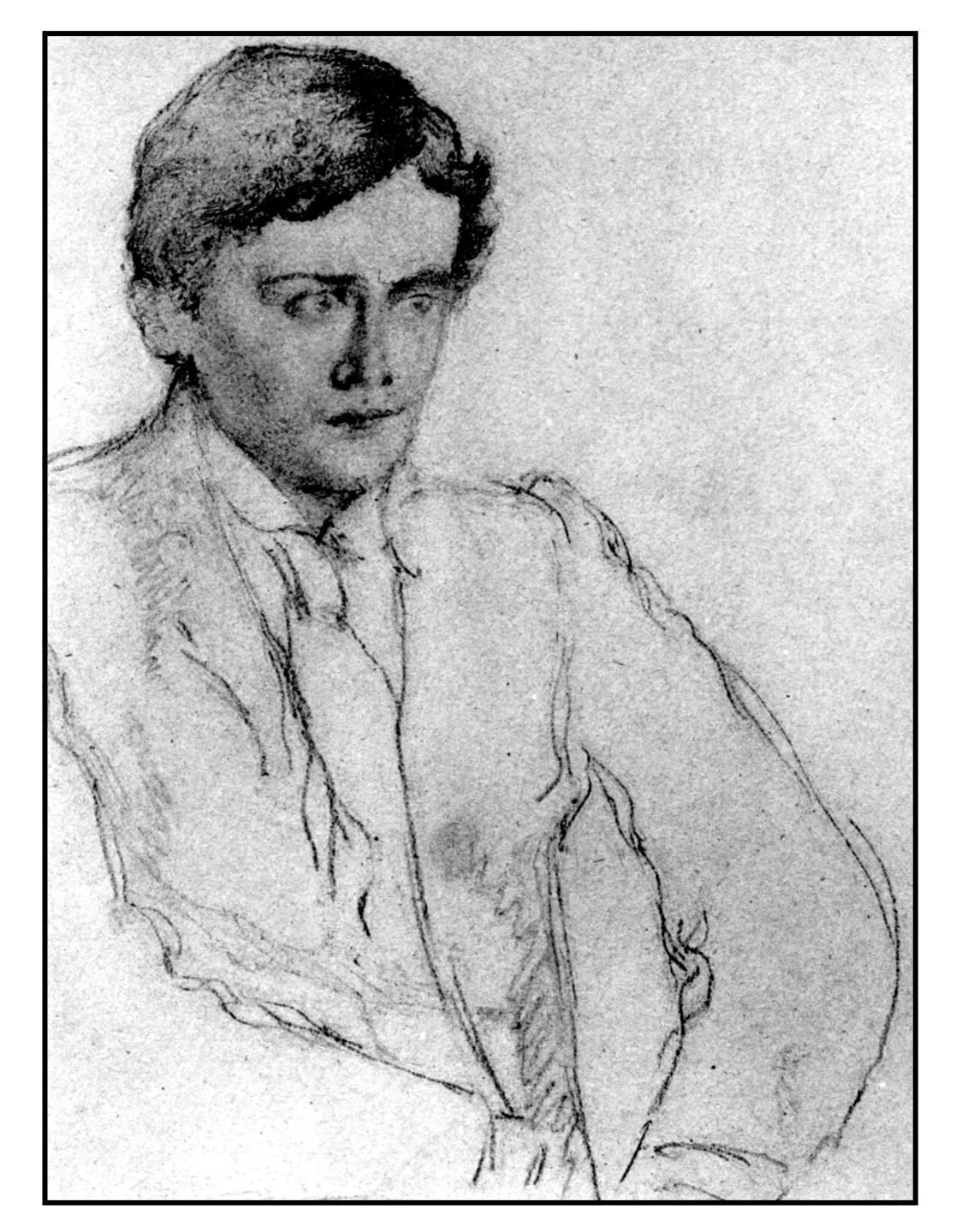
Ernest Dowson
1867-1900
Rhymers' Club poet of 'Cynara', another of the 'tragic generation' Yeats described in his autobiographies.
Annie Horniman
1860-1937
Tea heiress and Golden Dawn member who financed the 1894 London season that staged The Land of Heart's Desire and bought and equipped the Abbey Theatre. She broke with the theatre by 1910.
Florence Farr
1860-1917
Actress, Golden Dawn adept and a neighbour in Bedford Park. She managed the 1894 season at the Avenue Theatre and performed Yeats's verse to the psaltery.
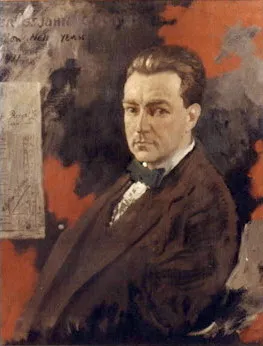
Oliver St John Gogarty
1878-1957
Surgeon, wit and poet, a fellow senator and close friend. Yeats gave him generous space in The Oxford Book of Modern Verse.
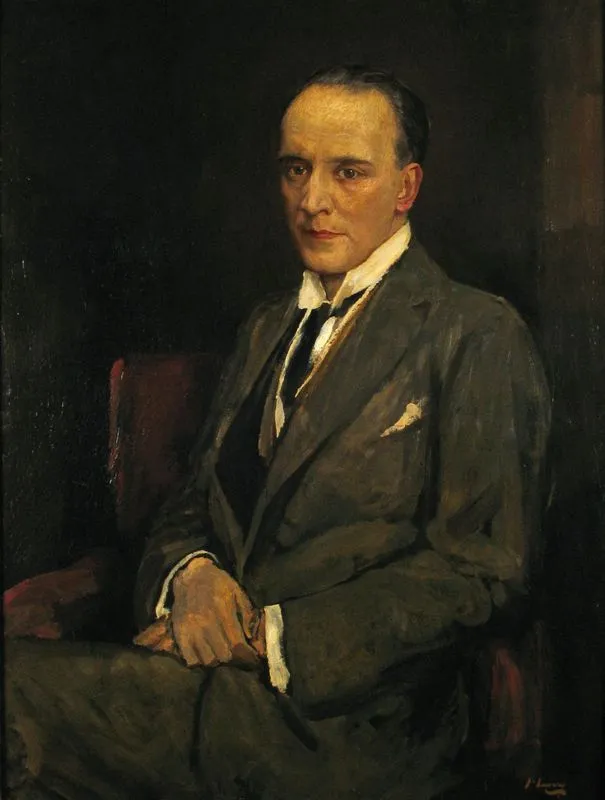
Kevin O'Higgins
1892-1927
Free State minister whom Yeats admired as the strong man of the new state. His assassination on 10 July 1927 moved Yeats to write 'Death'.
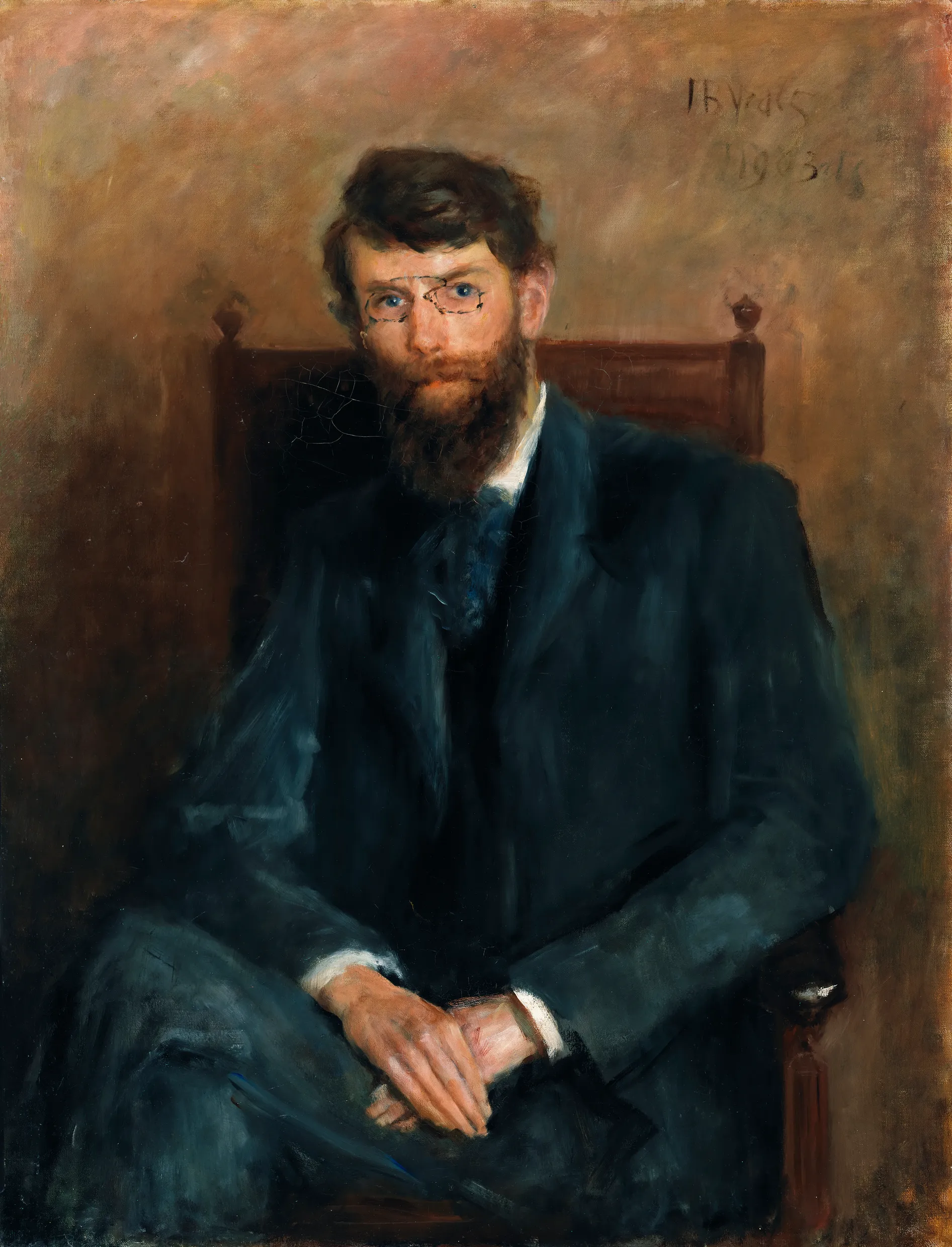
George Russell (AE)
1867-1935
Poet, painter and mystic whom Yeats met at the Metropolitan School of Art. They were early companions in Dublin occultism (murals at 3 Ely Place are attributed to them both) and later quarrelled over the running of the theatre.
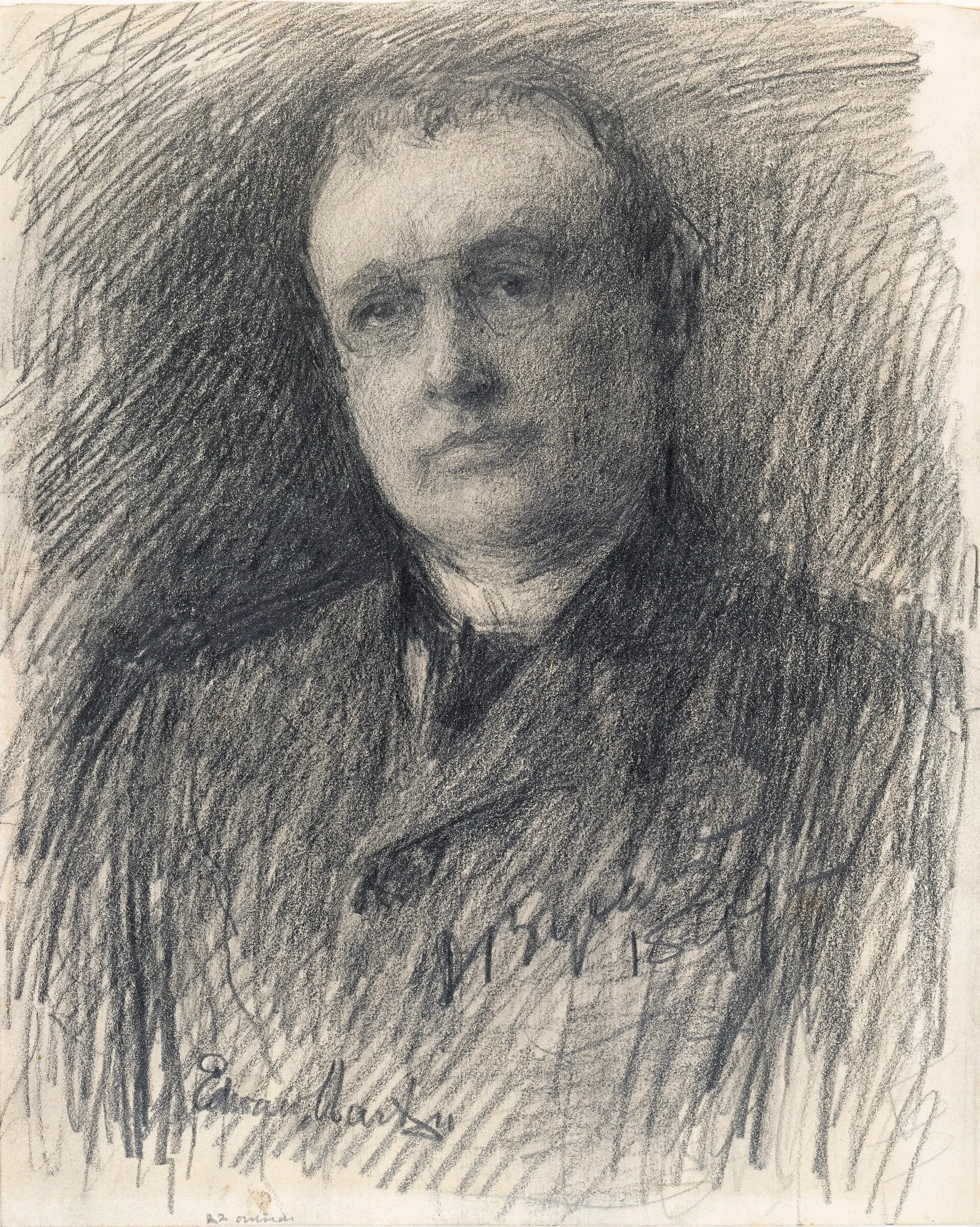
Edward Martyn
1859-1923
Galway landowner and playwright, a co-founder of the Irish Literary Theatre, at whose house, Tulira Castle, Yeats met Lady Gregory.
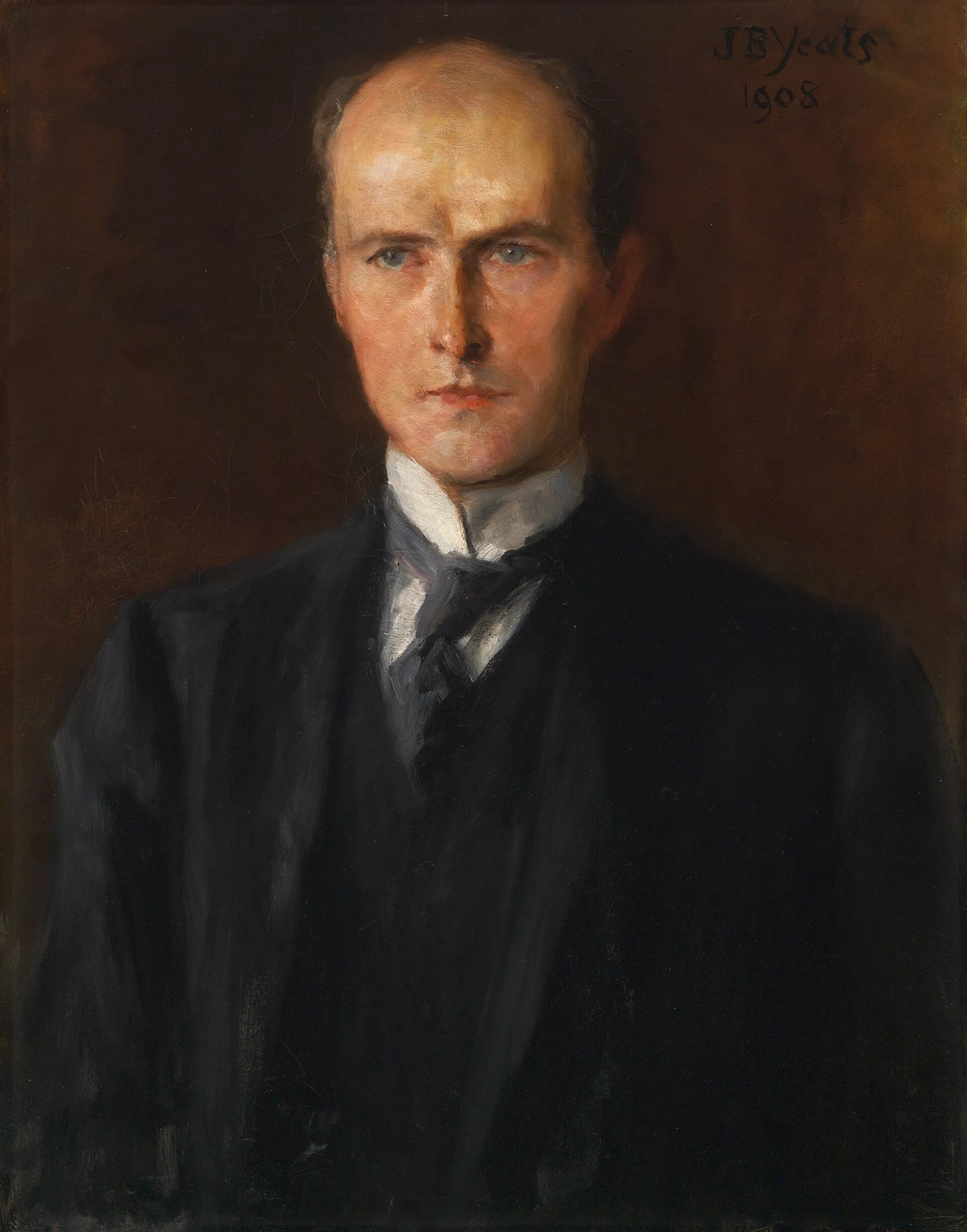
John Quinn
1870-1924
New York lawyer and collector who arranged Yeats's American lecture tours, bought his manuscripts and looked after his father in New York.
Mabel Beardsley
1871-1916
Actress and sister of Aubrey Beardsley. Yeats visited her as she was dying of cancer and wrote a sequence of poems about her courage.
Margot Ruddock
1907-1951
Actress and poet with whom Yeats had an intense friendship in 1934-36. Her breakdown in Majorca in 1936 lies behind two late poems.
Althea Gyles
1867-1949
Irish artist of the Golden Dawn circle who designed the symbolic covers of Poems, The Secret Rose and The Wind Among the Reeds.
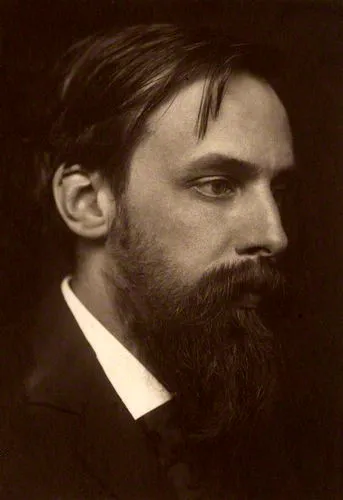
Thomas Sturge Moore
1870-1944
Poet and wood engraver who designed Yeats's later covers, including the gold tower of The Tower (1928) and The Winding Stair, and corresponded with him on philosophy.
Edmund Dulac
1882-1953
Illustrator who designed masks, costumes and music for At the Hawk's Well (1916) and the portrait woodcut of 'Giraldus' in A Vision (1925).
Rabindranath Tagore
1861-1941
Bengali poet whose Gitanjali Yeats introduced to English readers in 1912, the year before Tagore won the Nobel Prize.