On a Political Prisoner
Listen
Text: Poetry, by W. B. Yeats (Standard Ebooks, 2024), from the collected editions of 1908 to 1928. Public domain.
In brief
SummaryA grey gull visits an imprisoned rebel, recalling the wild girl she was.
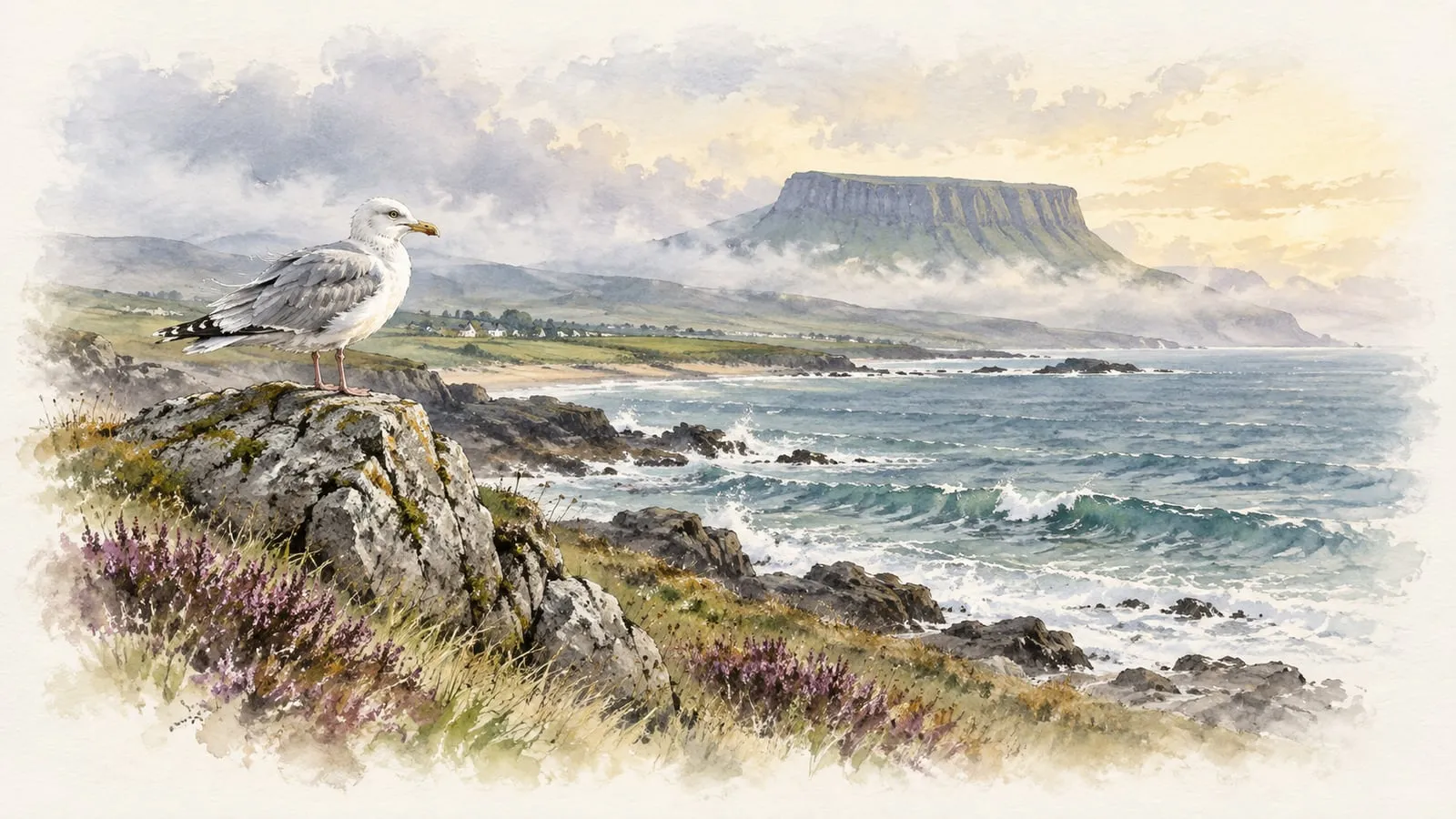
A woman who never had much patience has learnt so much in prison that a grey gull flies down to her cell and eats from her fingers. The poet wonders whether touching its wing reminded her of the years before politics made her mind "a bitter, an abstract thing", when she was not yet one of the "Blind and leader of the blind". He remembers seeing her long ago, riding to the hunt under Ben Bulben, as clean and sweet as a sea-bird. The last stanza follows that bird: newly flown from its nest, perched on a high rock, gazing at the clouds while the sea cries out beneath it.
Lines to remember
Became a bitter, an abstract thing,
Blind and leader of the blind
Like any rock-bred, sea-borne bird:
Line by line
Lines 1 to 6The gull in the cell
"She that but little patience knew" now has so much that "A grey gull lost its fear" and came down to her cell, letting her touch it and taking food from her fingers. Prison has given her the stillness her restless life lacked.
Lines 7 to 12A bitter, abstract mind
Did touching "that lone wing" make her remember the years before her mind "Became a bitter, an abstract thing"? The poet's judgement is harsh: she became "Blind and leader of the blind / Drinking the foul ditch where they lie", echoing the Gospel image of the blind leading the blind.
Lines 13 to 18Riding under Ben Bulben
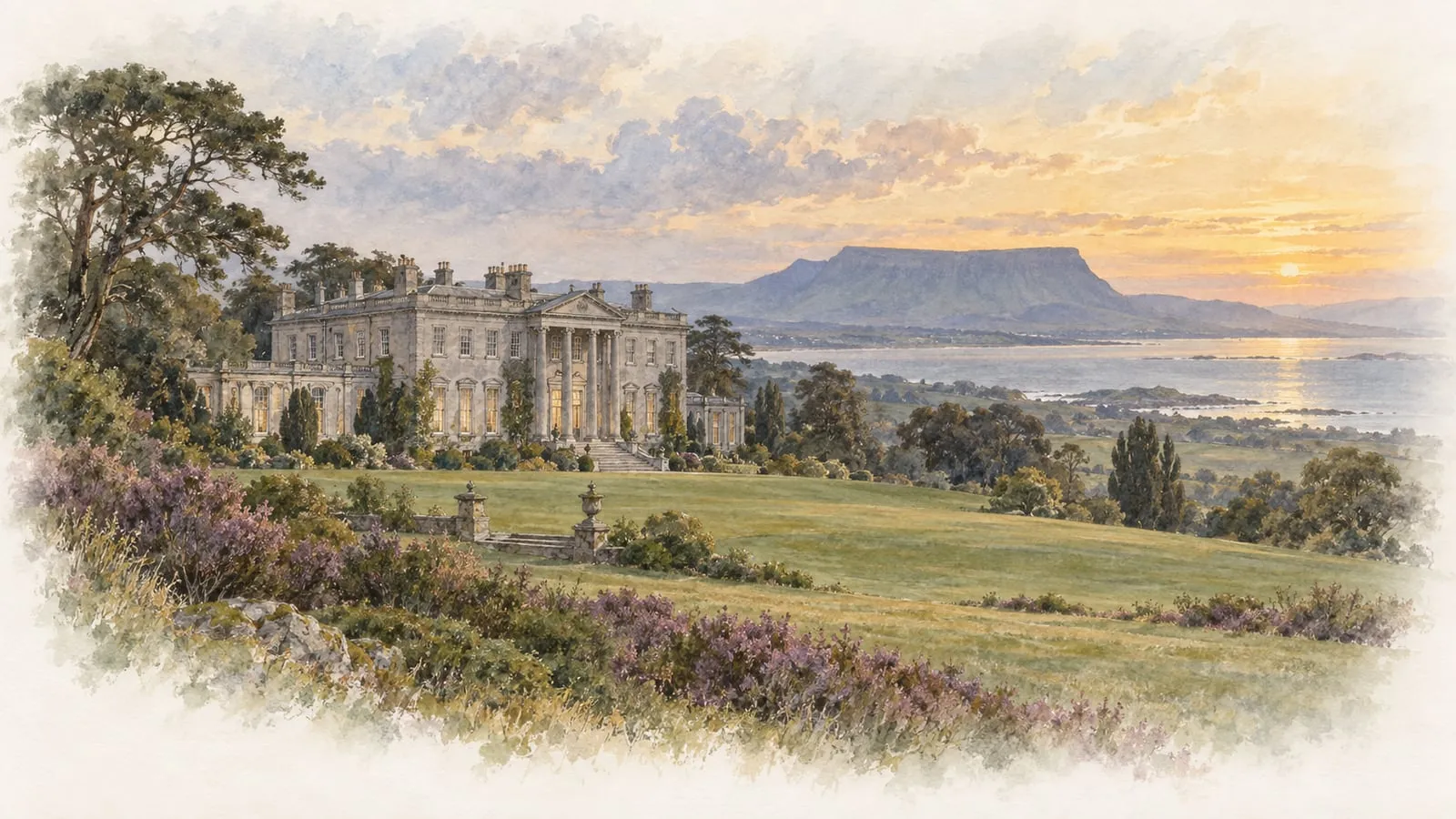
He remembers her "long ago" riding "Under Ben Bulben to the meet", full of "youth's lonely wildness". Then she seemed "clean and sweet / Like any rock-bred, sea-borne bird". The words "clean and sweet" answer the "foul ditch" of the stanza before.
Lines 19 to 24The sea-bird
The image of the bird takes over. Fresh from the nest, it stands "Upon some lofty rock to stare / Upon the cloudy canopy", while under its "storm-beaten breast" the "hollows of the sea" cry out. The poem ends in wild freedom, far from the cell.
Themes
Politics and the mind
Yeats believed that political hatred could narrow a mind. Here her thought has become "some popular enmity", "bitter" and "abstract", and she is "Blind and leader of the blind". The poem does not argue with her politics; it grieves for what they did to her.
Youth and beauty
The third stanza recalls her young, riding to the meet, with "all youth's lonely wildness" stirring in her. The memory of beauty measures what has been lost. The same contrast between the young horsewoman and the political woman appears in "Easter, 1916".
Freedom
The gull that comes to her prison links cell and sky. The final stanza gives the bird the freedom she has lost: "balanced on the air", staring from a "lofty rock", above the crying sea. The poem ends with the free creature she once resembled, not with the prisoner.
Context
The poem was collected in Michael Robartes and the Dancer, issued by the Cuala Press in February 1921. The prisoner is Constance Markievicz, born Constance Gore-Booth at Lissadell House in County Sligo, where Yeats met her and her sister Eva in the 1890s.
She fought in the Easter Rising of 1916 and was imprisoned more than once in the years that followed. Yeats admired her and regretted her politics, and this poem, like "Easter, 1916" and the later "In Memory of Eva Gore-Booth and Con Markiewicz", sets the young horsewoman of Sligo against the political prisoner.
Form
Four six-line stanzas of four-beat lines, rhymed abacbc ("knew", "much", "flew", "alit", "touch", "bit"). The third stanza runs straight on into the fourth with a colon, so that the memory of her becomes the image of the bird without a break.