The poems of W. B. Yeats
Every poem free to read, with plain-English notes and the places behind them.
Most read
Six poems readers come back to again and again.
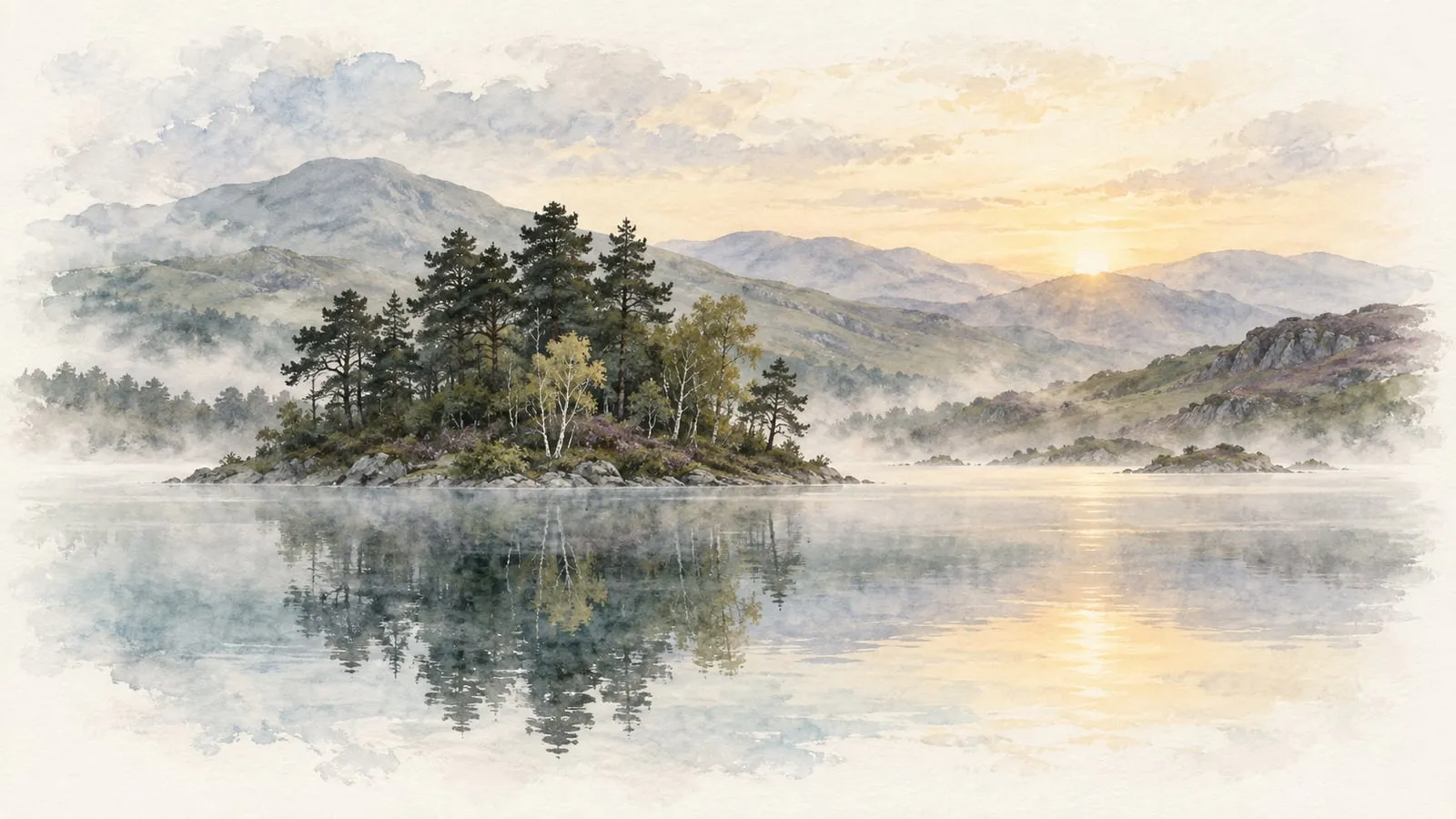 The Lake Isle of Innisfree1892A city-dweller dreams of a simple, peaceful life on a lake island.
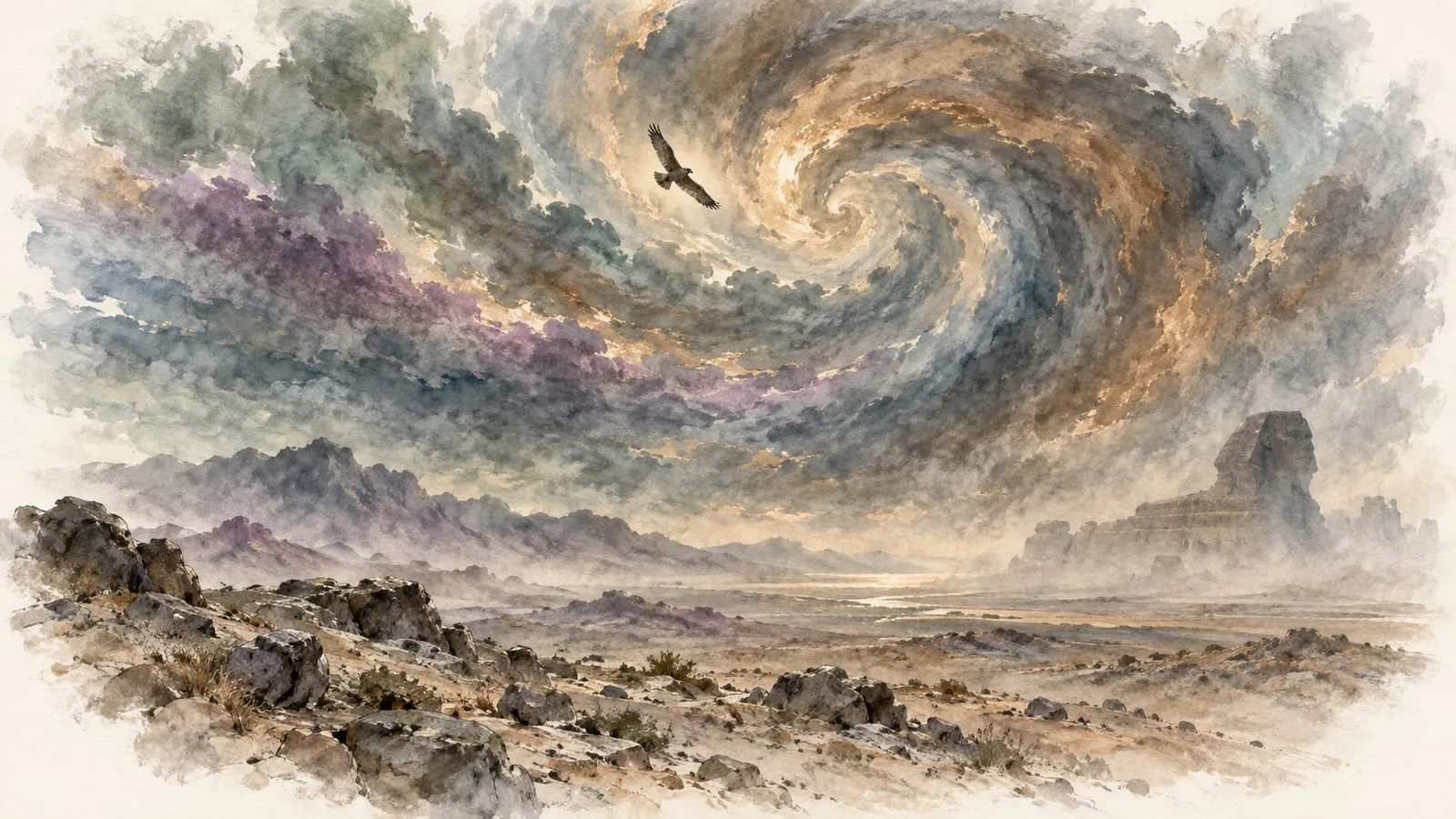 The Second Coming1921A vision of the world collapsing and a monstrous new age arriving.
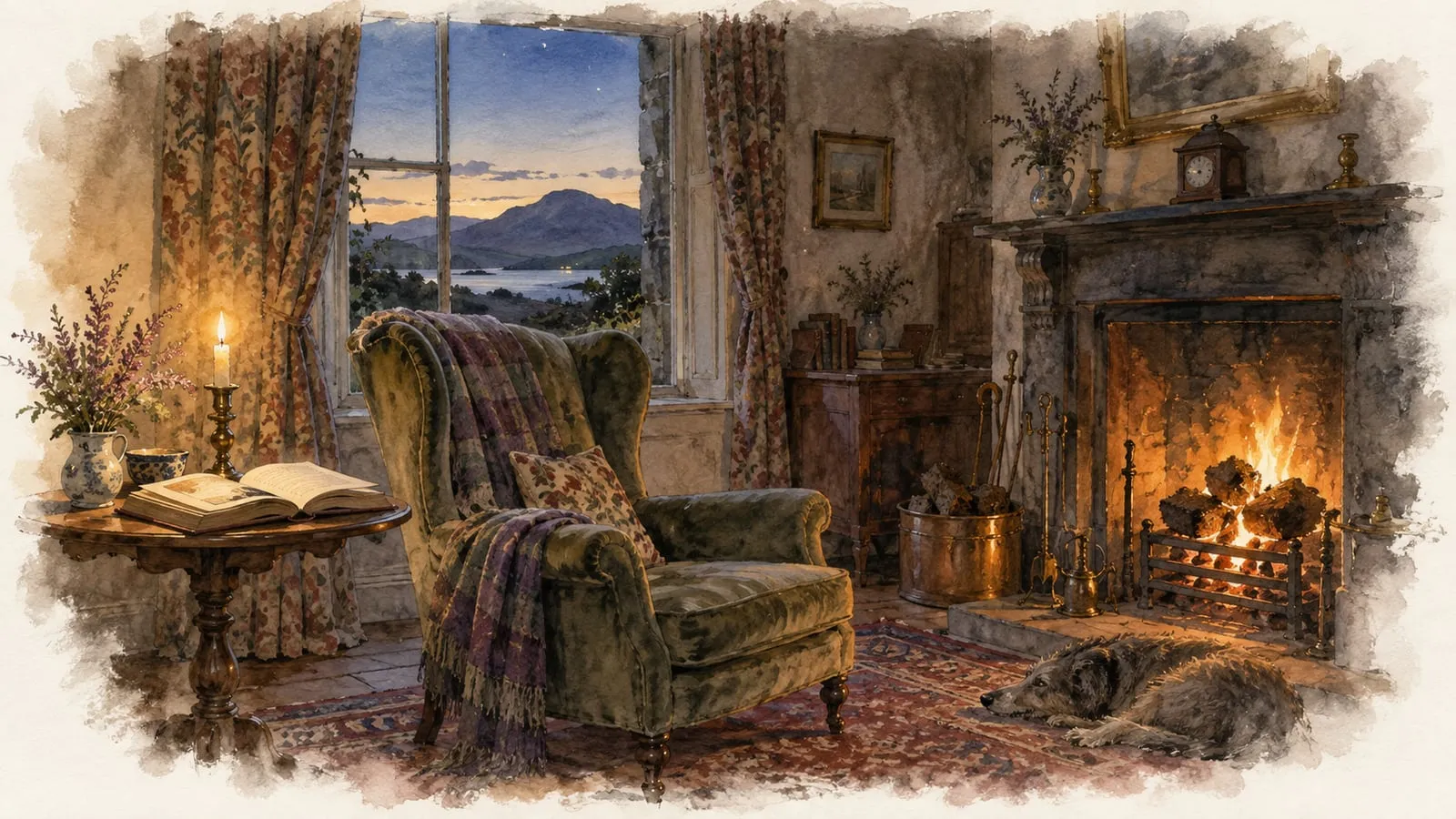 When You are Old1892A young lover asks a woman to picture her old age and remember him.
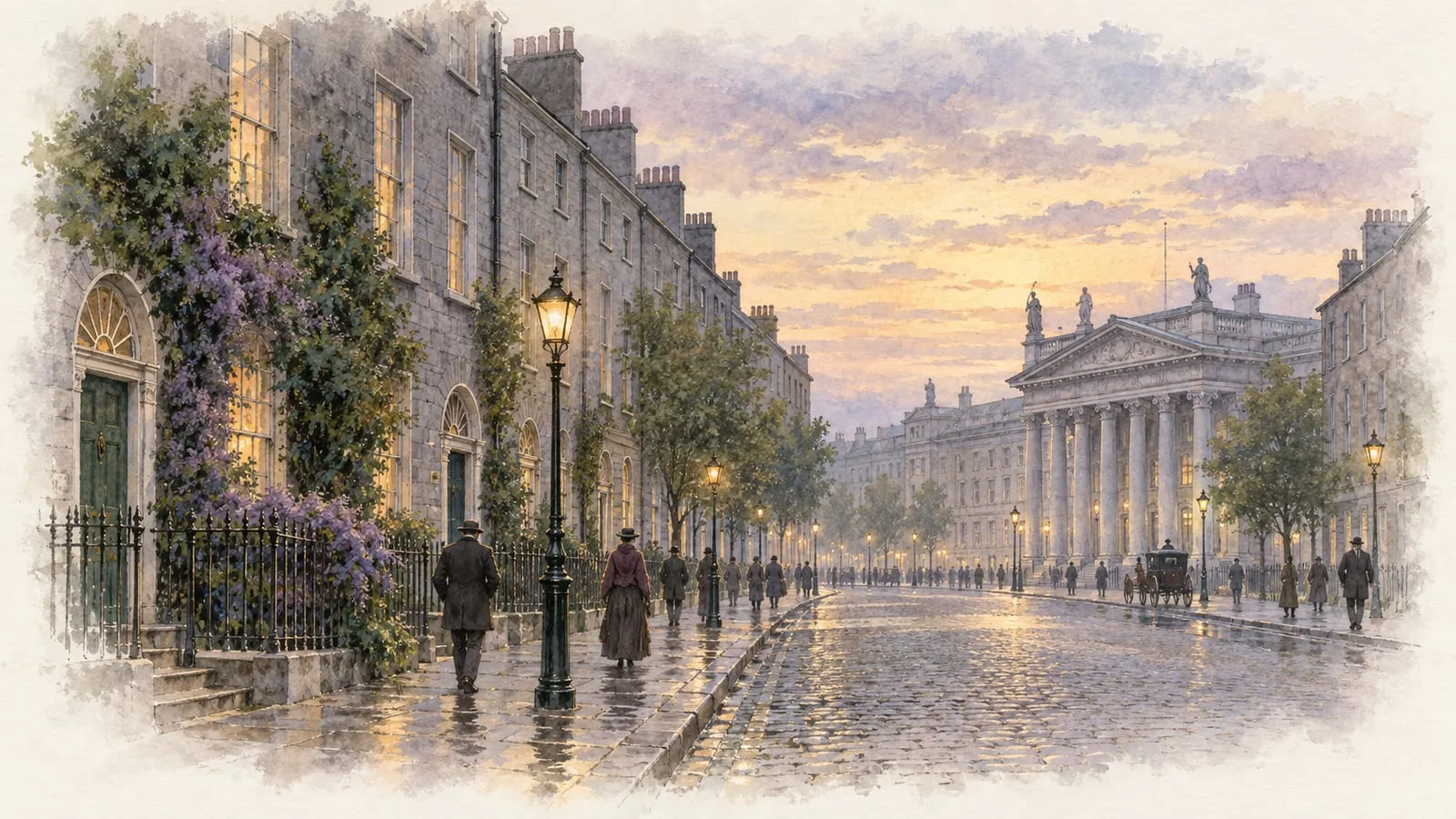 Easter, 19161921Yeats struggles to judge the Easter Rising and the leaders executed for it.
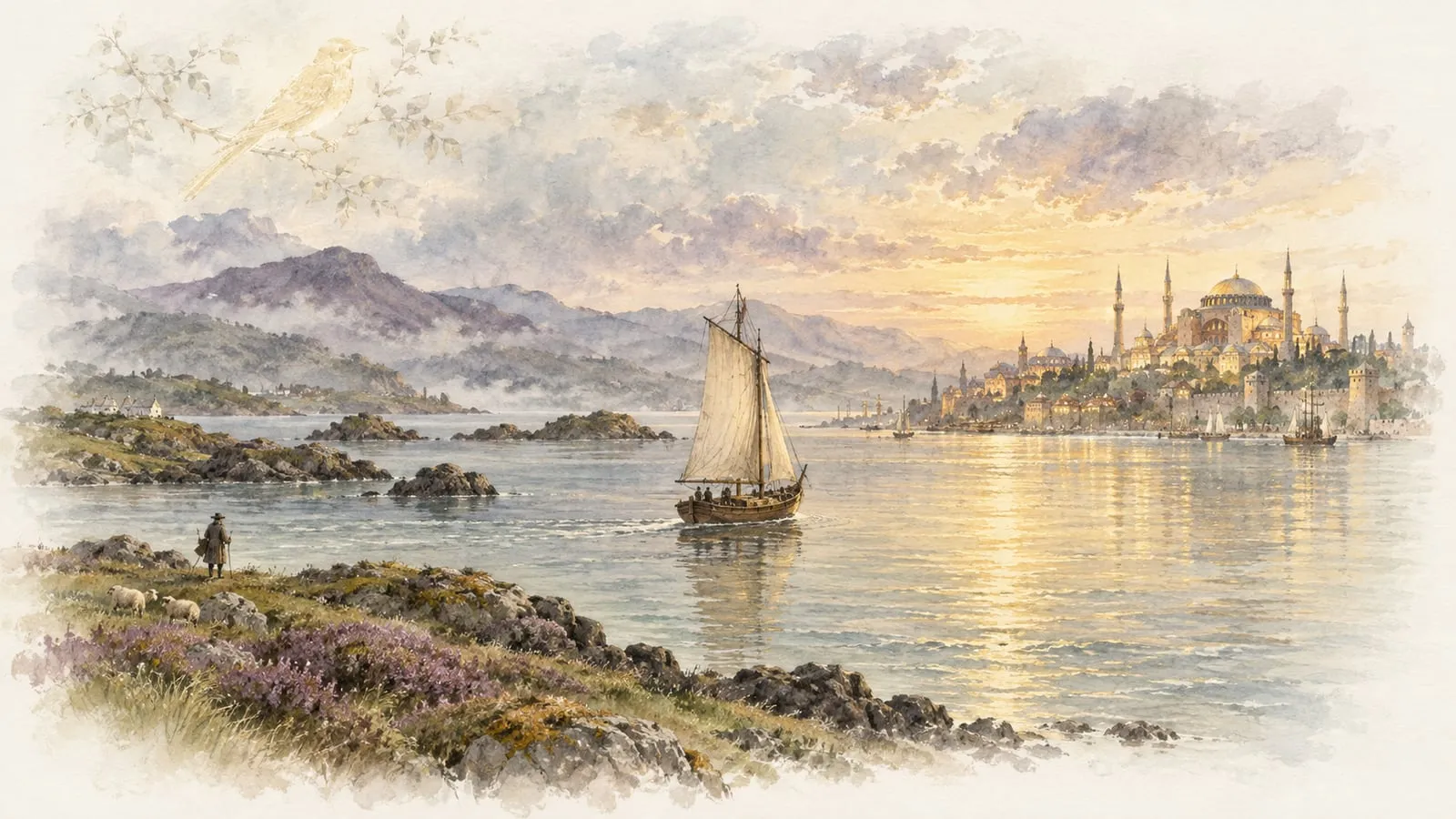 Sailing to Byzantium1927An old man leaves the world of the body for the eternity of art.
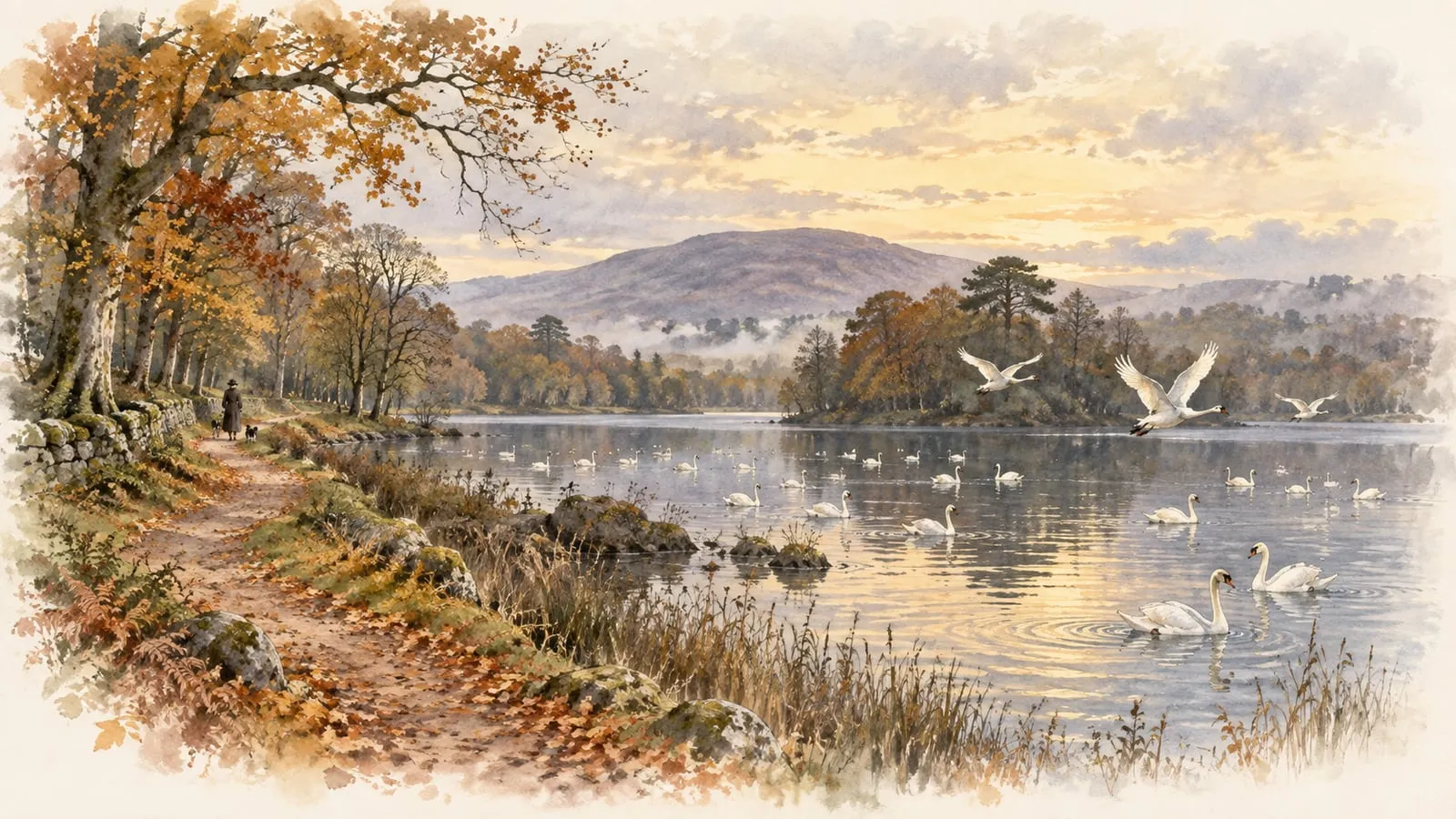 The Wild Swans at Coole1917An ageing poet counts the swans at Coole and feels time passing.
Studying Yeats for the Leaving Cert?
Clear notes, themes and key quotations for every prescribed poem.
- The Lake Isle of Innisfree
- September 1913
- The Wild Swans at Coole
- An Irish Airman foresees his Death
- Easter, 1916
- The Second Coming
- Sailing to Byzantium
- Meditations in Time of Civil War
- In Memory of Eva Gore-Booth and Con Markiewicz
- Swift's Epitaph
- An Acre of Grass
- Politics
- Under Ben Bulben
Walk in his footsteps
The places that shaped his imagination.
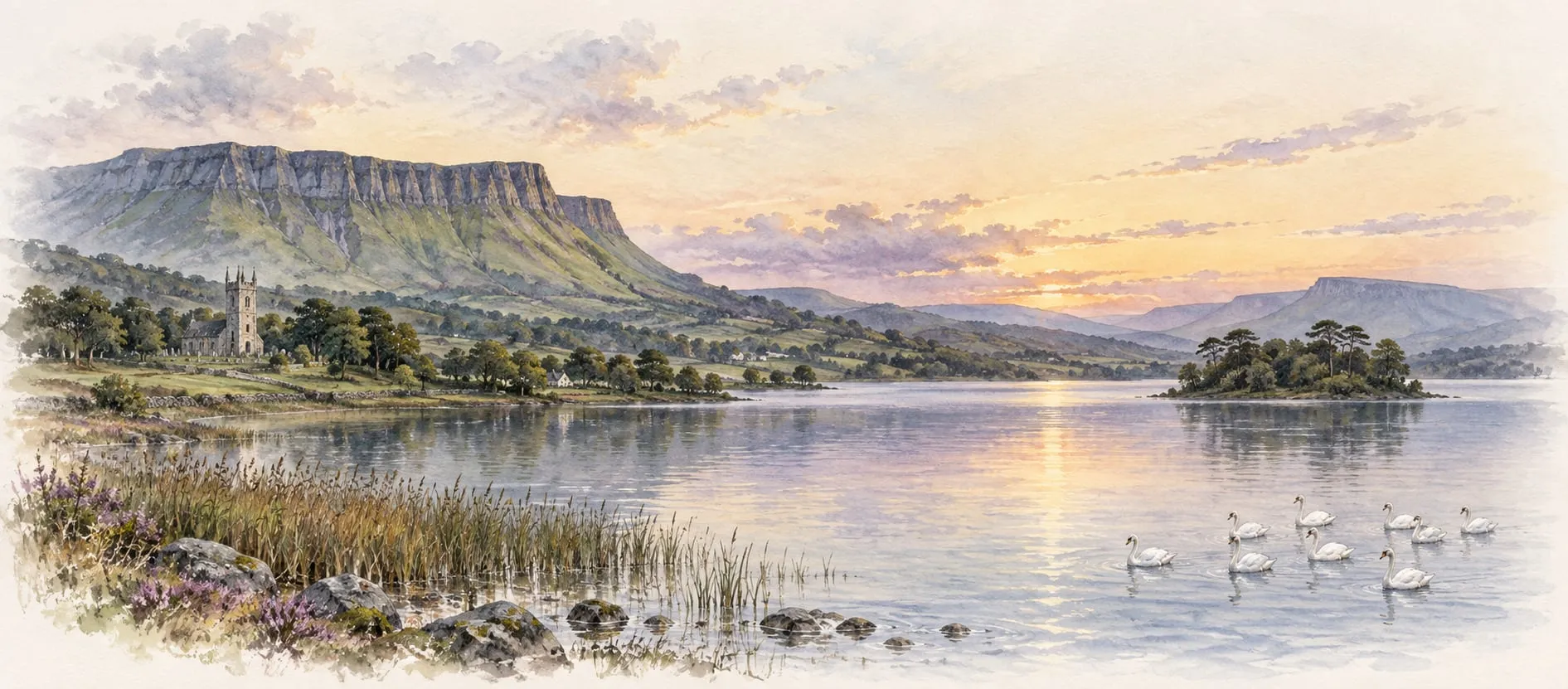
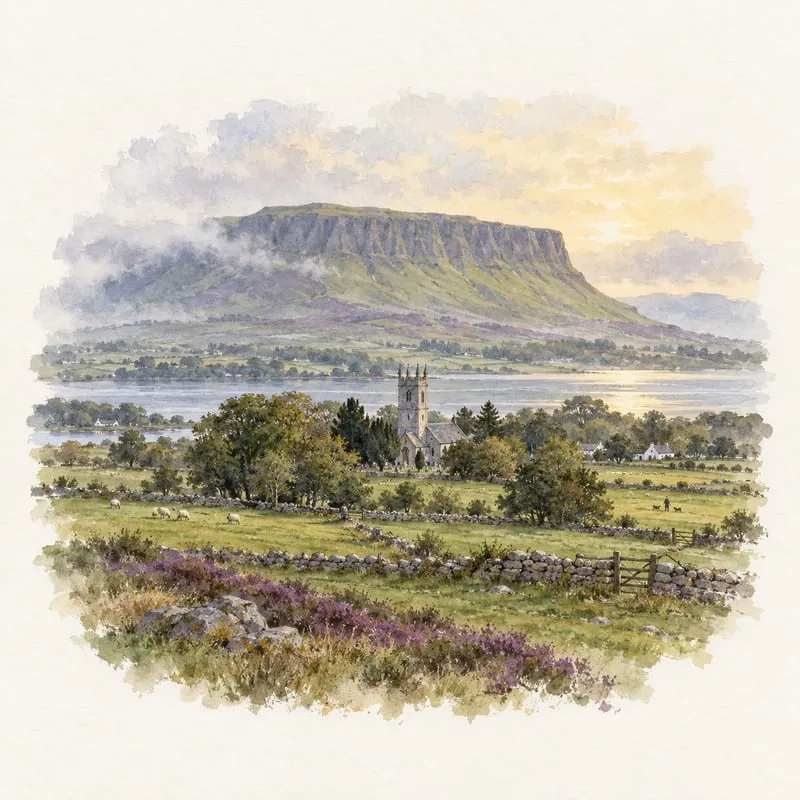 Sligo1865 to 1890sChildhood summers, and the landscape he wrote about all his life.
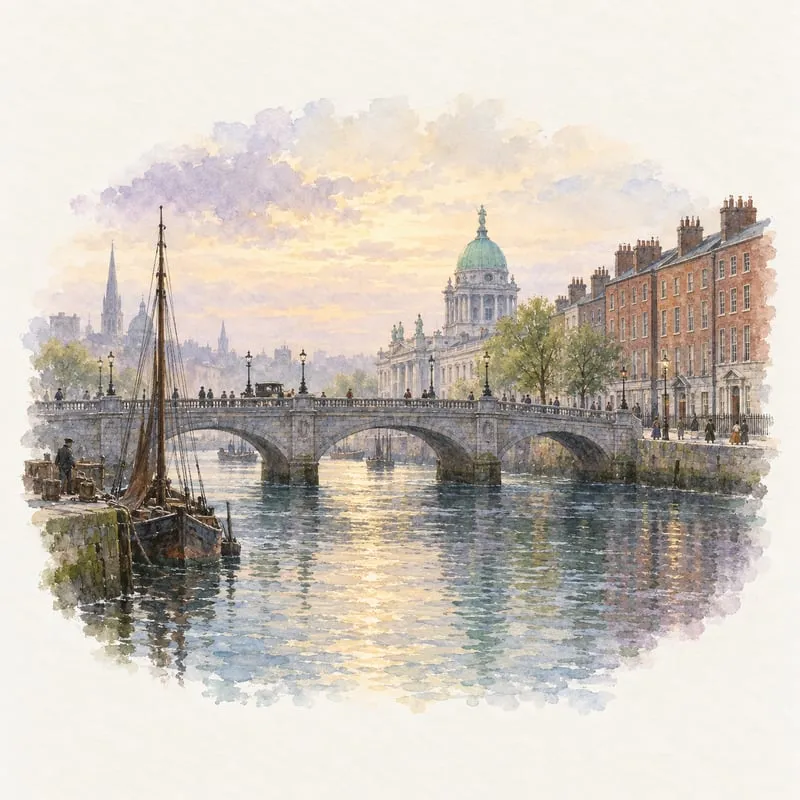 Dublin1880s to 1930sArt school, the Abbey Theatre, the Rising and the Senate.
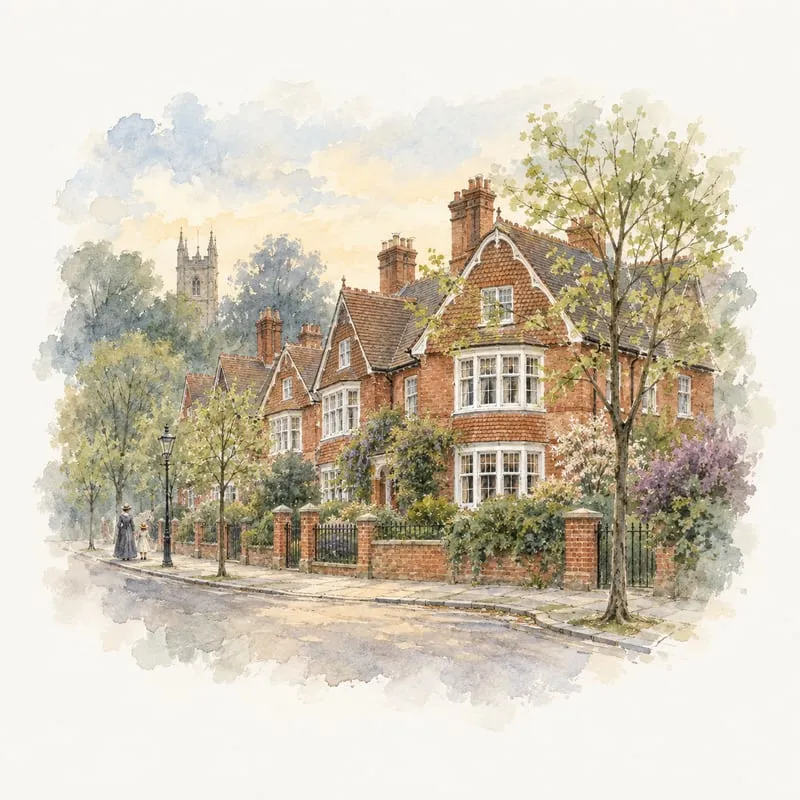 London1867 to 1919Bedford Park, the Rhymers and the Nineties.
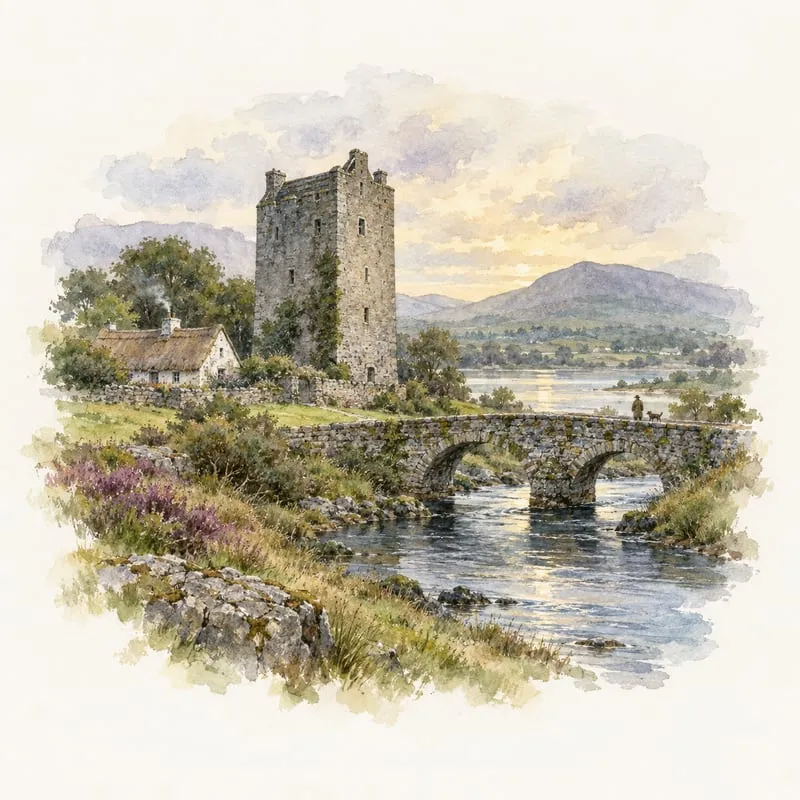 Coole and Thoor Ballylee1896 to 1929Lady Gregory's house, and the tower he made his symbol.
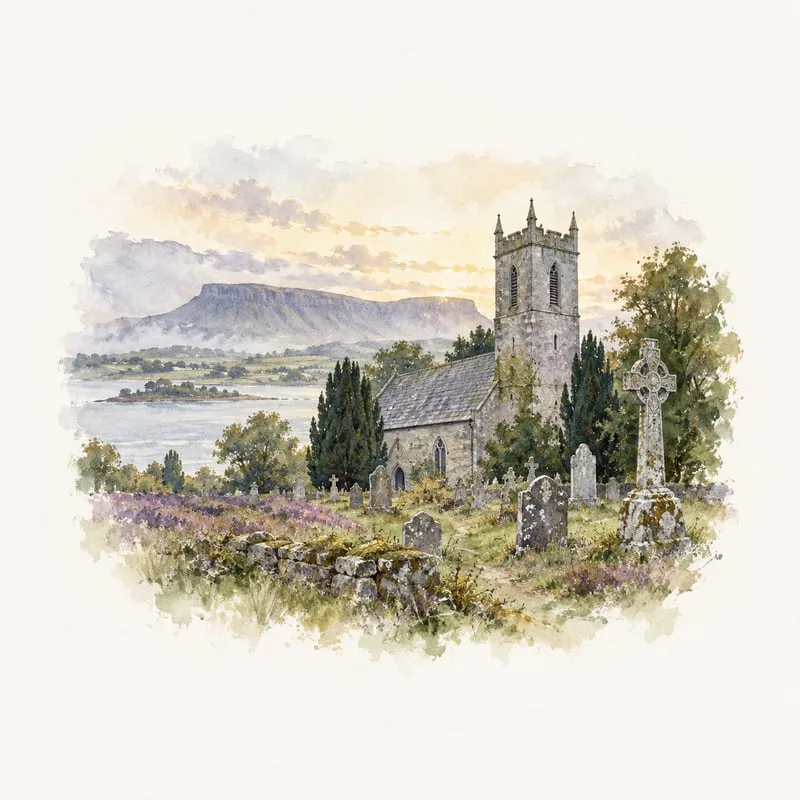 Drumcliffe1948Home again: his grave under Ben Bulben.
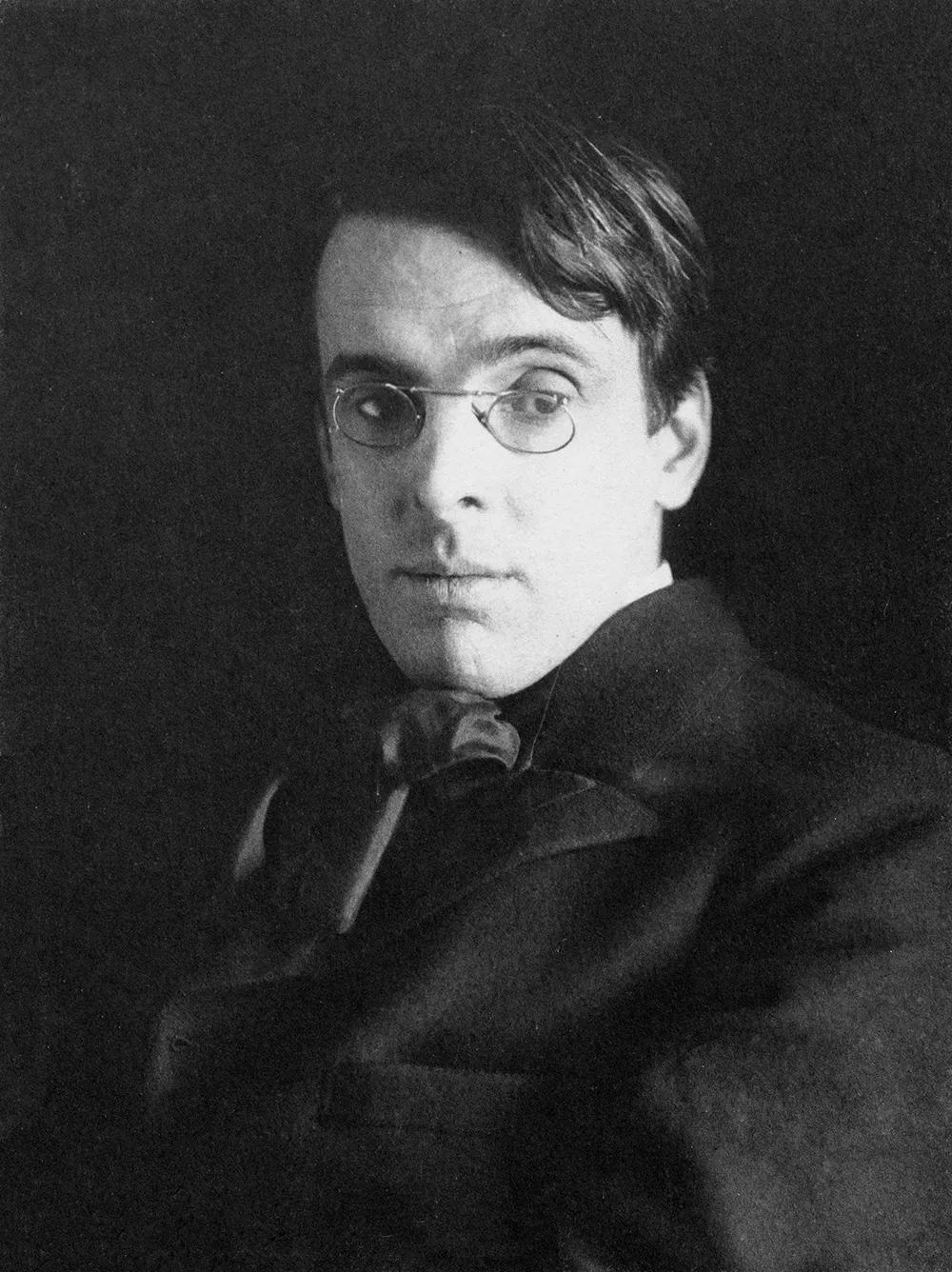
His life
W. B. Yeats (1865 to 1939) was born in Dublin and grew up between London and his mother's Sligo. He helped to found the Abbey Theatre, loved Maud Gonne for most of his life, wrote the poems that marked the Easter Rising and the Civil War, sat in the Senate of the Irish Free State and won the Nobel Prize for Literature in 1923. He is buried at Drumcliffe, under Ben Bulben.
Read his lifeI have spread my dreams under your feet;
Tread softly because you tread on my dreams.