Broken Dreams
Listen
Text: Poetry, by W. B. Yeats (Standard Ebooks, 2024), from the collected editions of 1908 to 1928. Public domain.
In brief
SummaryAn ageing poet talks with the memory of a greying beauty.
The woman he has loved now has grey in her hair, and young men no longer catch their breath when she passes. Yet an old countryman may bless her, because her prayer brought him back from his deathbed, and heaven spares her for the peace she makes just by walking into a room. Her beauty will leave only "Vague memories", but in the grave, the poet is sure, he will see her again in her first loveliness. He even hopes heaven will leave her one flaw, the small hands he has kissed. Then midnight strikes, and he admits he has spent the day talking "with an image of air".
Lines to remember
There is grey in your hair.
By merely walking in a room.
Vague memories, nothing but memories.
Line by line
Lines 1 to 6Grey in your hair
The poem opens with a blunt fact: "There is grey in your hair." Young men no longer react when she passes, but "some old gaffer" may mutter a blessing, because her prayer "Recovered him upon the bed of death". Her power has changed from beauty to kindness.
Lines 7 to 13The peace you make
A long, tangled sentence about "heart's ache" given and received ends simply: heaven has held back her doom because of the peace she makes "By merely walking in a room". The plain last line is one of the gentlest in Yeats.
Lines 14 to 19Vague memories
Her beauty will leave only "Vague memories, nothing but memories". Yet he imagines a future young man asking an old one about "that lady / The poet stubborn with his passion sang us", which is how the poem expects to keep her alive.
Lines 20 to 26In the grave
The refrain turns into faith: "in the grave all, all, shall be renewed." He is certain he will see her "In the first loveliness of womanhood" with his own "youthful eyes", and the certainty has left him "muttering like a fool".
Lines 27 to 36Her small hands
She is "more beautiful than any one", yet "Your small hands were not beautiful". He fears that in heaven's "always brimming lake", where the blessed "Paddle and are perfect", she will lose that flaw, and he asks her to keep "The hands that I have kissed".
Lines 37 to 41The midnight stroke
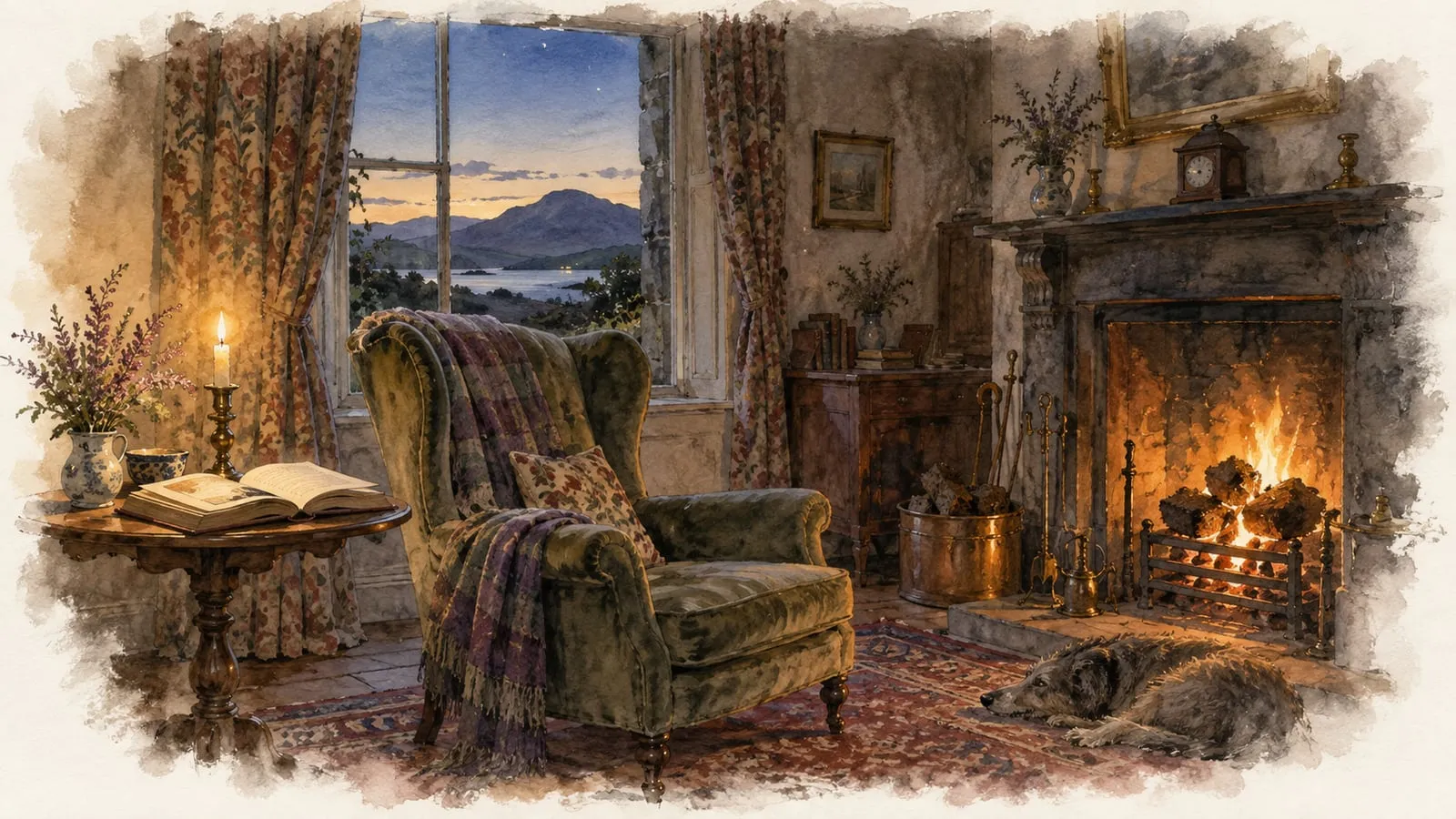
The spell breaks as midnight dies away. He has sat "All day in the one chair", ranging from "dream to dream and rhyme to rhyme" in talk with "an image of air". The refrain closes the poem, now sounding like an admission of loss.
Themes
Ageing beauty
The poem begins with the grey hair that ends a beauty's reign and ends with a poet talking to an "image of air". Between them, her beauty survives in three forms: as goodness, in the peace she brings to a room; as legend, in the stories of old men; and as a promise, renewed "in the grave".
Love and imperfection
The most tender passage is about a flaw. "Your small hands were not beautiful", he says, and yet he begs that heaven leave them "unchanged", because they are "The hands that I have kissed". Love here clings to the real person, faults and all, not to a perfect image.
Memory and dream
The refrain "Vague memories, nothing but memories" appears three times, and its meaning shifts: first a loss, then a stepping stone to the hope of renewal, finally a confession that his day has been spent with a dream. The title says the same: these are broken dreams, and he knows it.
Context
The poem was collected in The Wild Swans at Coole, published by the Cuala Press in 1917. It is addressed to Maud Gonne, whom Yeats met in 1889 and loved for most of his life, and who was past fifty when the book appeared. It looks back across nearly thirty years of unreturned love, as he calls himself "The poet stubborn with his passion".
The old countryman recovered by her prayer and the peace she makes in a room turn her from a public beauty into a figure of quiet goodness. The hope of seeing her again "in the grave" as she first was belongs with Yeats's growing interest in the life of the soul after death.
Form
Five verse paragraphs of free lines of very uneven length, with scattered and uneven rhymes ("hair" and "prayer", "breath" and "death", "doom" and "room"). The rambling movement suits a man talking to himself through a long day, and the refrain "Vague memories, nothing but memories" gives it a centre to return to.