The Grey Rock
Listen
Text: Poetry, by W. B. Yeats (Standard Ebooks, 2024), from the collected editions of 1908 to 1928. Public domain.
In brief
SummaryYeats retells an Irish legend for the dead poets of his youth.
Yeats offers an old Irish story to his dead friends of the Rhymers' Club, who met at the Cheshire Cheese in London. The gods sit feasting at Slievenamon, drunk on the wine of Goban, their smith, when a woman of the gods bursts in and begs them to dig up a dead man and hunt him. She is Aoife of the grey rock. She had loved a mortal and made him invisible so that he would survive the battle against the Danes, but he threw away her gift to die beside the King of Ireland's son. The gods answer her grief by drenching her in their wine, and she forgets. Between the parts of the story Yeats praises the poets, Dowson and Johnson above all, who died young but never cheapened their songs, and he ends by declaring that he too has kept faith with that hard, wandering muse, whatever the crowd may think.
Lines to remember
Poets with whom I learned my trade,
You kept the Muses' sterner laws,
Why must the lasting love what passes,
Line by line
Lines 1 to 11To the Rhymers
Yeats addresses the "Poets with whom I learned my trade", his companions of "the Cheshire Cheese". He offers them "an old story I've re-made", knowing they may think he wastes his breath claiming a passion can have "more life in it than death". "The moral's yours because it's mine" binds them to him.
Lines 12 to 25The gods at the feast
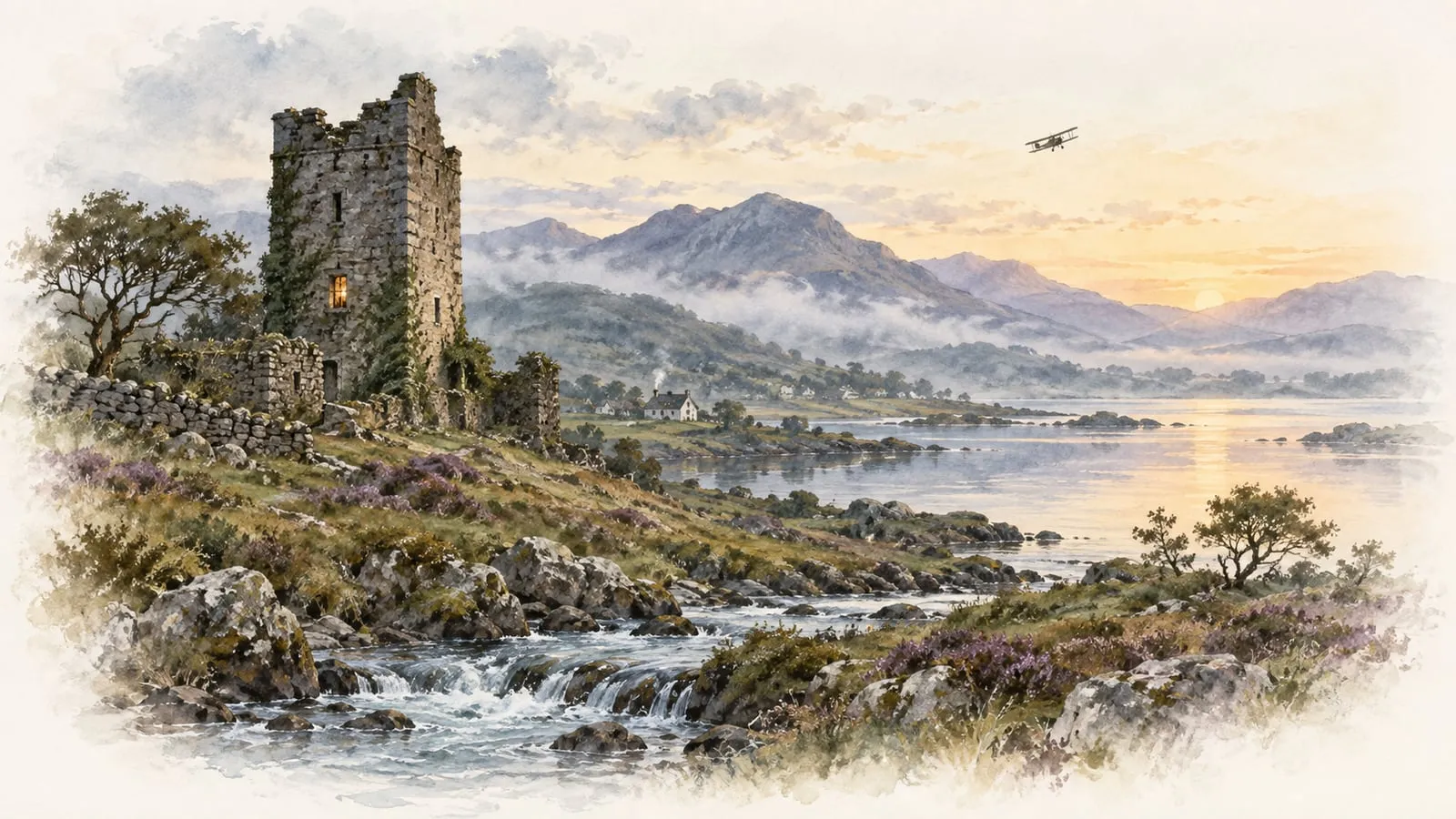
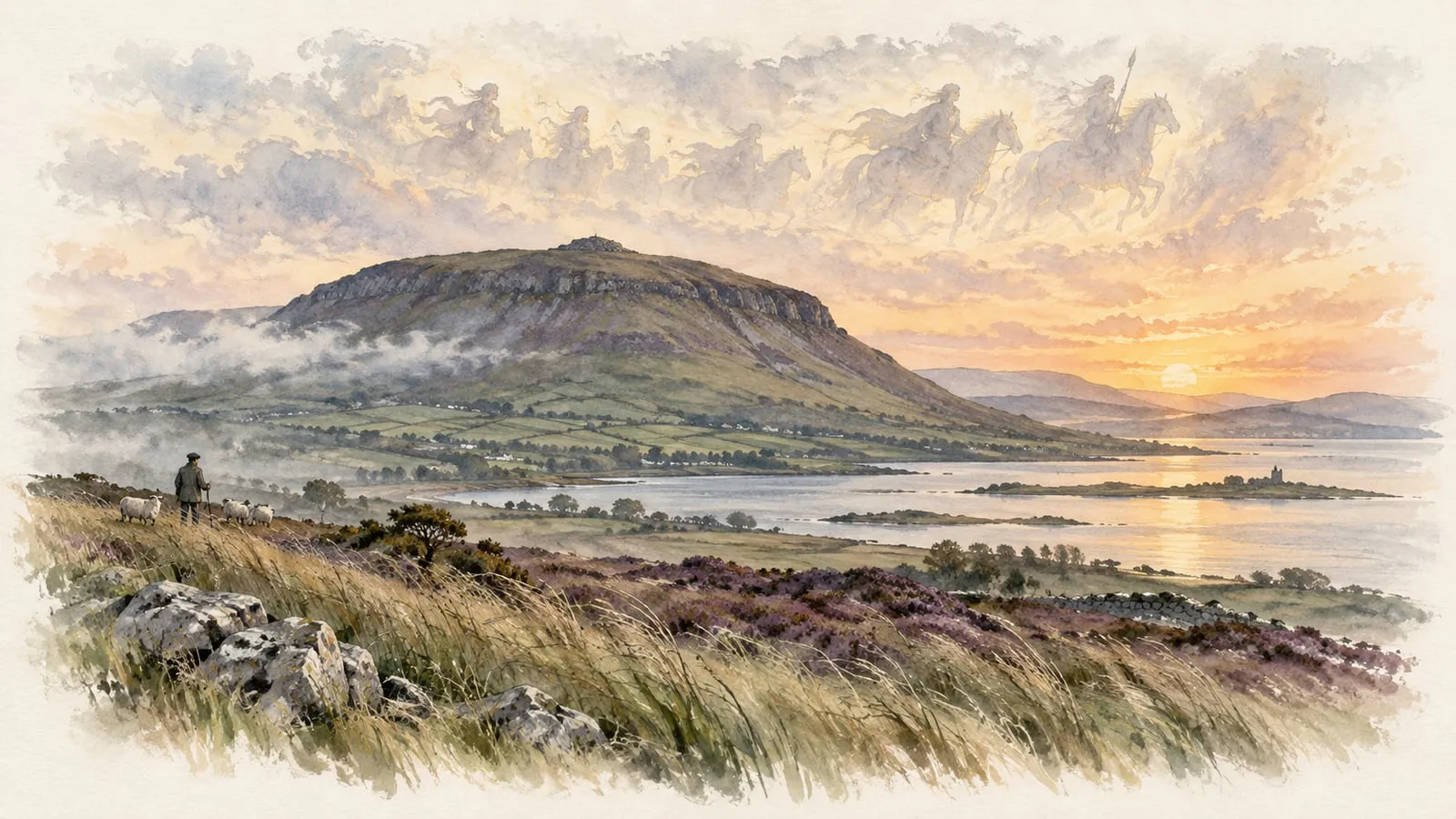
The story opens like a fireside tale ("Is not that how good stories run?"). The gods sit in their great house at Slievenamon, drowsy with wine and meat. Torchlight glints on the silver cups Goban "Had hammered out on mountain top" to hold the brew "That only gods may buy of him".
Lines 26 to 36A woman's cry
The drunken gods lift the "Imaginations of their eyes" as a figure "like woman made" rushes in, trembling with passion. She urges them to dig up "a dead man", mock him and "Hollo him on with horse and hound", for "he is the worst of all dead men".
Lines 37 to 48A woman none could please
Yeats breaks off: if we saw that room even in dreams, we would be "dazed and terror-struck" and our days to come would feel empty. He remembers a woman who dreamed as a child of such godlike beings and so could love no ordinary man; she said she must marry "some poor lout" and burst into tears.
Lines 49 to 64The tragic generation
He turns back to his "tavern comrades", now dead. They died young, of "wine or women, or some curse", but never wrote "a poorer song" for a heavier purse or served a cause to win friends. They "kept the Muses' sterner laws", and of them all "Dowson and Johnson most I praise".
Lines 65 to 84The unseen man
The woman tells her story. The Danes were driven out "Between the dawn and dusk", though the King of Ireland died. His son Murrough was giving way until the Danes fled from "The shouting of an unseen man". Following bloody footprints, Murrough found only thorn trees, and asked who the invisible friend could be.
Lines 85 to 98The pin
A young man appears. Aoife, who loved him, had pushed a pin into his shirt so that no man could see to wound him. Seeing the king's son's wounds, he throws that shameful safety away. By nightfall both were dead, though she had "promised him two hundred years".
Lines 99 to 115Aoife's grief
Her grief turns to rage: he chose "his country's need" and "a new friend" over her. She calls for "spade and horse and hound" to "harry him", then throws herself down lamenting. Her questions ask why the lasting must love "what passes", and why "the gods" are "by men betrayed".
Lines 116 to 123The gods' answer
The gods do not argue. They rise "With a slow smile and without sound" and drench her from their cups. Soaked in "Goban's wine", she forgets everything and stares at them "with laughing lip": divine forgetfulness is their cure for grief.
Lines 124 to 131Keeping faith
Yeats ends in his own voice. He has kept faith with "that rock-born, rock-wandering foot", the spirit of the story and of his art, though the world has changed and he is out of favour with those who value "sword strokes" above "lover's music". Let that be, he says, so long as the muse is content.
Themes
Loyalty and betrayal
Aoife gives her lover safety and two hundred years; he gives them up for a comrade and his country. To her it is betrayal: "Why are the gods by men betrayed!" Yeats does not simply take her side. The young man's choice is noble, but faith to one thing means faithlessness to another. Yeats's own last claim is that he has "kept my faith, though faith was tried".
The artist's integrity
The Rhymers are praised not for success but for purity. They never made "a poorer song" for "a heavier purse", nor gave "loud service to a cause" to win friends. Yeats sets himself beside them, out of "good repute" with the crowd but loyal to the muse. It is a defence of art for its own sake against pressure to serve politics.
Gods and mortals
The gods are immortal and serene, drowsing over wine; mortals love, fight and die. Aoife's grief comes from loving what passes, and the gods' cure is to wash memory away. The poem hints that passion, with all its pain, may have "more life in it than death", and that the mortal dead, poets and warrior alike, have earned a place among the immortals.
Context
"The Grey Rock" was published in Responsibilities (Cuala Press, 1914). It is addressed to the Rhymers' Club, the group of young poets Yeats helped to found in London in the early 1890s, who met at the Cheshire Cheese tavern off Fleet Street. Ernest Dowson died in 1900 and Lionel Johnson in 1902; Yeats later counted them among a "tragic generation" destroyed by drink.
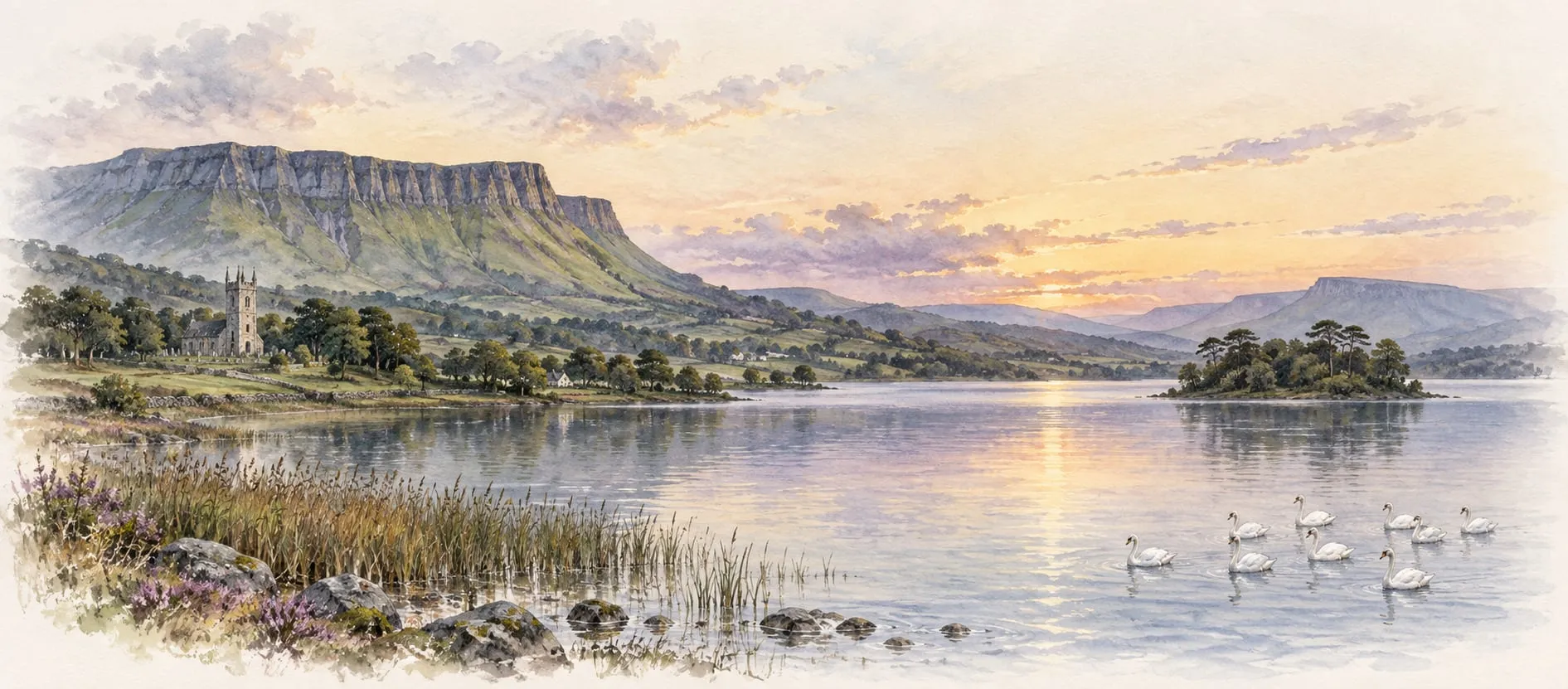
The story draws on Irish legend. The battle is Clontarf, fought in 1014, where Brian Boru, High King of Ireland, and his son Murrough were killed as the Norse were defeated. Aoife of the grey rock echoes Aoibheall, a fairy woman of Munster linked with Craig Liath, the grey rock near Killaloe, who tried to keep a young warrior out of the battle. Goban is the smith of the gods, whose drink kept them immortal.
Form
Four-beat lines rhymed in alternating pairs ("trade" and "re-made", "Cheese" and "please"), gathered into verse paragraphs of uneven length. The quick, ballad-like metre carries the story along, while the switches between the legend and Yeats's own address to the poets give the poem a double frame, part tale and part elegy.