The Cold Heaven
Listen
Text: Poetry, by W. B. Yeats (Standard Ebooks, 2024), from the collected editions of 1908 to 1928. Public domain.
In brief
SummaryA winter sky stirs up old guilt and fears about death.
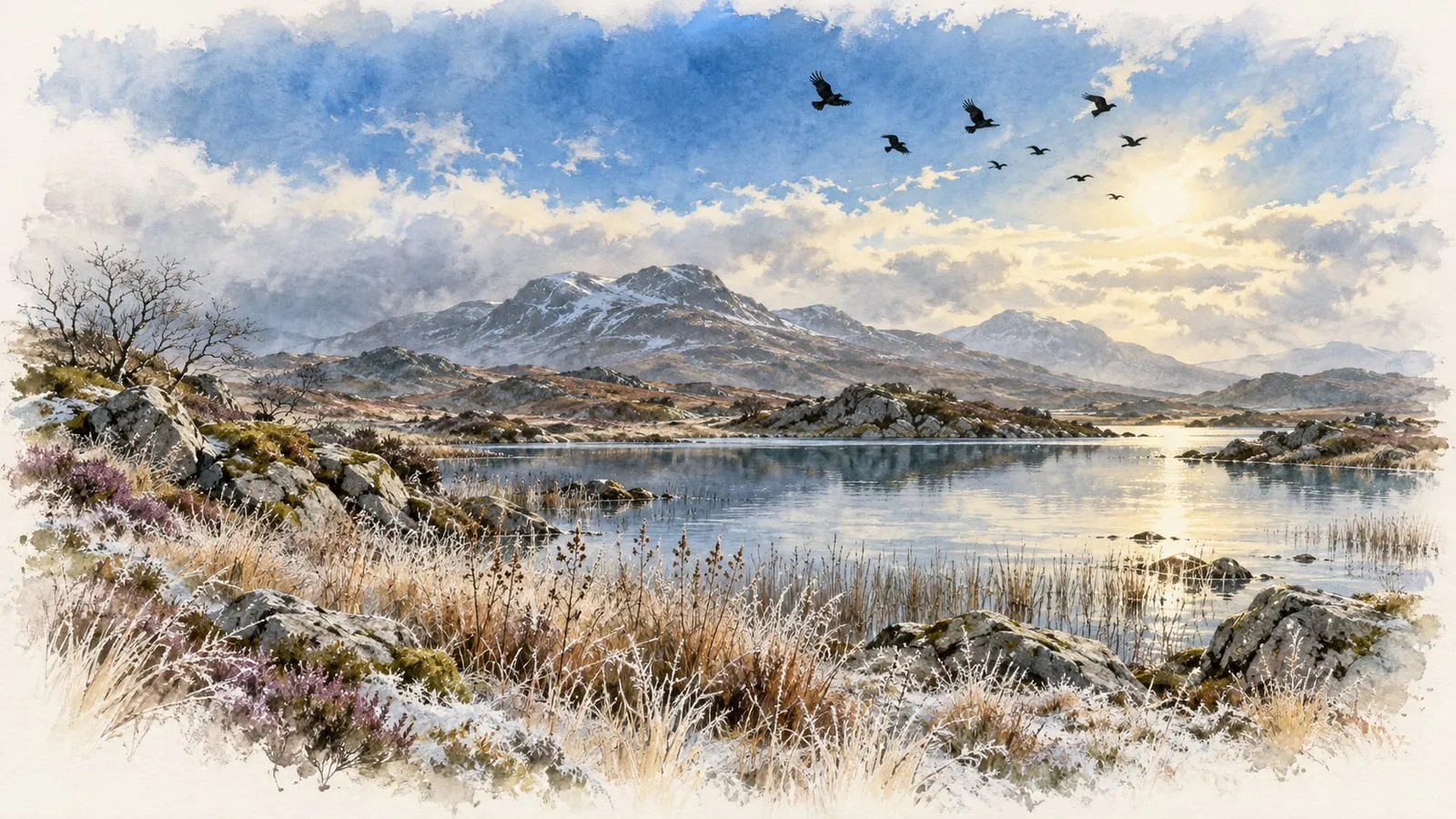
Looking up at a cold winter sky full of rooks, the speaker is suddenly overwhelmed. The sky seems like ice that burns and becomes only more icy. Every casual thought vanishes, leaving memories of a love "crossed long ago", and he takes all the blame on himself, beyond sense or reason, until he cries, trembles and rocks, "Riddled with light". The poem ends with a question: when the soul wakes after death, is it sent out naked on the roads, punished by the injustice of the skies. The whole poem is one moment of vision, remorse and dread.
Lines to remember
Suddenly I saw the cold and rook-delighting Heaven
That seemed as though ice burned and was but the more ice,
Line by line
Lines 1 to 2The burning ice
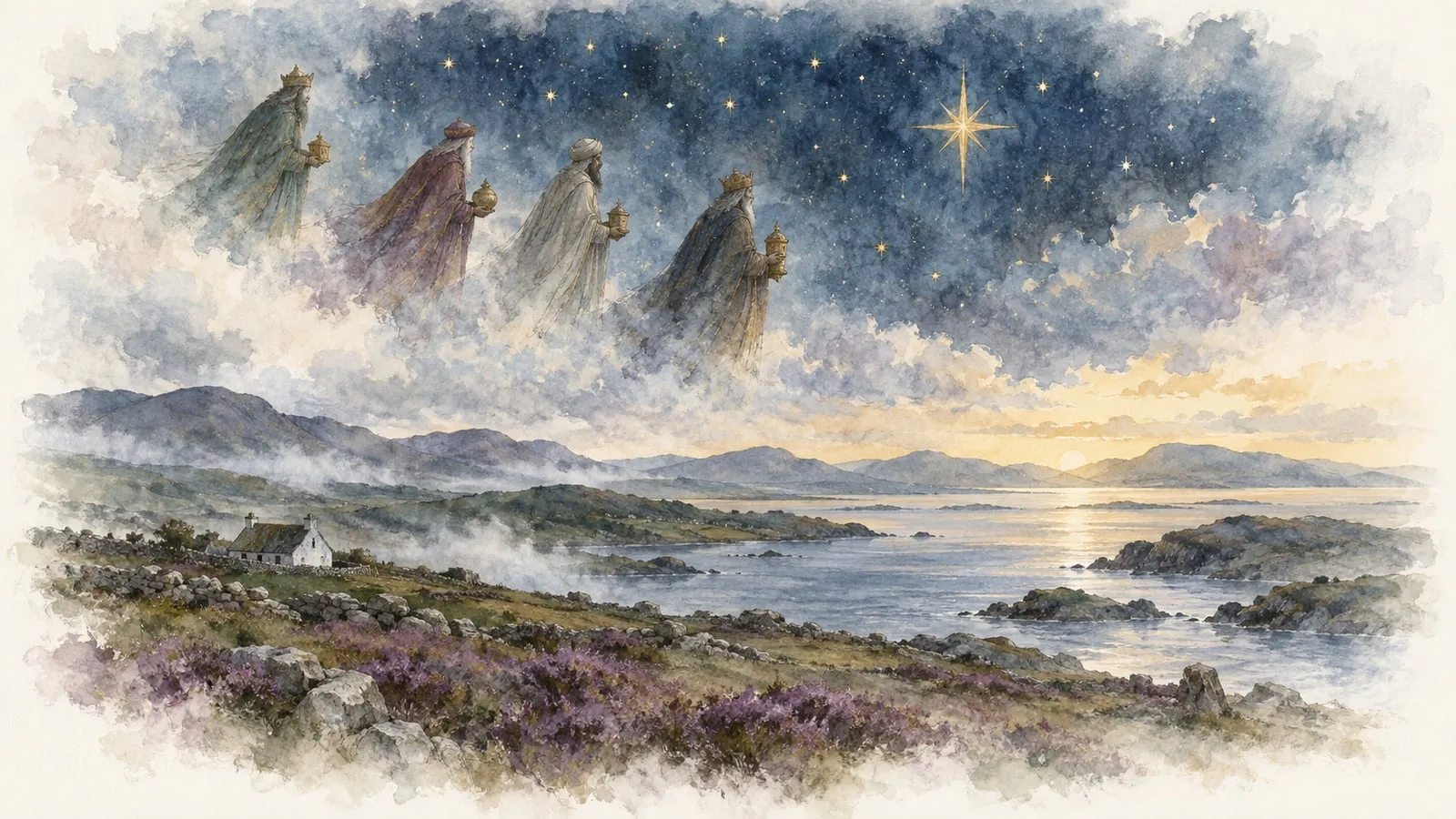
The poem begins with a sudden sight: the "cold and rook-delighting Heaven". The paradox of ice that "burned and was but the more ice" captures a cold so intense it feels like fire, and prepares for feelings that are both frozen and fierce.
Lines 3 to 6Old memories
Heart and imagination are "driven / So wild" that everyday thoughts vanish. What remains are memories that feel "out of season", too hot for a man no longer young: the "hot blood of youth" and "love crossed long ago".
Lines 7 to 8Taking the blame
He takes "all the blame out of all sense and reason". The piled-up verbs "cried and trembled and rocked to and fro" show a grown man physically shaken by remorse, rocking like someone in grief.
Lines 9 to 12The naked ghost
"Riddled with light", he is pierced by the sky. His thought turns to death: when the ghost wakes after "the death-bed", is it sent "naked on the roads" and "stricken / By the injustice of the skies". The poem ends on this unanswered question.
Themes
Guilt and lost love
The sky releases memories of "love crossed long ago", and the speaker blames himself "out of all sense and reason". The remorse is out of proportion, and he knows it, yet it grips his whole body. Old feelings, the poem suggests, do not fade with age but wait to return.
Death and judgement
The final question imagines the soul after death wandering "naked on the roads" and punished by the skies. The same cold heaven that triggered his remorse now becomes a judge, and an unjust one. The poem offers no comfort, only the fear that suffering may continue beyond the grave.
Vision
Everything happens "Suddenly". The sky does not symbolise his feelings calmly; it strikes him, leaving him "Riddled with light". The poem records an experience of being overwhelmed by something seen, in which the outer world and the inner life become impossible to separate.
Context
The poem first appeared in a book in The Green Helmet and Other Poems (Macmillan, New York, 1912) and was later placed in Responsibilities. The "love crossed long ago" is usually read as Yeats's long, unreturned love for Maud Gonne. The poem shows the harder, more direct style of his middle years, with plain speech driven by intense feeling.
Form
Twelve long lines, rhymed ABAB CDCD EFEF with some half-rhymes ("ice" and "this"). The first nine lines form one breathless sentence, piling clause on clause with "And", before the sentence breaks at "Riddled with light" and the poem turns into its closing question.