The Ragged Wood
Earlier titled "The Hollow Wood"
Listen
Text: Poetry, by W. B. Yeats (Standard Ebooks, 2024), from the collected editions of 1908 to 1928. Public domain.
In brief
SummaryA lover wishes that no one had ever loved except the two of them.
The speaker urges his beloved to hurry to the wood. Everything in nature seems to be in love and sighing: a stag and his mate by the water, the moon as a pale queen of the sky at sunrise. Each time, his jealous wish returns as the refrain: would that no one had ever loved but "you and I". In the last stanza he plans to drive all the other lovers out of the wood, and the wish turns into a claim: "No one has ever loved but you and I!"
Lines to remember
O my share of the world, O yellow hair,
No one has ever loved but you and I!
Line by line
Lines 1 to 4The stag and his lady
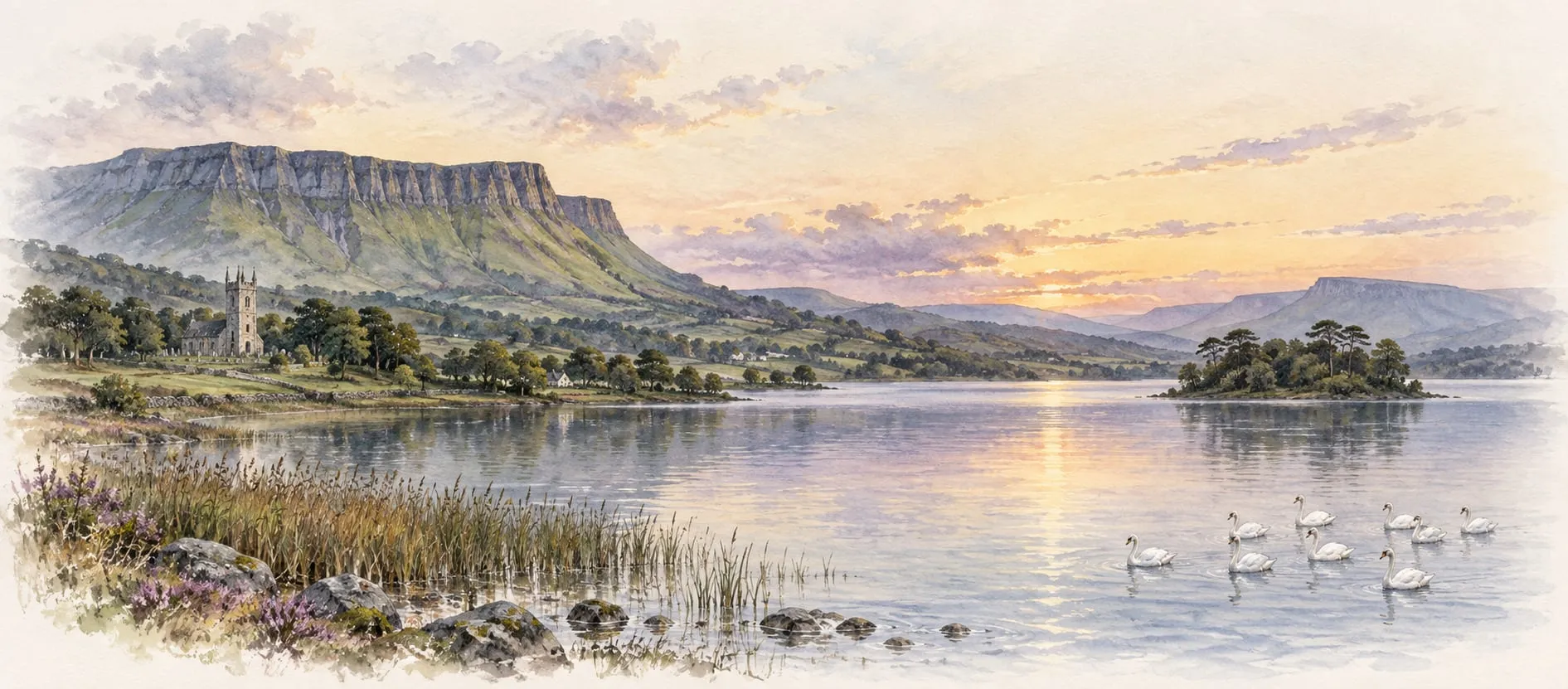
"O hurry" sets a quick, eager tone. By the water among the trees a stag and his lady sigh after looking at their reflections. The sight of other lovers only stirs his wish: "Would none had ever loved but you and I!"
Lines 5 to 8The moon queen
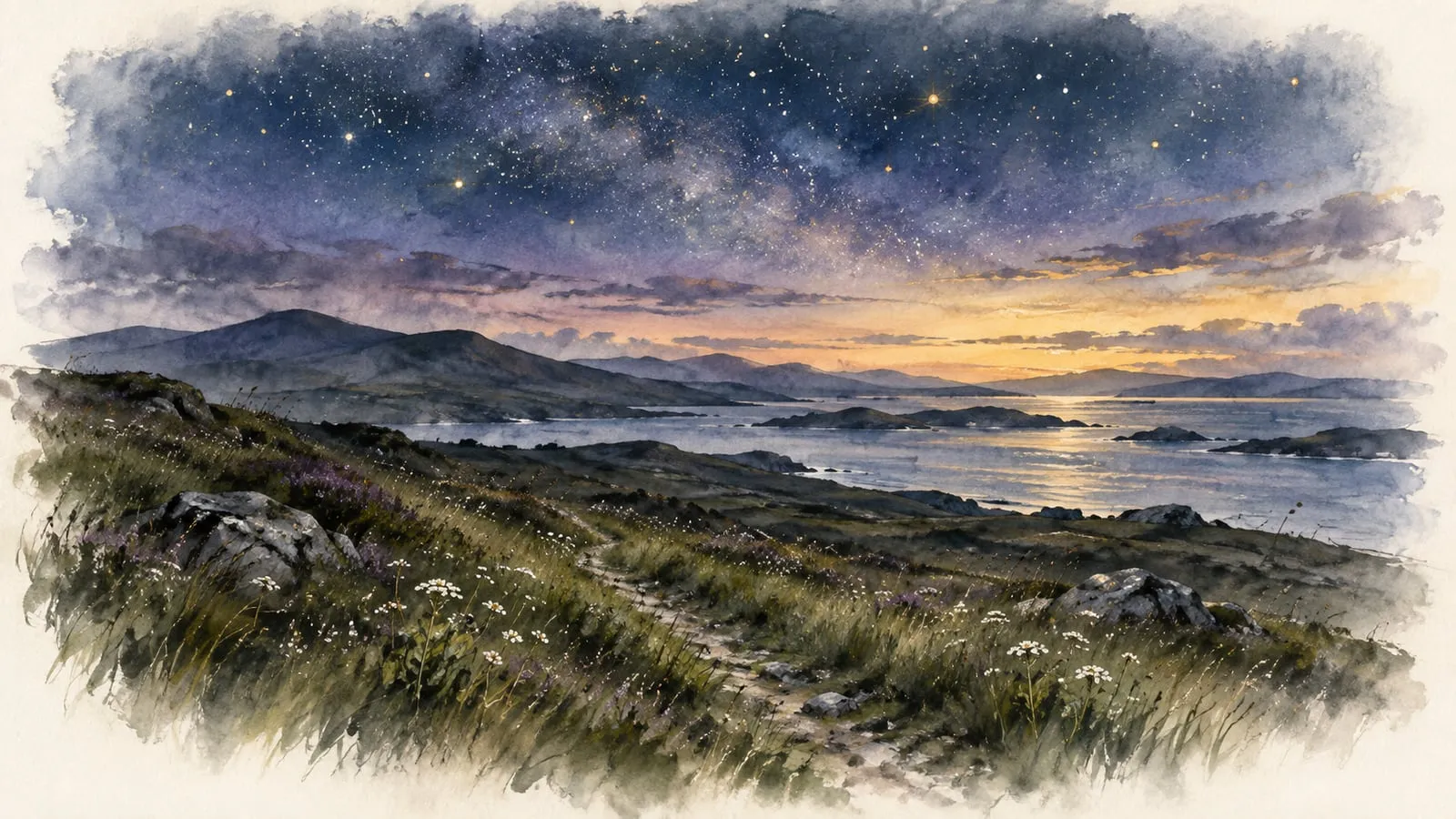
He turns to the sky, to the moon as a "silver-proud queen-woman" who sighs "When the sun looked out of his golden hood" at dawn. Sun and moon become a pair of lovers too. The refrain comes back, a little stronger: "O that none ever loved".
Lines 9 to 12Driving the lovers out
In the ragged wood he will "drive all those lovers out" and cry his praise: "O my share of the world, O yellow hair". The refrain changes a last time, from wish to boast: "No one has ever loved but you and I!"
Themes
Possessive love
The refrain is a lover's jealous wish that love itself belonged only to them. It grows in confidence from "Would none had ever loved" to "No one has ever loved". The plan to "drive all those lovers out" of the wood is playful but fierce: this love wants to be the only one.
Love in nature
Everything the speaker sees is paired and sighing: the stag and his lady, the moon and the sun. Nature is full of love, and that is exactly what troubles him. The beloved herself is reduced to one bright image, "O yellow hair", and called "my share of the world".
Context
The poem was published in In the Seven Woods (Dun Emer Press, 1903) with the title "The Hollow Wood", and was revised and retitled later. It belongs with the short love songs of that book, which are simpler in style than the heavily ornamented love poems of The Wind Among the Reeds (1899).
Form
Three quatrains, rhymed abab, and every fourth line ends on "I", rhyming with "sigh", "sky" and "cry". The last line of each stanza is a refrain that changes slightly each time. The exclamations and the repeated "O" give the poem the breathless, urgent voice of a love song.
Titled 'The Hollow Wood' in 1903 (Gutenberg 30652); revised and retitled later.