The Fiddler of Dooney
Listen
Text: Poetry, by W. B. Yeats (Standard Ebooks, 2024), from the collected editions of 1908 to 1928. Public domain.
In brief
SummaryA Sligo fiddler expects to beat his priestly relatives into heaven.
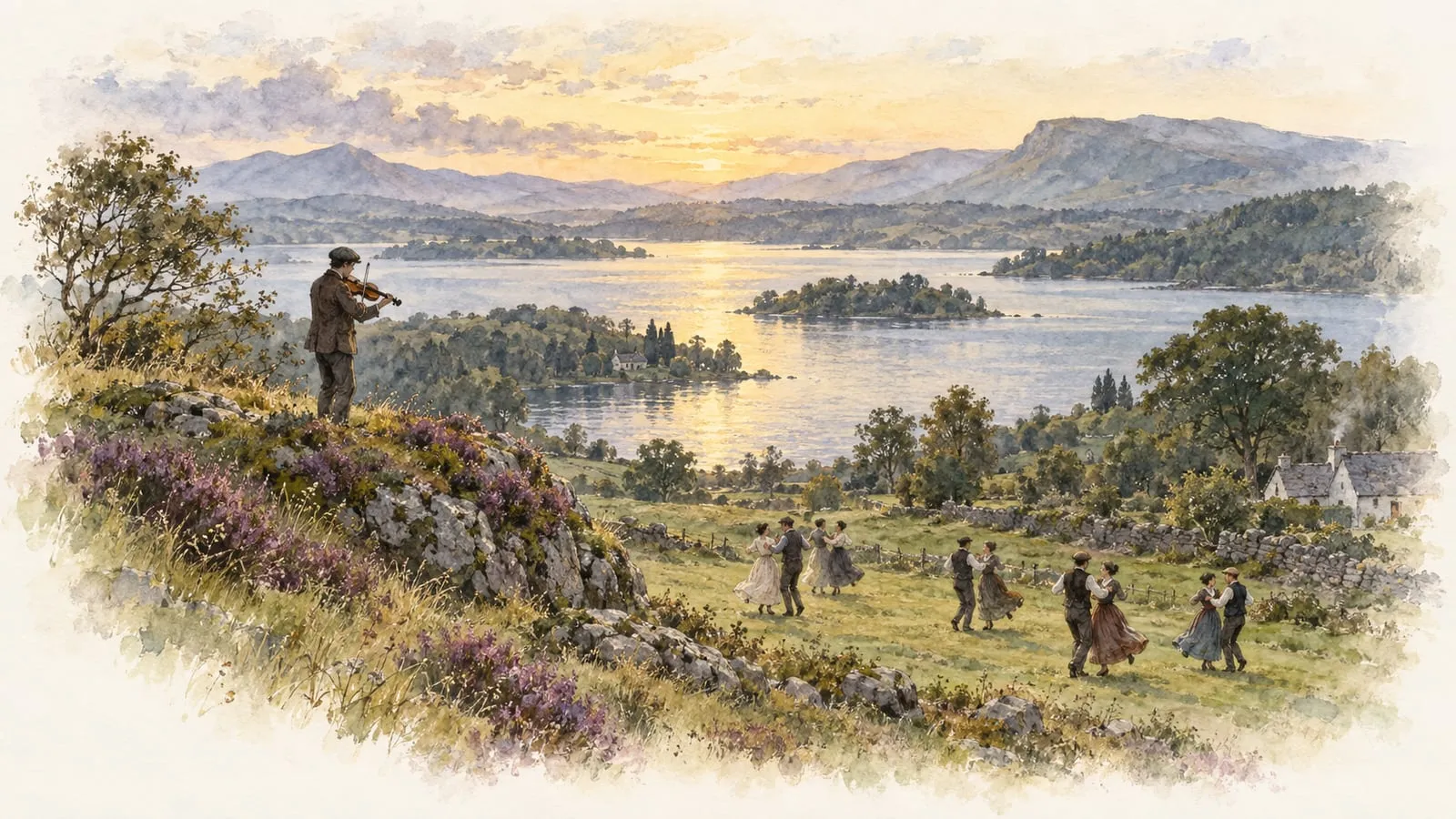
A country fiddler tells how people dance "like a wave of the sea" when he plays at Dooney. His brother and his cousin are priests who read their prayer books; he reads his "book of songs" bought at the Sligo fair. At the end of time, he says, Saint Peter will smile on the priests but call the fiddler through the gate first, because the good are merry, and the merry love music and dancing. The poem ends with the spirits in heaven crowding round him, dancing as they did at home.
Lines to remember
When I play on my fiddle in Dooney,
Folk dance like a wave of the sea;
For the good are always the merry,
Line by line
Lines 1 to 4The fiddler and his family
When he plays at Dooney, "Folk dance like a wave of the sea". His cousin is priest at Kilvarnet and his brother at Mocharabuiee. Three men of one family, two in the church and one with a fiddle, are set side by side in four quick lines.
Lines 5 to 8Two kinds of book
He passes the two priests reading "their books of prayer" while he reads "my book of songs" from "the Sligo fair". The parallel is gently comic: each man has his holy book, and the fiddler's is a cheap songbook from the market.
Lines 9 to 12At heaven's gate
At the end of time, all three will come before Saint Peter "sitting in state" at the gate of heaven. Peter will smile on "the three old spirits", but call the fiddler through first. The joke is that music, not piety, earns the first place.
Lines 13 to 16The good are merry
He gives his reason as a simple rule: "the good are always the merry", unless bad luck intervenes, and the merry love the fiddle and love to dance. Goodness and joy are made one, a warm, unsolemn kind of faith.
Lines 17 to 20Dancing in heaven
In heaven the folk will spot him and crowd round, crying "Here is the fiddler of Dooney!", and dance "like a wave of the sea". The last line repeats the second, so the poem comes round like a tune played again, and heaven becomes a country dance.
Themes
Joy and goodness
The fiddler's creed is that "the good are always the merry". Happiness and music are not distractions from virtue but signs of it. The poem prefers the man who makes people "dance like a wave of the sea" to the men who "read in their books of prayer", and it does so with a smile rather than a sneer.
Art and religion
Two priests with prayer books and a fiddler with his "book of songs" stand side by side. At heaven's gate, Saint Peter calls the fiddler "first through the gate". The poem gives art a spiritual worth equal to, or greater than, formal religion: the fiddler's music brings people together in joy, here and hereafter.
Sligo folk life
Dooney, Kilvarnet, Mocharabuiee and "the Sligo fair" root the poem in the Sligo countryside Yeats knew as a boy. The fiddler, the dancing folk and the country priests belong to a real rural world, and the poem's heaven looks very much like a Sligo dance.
Context
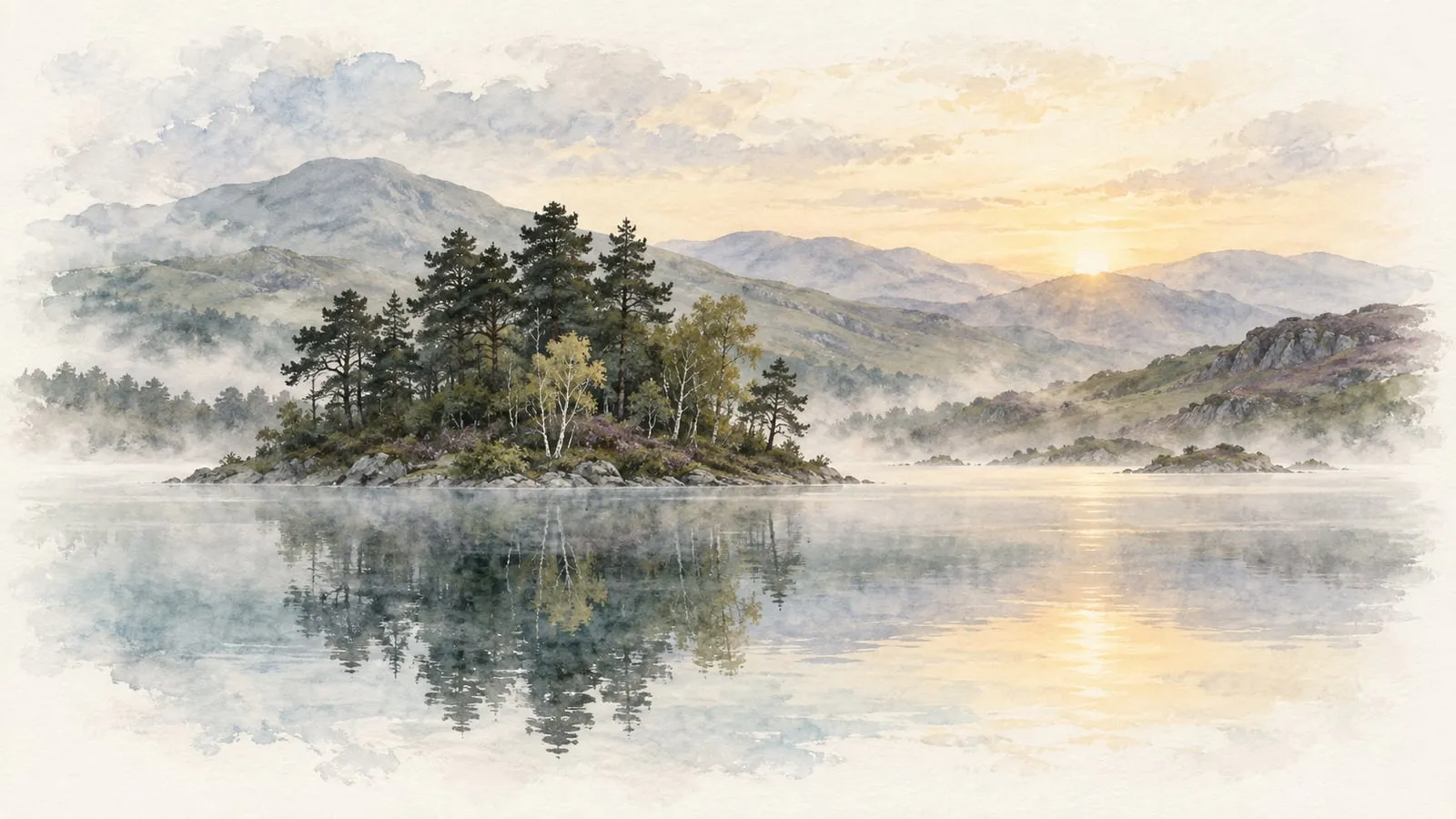
First printed in The Bookman in 1892, the poem was collected in The Wind Among the Reeds (Elkin Mathews, London, 1899). Most of that book is dreamy and elaborate, but this is a plain, cheerful ballad, closer to the folk songs of Sligo. Dooney Rock is a wooded outcrop on the south shore of Lough Gill, near Sligo town, and gives the fiddler his name.
Yeats's early poems often set the imaginative life of country people, their music, stories and faith, against more official or learned ways of seeing. Here that contrast is handled with humour: the church is not mocked, but the fiddler goes to heaven first. With "The Lake Isle of Innisfree", it puts the shores of Lough Gill on the map of his poetry.
Form
Five quatrains of short, lilting lines with three beats each, rhymed on the second and fourth lines ("sea" and "Mocharabuiee", "state" and "gate"). The rhythm skips like a dance tune. The last line echoes the second, "dance like a wave of the sea", so the poem ends where it began, like a song.