The Everlasting Voices
Listen
Text: Poetry, by W. B. Yeats (Standard Ebooks, 2024), from the collected editions of 1908 to 1928. Public domain.
In brief
SummaryA plea to the eternal voices to leave tired hearts alone.
The speaker begs the "sweet everlasting Voices" to be quiet. He asks them to go and trouble the guardians of heaven instead, and send those guards wandering "till Time be no more". Then he gives his reason: "our hearts are old", and still the voices call to them in everything, in birds, in wind on the hill, in shaken boughs and the tide. The last line repeats the opening plea. The poem is short and weary, a longing for rest from longing itself.
Lines to remember
O sweet everlasting Voices, be still;
Have you not heard that our hearts are old,
Line by line
Lines 1 to 4Be still
He addresses the "everlasting Voices" as if they were spirits, sweet but relentless. Let them go instead "to the guards of the heavenly fold" and send those guards wandering "Flame under flame, till Time be no more". Heaven, he suggests, can bear their call better than we can.
Lines 5 to 8Our hearts are old
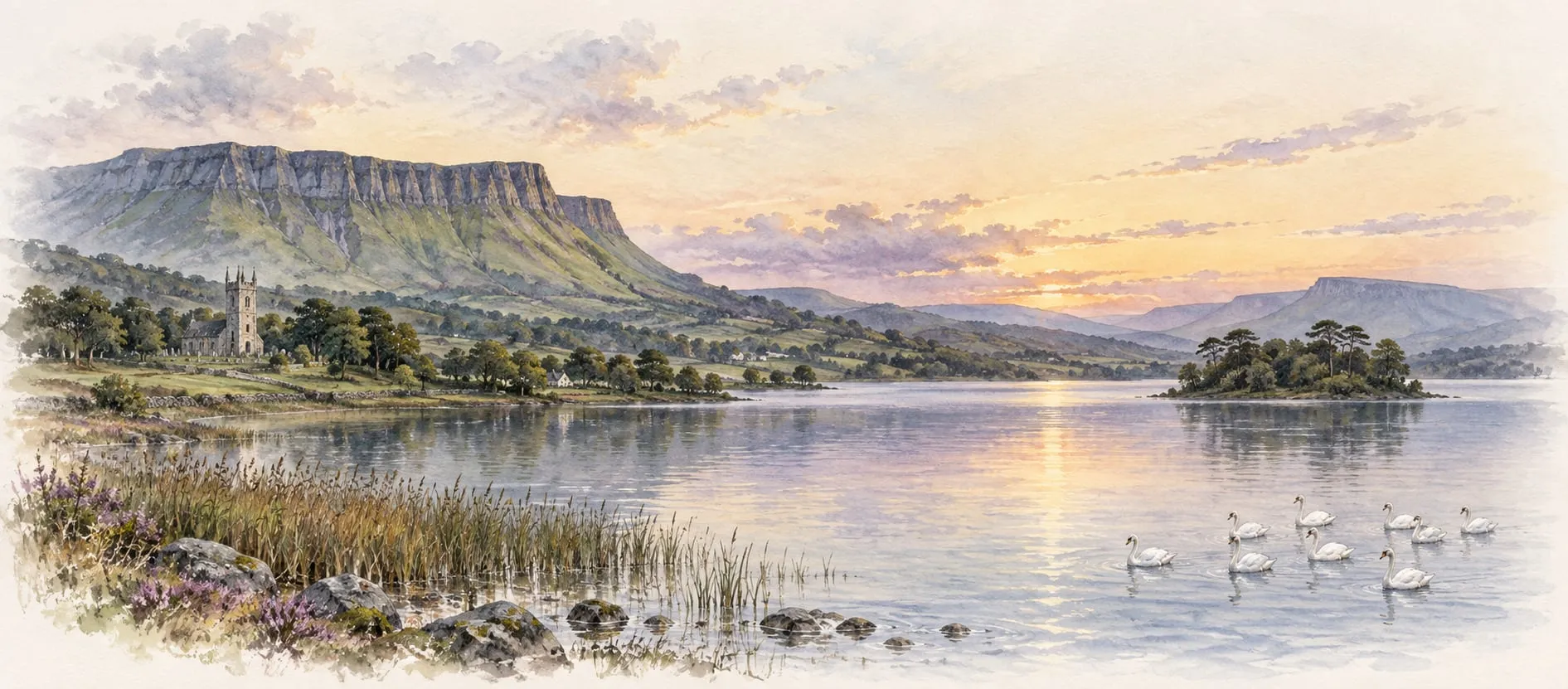
The reason comes as a weary question: have they not heard "that our hearts are old"? The voices sound through all of nature, in birds, in "wind on the hill", in "shaken boughs" and the "tide on the shore". The last line repeats the first, the plea circling back unanswered.
Themes
Longing
The voices are never explained. They seem to be the call of something eternal, beauty or the spiritual world, heard in every natural sound. What makes the poem unusual is that the speaker does not want to follow them. He wants them to stop, because the longing they stir has worn out "our hearts".
Weariness
"Our hearts are old" is the poem's centre. The gap between voices that are everlasting and hearts that age is the source of its sadness. The repeated plea, "O sweet everlasting Voices, be still", frames the poem like a sigh at its beginning and end.
Context
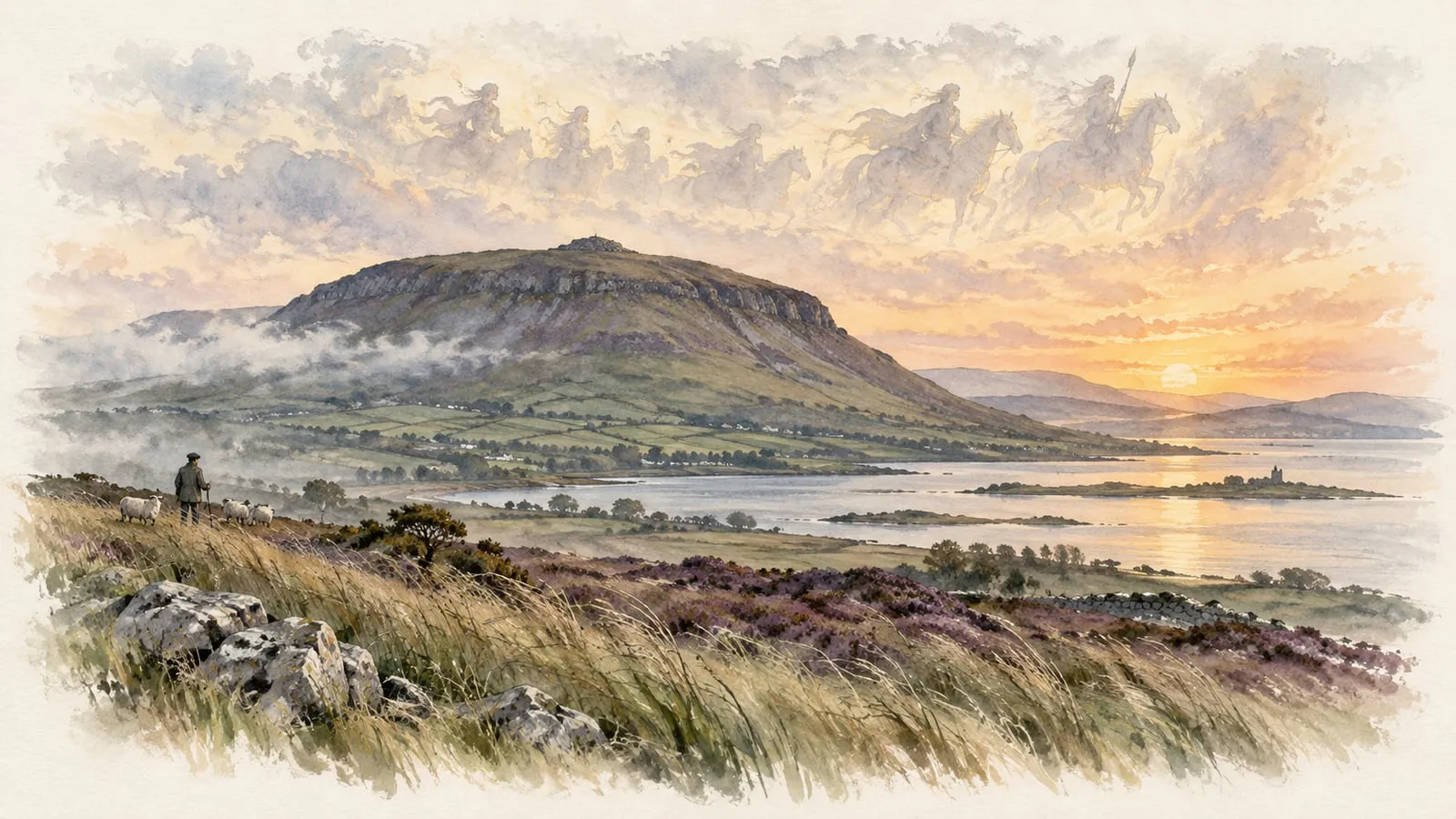
The poem appeared in The Wind Among the Reeds (1899), Yeats's book of intense, symbol-laden love lyrics and faery poems. It stands second in the book, after "The Hosting of the Sidhe", and shares its sense of voices from another world calling people away from ordinary life.
Form
Eight lines of four beats, with a lilting, uneven rhythm. Only three rhyme sounds carry the poem, one of them four times ("still", "will", "hill", "still"). The opening line returns at the end, with only its semicolon changed to a full stop, so the plea closes on itself like a charm.