He tells of a Valley full of Lovers
Earlier titled "Aedh tells of a Valley full of Lovers"
Listen
Text: Poetry, by W. B. Yeats (Standard Ebooks, 2024), from the collected editions of 1908 to 1928. Public domain.
In brief
SummaryIn a dream, a lost love's beauty spoils every other face.
The speaker dreams that he stands sighing in a valley while happy couples pass him two by two. His lost love comes softly out of the wood, her pale eyelids falling over "dream-dimmed eyes". He cries out to the women, telling them to make the young men lay their heads on their knees and hide their eyes in their hair. Otherwise, having seen her, the young men will find no other face fair until the end of the world.
Lines to remember
I dreamed that I stood in a valley, and amid sighs,
Till all the valleys of the world have been withered away.
Line by line
Lines 1 to 4The dream
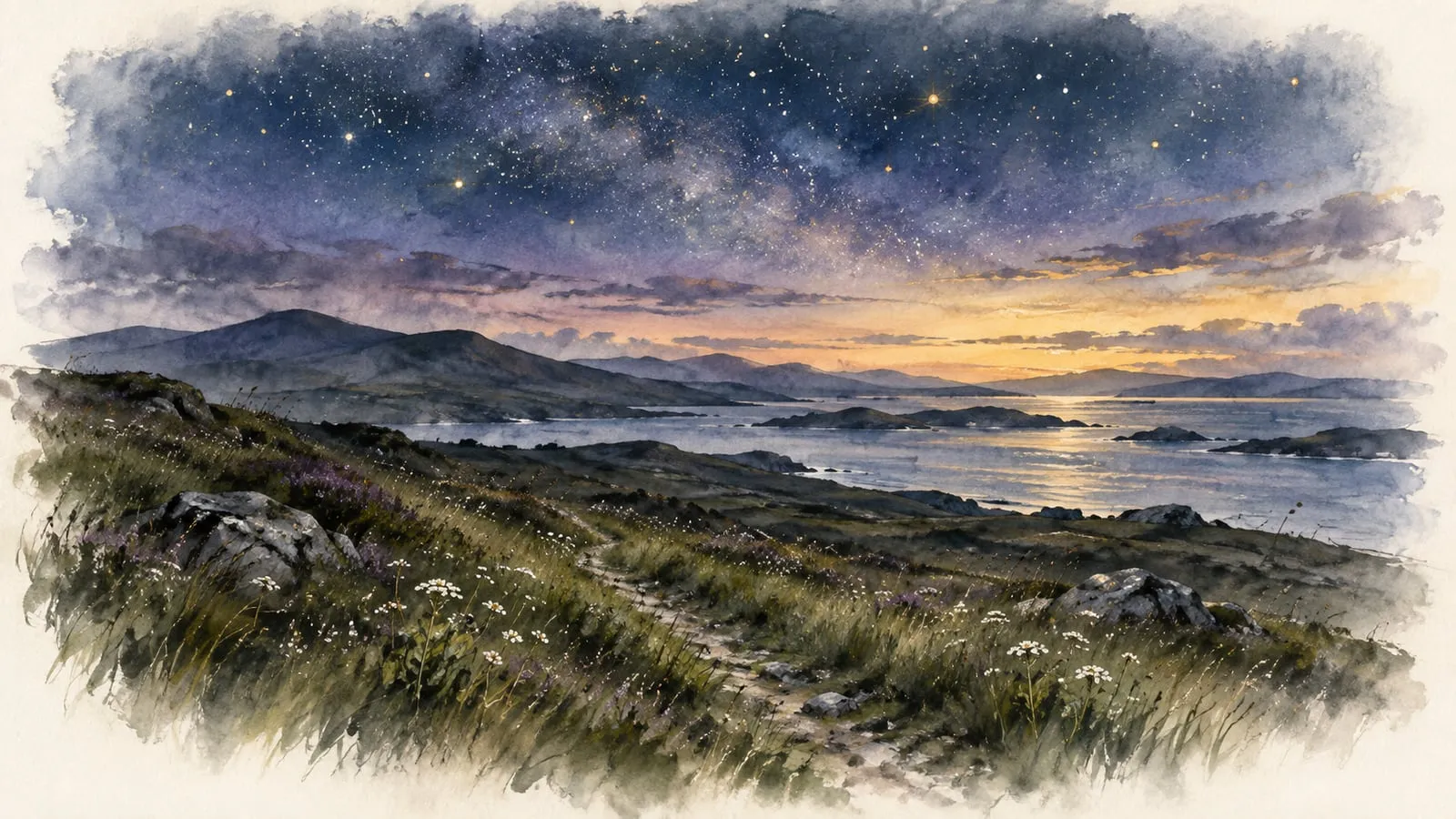
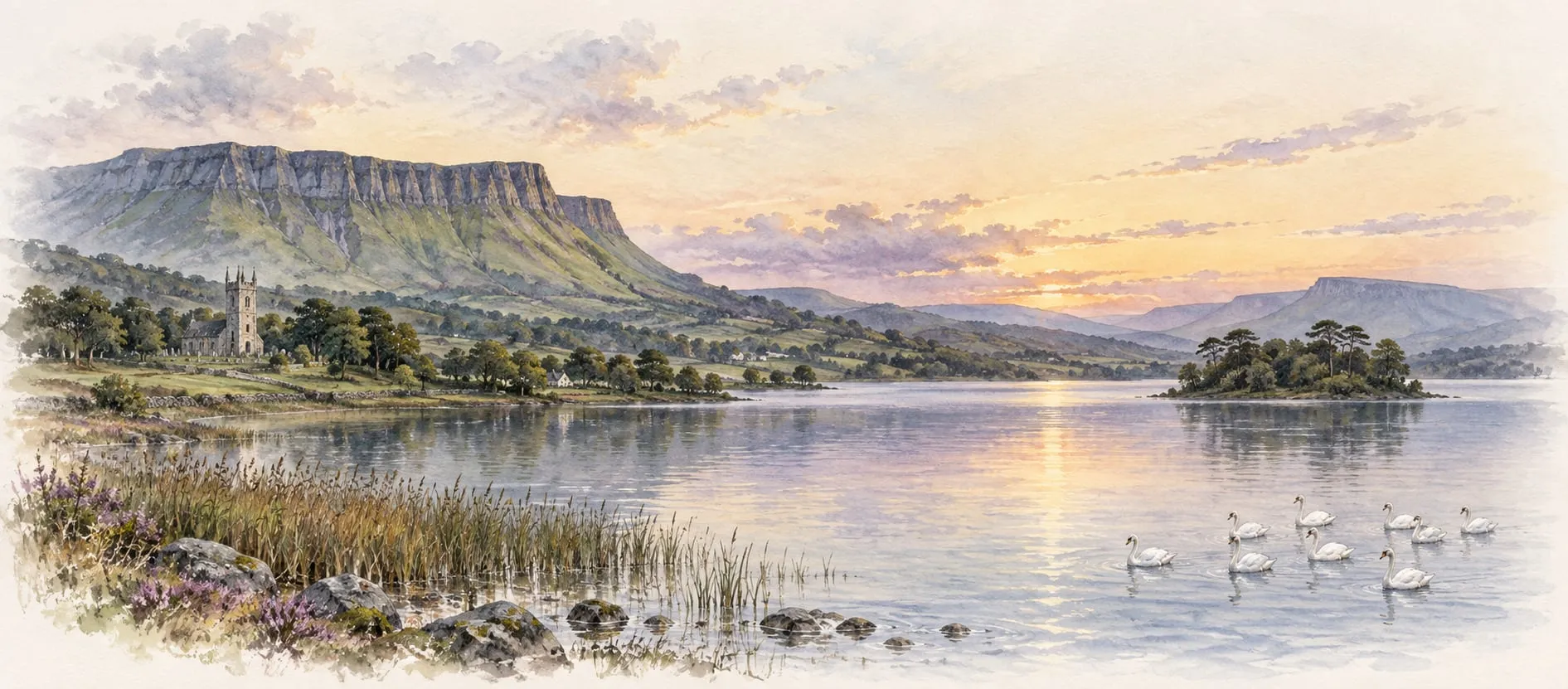
In a valley where "happy lovers passed two by two", he stands alone among sighs. Then his "lost love" comes "stealthily out of the wood", with "cloud-pale eyelids falling on dream-dimmed eyes", a figure half real and half vision.
Lines 5 to 8The warning
He cries to the women to let the young men rest their heads on their knees and "drown their eyes with your hair", so that they do not see her. Otherwise they will find "no other face fair" until "all the valleys of the world have been withered away".
Themes
Beauty as danger
Her beauty is so great that it is a threat. One sight of her, the speaker believes, would spoil every young man's love for anyone else. The only protection is not to look: the women must "drown their eyes with your hair". Beauty that should bring joy brings a kind of curse.
Alone among lovers
The dream sets the speaker "amid sighs" in a valley full of "happy lovers" in pairs. His love is "lost", and appears only in a dream. His warning to the women comes from his own experience: remembering her, he too can find no other face fair.
Context
The poem was collected in The Wind Among the Reeds (Elkin Mathews, London, 1899) as "Aedh tells of a Valley full of Lovers". Aedh was one of the named voices Yeats used for the love poems in the book; from 1906 the speaker became simply "He".
Its picture of the lost love, "With her cloud-pale eyelids falling on dream-dimmed eyes", is echoed at the start of the next poem in the book, "He tells of the Perfect Beauty", which opens "O cloud-pale eyelids, dream-dimmed eyes". Read together, the two poems move from the dream of loss to a vow of lifelong devotion.
Form
Eight long lines of five or six beats, rhymed abba cddc ("sighs", "stood", "wood", "eyes"; "lay", "hair", "fair", "away"). The first quatrain is the dream and the second the cry, and the stretched final line reaches out to the end of time.
Title only: 1899 persona title "Aedh tells of a Valley full of Lovers" (Gutenberg 32233) replaced from 1906 (Gutenberg 49608). Check wording against the 1899 text before choosing a version.