Beggar to Beggar cried
Listen
Text: Poetry, by W. B. Yeats (Standard Ebooks, 2024), from the collected editions of 1908 to 1928. Public domain.
In brief
SummaryA frenzied beggar daydreams of a respectable married life by the sea.
One beggar tells another his plans. He will give up the road, recover his health in the sea air and "make my soul" before he goes bald. He will get a wife and a house to cure his restlessness and his lust. She must not be too beautiful, because vanity is "a devil in a looking-glass", nor too rich, because the rich have no "humorous happy speech". Then he will grow respected and hear the barnacle-geese at night. The refrain, "being frenzy-struck", reminds us that this sober plan comes from a man in a fit of madness.
Lines to remember
Beggar to beggar cried, being frenzy-struck,
But there's a devil in a looking-glass.
The wind-blown clamor of the barnacle-geese.
Line by line
Lines 1 to 4Time to settle
"Time to put off the world" sounds like a vow to enter religion, but he means the sea air and his health. He wants to "make my soul", to set it right with God, "before my pate is bare".
Lines 5 to 8The two devils
A wife and house will rid him of "the devil in my shoes", the urge to wander, and of "the worse devil that is between my thighs". The bawdy joke sits comfortably inside the pious plan.
Lines 9 to 12Not too comely
His wife should be good-looking, but not too good-looking, because "there's a devil in a looking-glass". A pretty wife would be vain, and vanity is one more devil to escape.
Lines 13 to 16Not too rich
She must not be rich either: the rich are driven by wealth as beggars are by "the itch", and cannot enjoy a "humorous happy speech". The beggar, oddly, knows the value of good talk better than money.
Lines 17 to 20Peace and geese
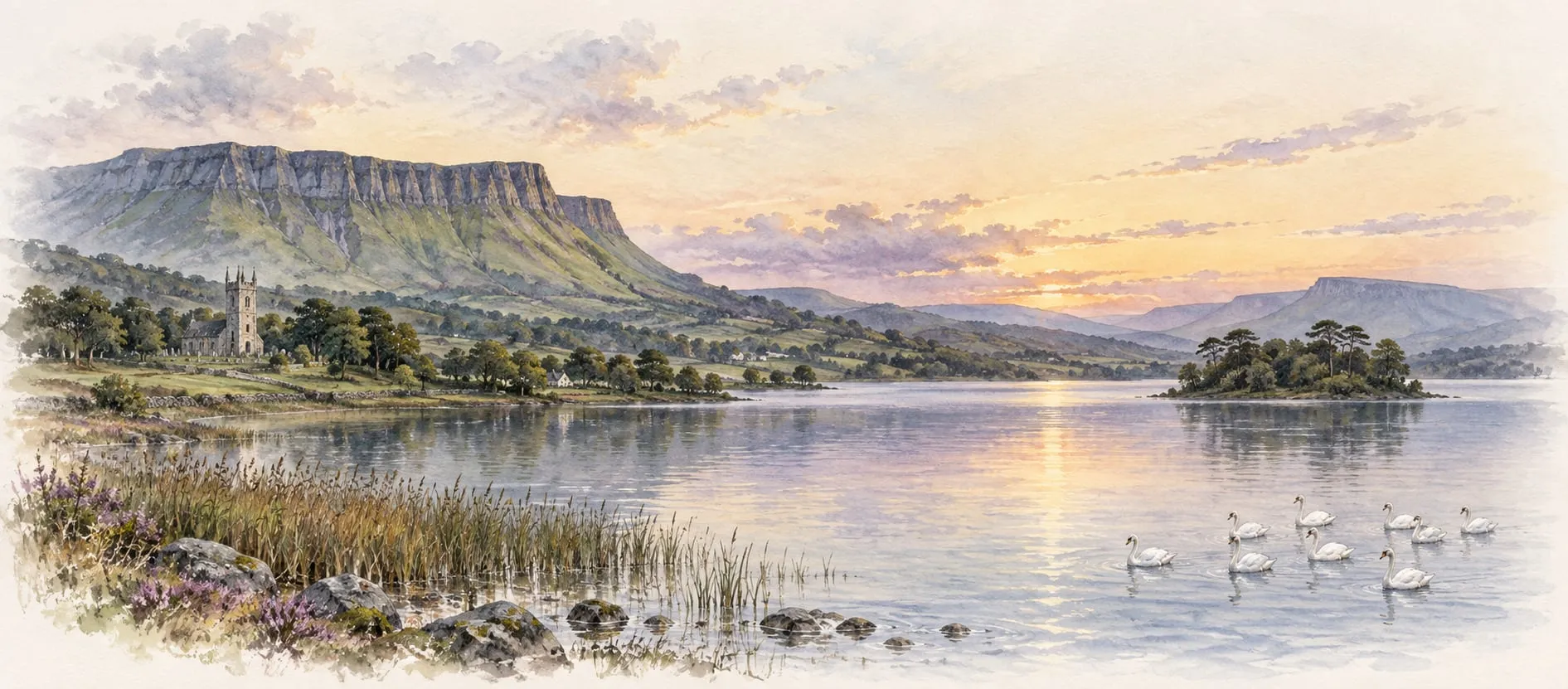
The dream ends in respectability and "the garden's nightly peace". But the last sound he imagines is "The wind-blown clamor of the barnacle-geese": wild birds on the move, the very restlessness he says he wants to leave behind.
Themes
Respectability
The beggar's dream is of an ordinary settled life: health, a wife, a house, a garden, being "respected at my ease". He works out the details with comic care, ruling out a wife too "comely" or too "rich". The joke is that the most sensible plan in the poem belongs to a man "frenzy-struck".
Devils within
Three devils appear: the wanderer's "devil in my shoes", lust "between my thighs" and vanity "in a looking-glass". The beggar sees marriage and home as a cure for all of them. The poem enjoys the mixture of earthy desire and religious language, as in "make my soul".
The wild call
The final image undoes the plan. Even in his imagined garden, what he listens for is the "wind-blown clamor of the barnacle-geese", birds that travel great distances. The line suggests the beggar will never truly settle, because what moves him most is still the sound of the wild.
Context
"Beggar to Beggar cried" was collected in Responsibilities (Cuala Press, 1914), among a group of poems about beggars and hermits. In these poems Yeats uses rough speakers and plain, sometimes bawdy speech, a sharp change from the dreamy tone of his early work, and he mixes their comedy with glimpses of real longing.
Form
Five quatrains of pentameter. In each, lines 1, 2 and 4 rhyme ("somewhere", "air", "bare"), some with half-rhymes ("house", "shoes", "thighs"), and line 3 is the unrhymed refrain "Beggar to beggar cried, being frenzy-struck". The refrain breaks into the beggar's speech every time, reminding us who is talking and in what state.