These are the Clouds
Listen
Text: Poetry, by W. B. Yeats (Standard Ebooks, 2024), from the collected editions of 1908 to 1928. Public domain.
In brief
SummaryA friend is consoled that greatness endures even as it declines.
The poem opens and closes with the same image: clouds gathering round a setting sun, a majesty closing "his burning eye". Between these lines Yeats describes a time of decline, when "The weak lay hand on what the strong has done" and everything is brought down to "one common level". Then he turns to a friend. Even if your life's work ended and all this followed, he says, you would have had greatness as your companion, though you may sigh for the children who come after. The poem is both a lament and a consolation.
Lines to remember
These are the clouds about the fallen sun,
The majesty that shuts his burning eye:
Line by line
Lines 1 to 2The setting sun
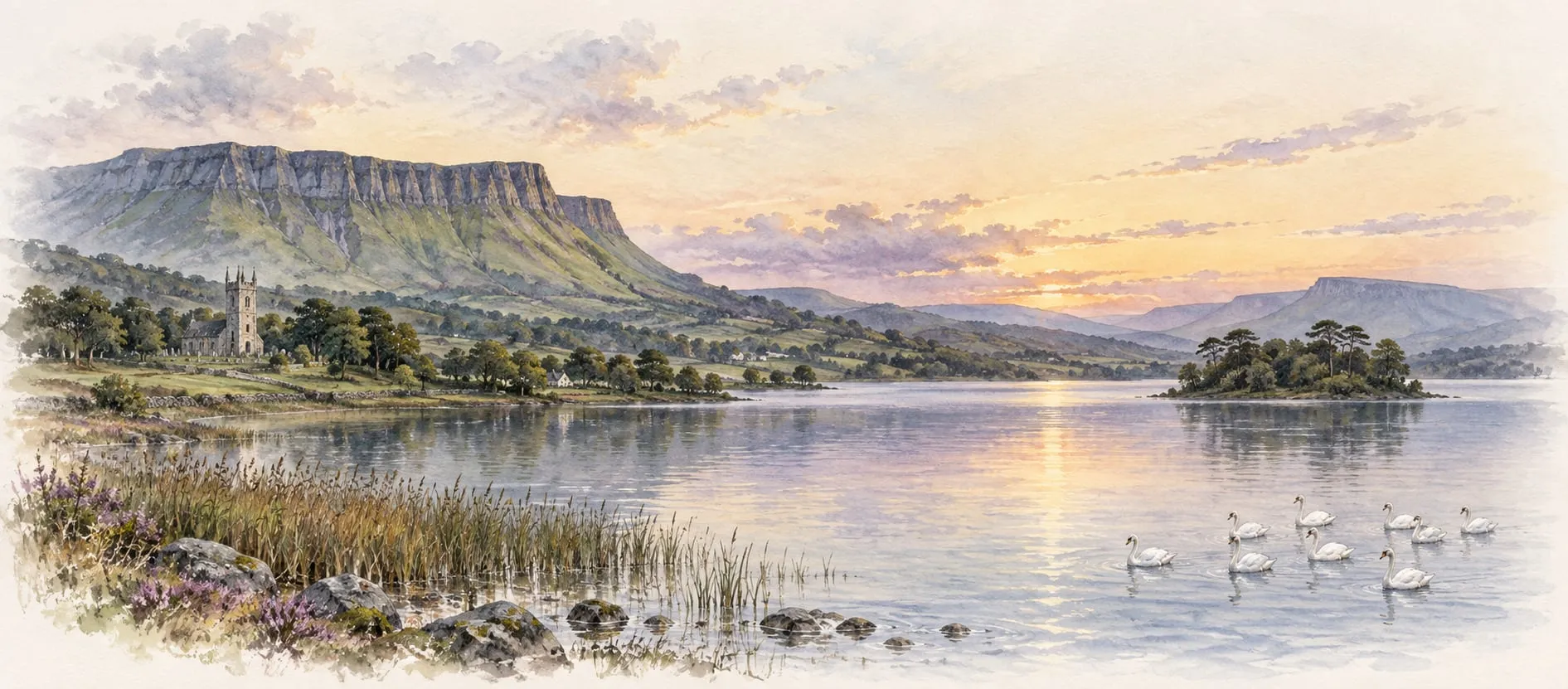
The image is a sunset: clouds crowd round "the fallen sun", and the sun's majesty "shuts his burning eye". The sun stands for greatness in decline, still splendid as it goes down.
Lines 3 to 6The levelling
Yeats spells out what the sunset means. The weak seize what the strong built, until what "was lifted high" is tumbled, "discord" follows harmony, and "all things at one common level lie". The rhymes keep returning to the same two sounds, as if nothing new could happen.
Lines 7 to 10To the friend
"And therefore, friend" turns to consolation. If your "great race were run" and this decline came, you would still have "made greatness your companion". The last clause admits a grief: "it be for children that you sigh", for those who will inherit a lesser world.
Lines 11 to 12The image returns
The opening lines return word for word. Coming after the consolation, they sound less like a lament and more like a stately acceptance: this is how a great thing sets.
Themes
Decline
The poem fears a world flattened out: "all things at one common level lie". It sets the "weak" against the "strong" and "discord" against "unison", and it is clear which side Yeats values. The fear of a levelling age that pulls down great achievements runs through The Green Helmet, alongside "Upon a House shaken by the Land Agitation".
Greatness as consolation
The consolation is that greatness cannot be taken back. The friend has "made greatness your companion", and that remains true whatever follows. The sunset image supports this: even a fallen sun is surrounded by "majesty". The hope for the future is weaker ("it be for children that you sigh"), but the past is safe.
Context
The poem was first collected in The Green Helmet and Other Poems (Cuala Press, 1910). It is usually read as addressed to Lady Gregory, at a time when Yeats feared for the future of her house at Coole and of the class that had built it. It belongs with the neighbouring poems on Coole and on a friend's illness, which share its mood of anxious loyalty.
Form
Twelve lines of iambic pentameter on just two rhyme sounds, alternating ABABABABABAB ("sun", "done", "unison"; "eye", "high", "lie"). Lines 11 and 12 repeat lines 1 and 2 exactly. The narrow rhyme and the returning refrain make the poem feel enclosed and ceremonial, like a slow procession.