The Man and the Echo
Earlier titled "Man and the Echo"
About the text
Yeats first published this poem in 1939. It is out of copyright in Ireland and the EU, but in the United States it stays in copyright until the start of 2035, and this site is served partly from American servers. So for now we give the notes without the full text; it will appear here in 2035.
It begins: In a cleft that's christened Alt
In brief
SummaryAn old poet questions his life's effects, and hears only an echo.
An old man goes down into a rocky cleft called Alt and shouts a secret to the stone. Everything he has said and done now keeps him awake with questions: whether his play sent out young men whom the English shot, whether his words strained a woman's troubled mind, whether he could have saved a house from ruin. He wishes he could lie down and die, and the echo repeats him. He rejects that: it would dodge the soul's great work of judging itself, which goes on even after death until the intellect sees everything clearly and at last sinks into the night. The echo again repeats the last words. He asks the rocky voice whether we shall rejoice in that night, but gets no answer. Then he loses his thread altogether, as a hawk or owl strikes a rabbit on the rock above, and its cry distracts him.
Lines to remember
Did that play of mine send out
Line by line
Lines 1 to 5In the cleft
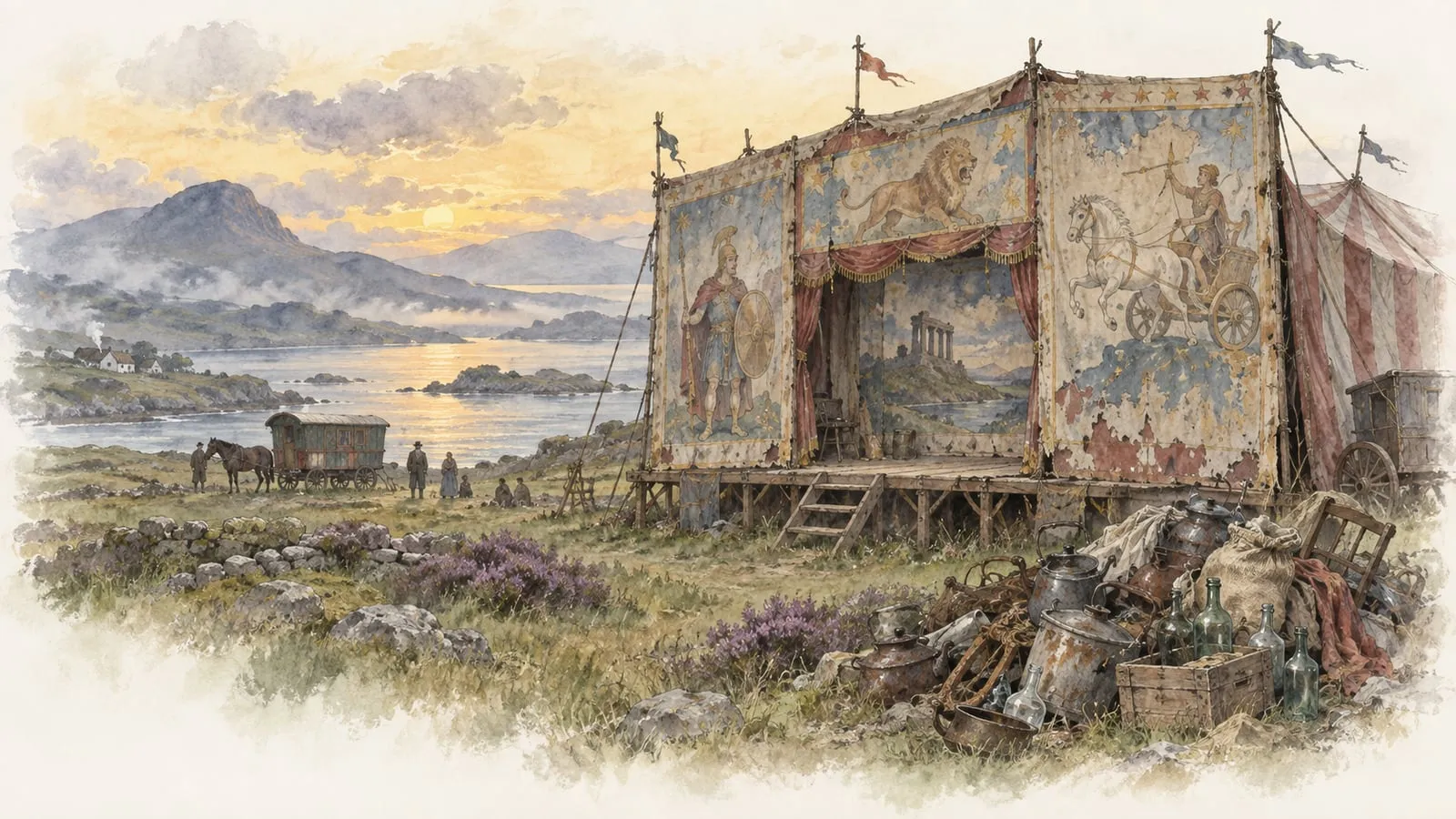
The man stands at the bottom of a rocky pit, a cleft called Alt, where even noon never reaches. Like someone at an oracle or confessional, he shouts a secret to the stone.
Lines 6 to 10Sleepless questions
Now that he is old and ill, all his words and actions have turned into questions. He lies awake night after night and never gets the answers right, the rhyme on "night" and "right" pressing the point home.
Lines 11 to 16Three questions
He asks whether a play of his sent out men that the English shot, whether his words overstrained a woman's "reeling brain", and whether speaking could have saved a house from wreck. Each question weighs a poet's responsibility for real events.
Lines 17 to 19Lie down and die
Everything seems evil, and he feels he could lie down sleepless and die. The echo gives back his last words, turning his despairing thought into a flat command from the rock.
Lines 20 to 25No release
He refuses. Dying would be shirking the "spiritual intellect's great work", and shirking it in vain, since neither a dagger nor disease brings release. No work is as great as the one that cleans man's dirty slate.
Lines 26 to 38Judgment of the soul
While the body lives, wine or love can drug a man to sleep. Once the body is gone he never sleeps, but pursues his thoughts until everything is arranged in one clear view, then judges his soul, dismisses all, and sinks into the night. The echo repeats those final words.
Lines 39 to 42O Rocky Voice
He addresses the echo directly and asks whether we shall rejoice in that great night. He admits that all we really know is that we face one another here and now.
Lines 43 to 48The rabbit's cry
Then he loses the theme; joy and night alike seem a dream. Above, a hawk or owl has struck, and a wounded rabbit is crying out. The last line is plain and exact: its cry distracts his thought, and the poem ends in the real world of pain.
Themes
Responsibility
The questions of the first speech are among the most searching Yeats asked of himself. They concern the effects of his words on real lives: men who died after the Rising, a woman's mind, a family house. The poem does not answer them, but it takes seriously the idea that poetry acts in the world and that the poet must answer for it.
Death and judgment
The Man describes the soul after death reviewing its whole life until it sees everything "in one clear view", then passing into night. This is the "great work" that suicide would only postpone. The echo's replies reduce his thought to its bleakest words, and the question of whether we shall rejoice remains open.
The limits of thought
The ending is one of Yeats's most candid moments. After grand speculation, a rabbit's cry breaks in and he cannot hold his theme. Physical suffering, sudden and close, outweighs all his systems. The poem ends not with an answer but with attention to a real creature's pain.
Context
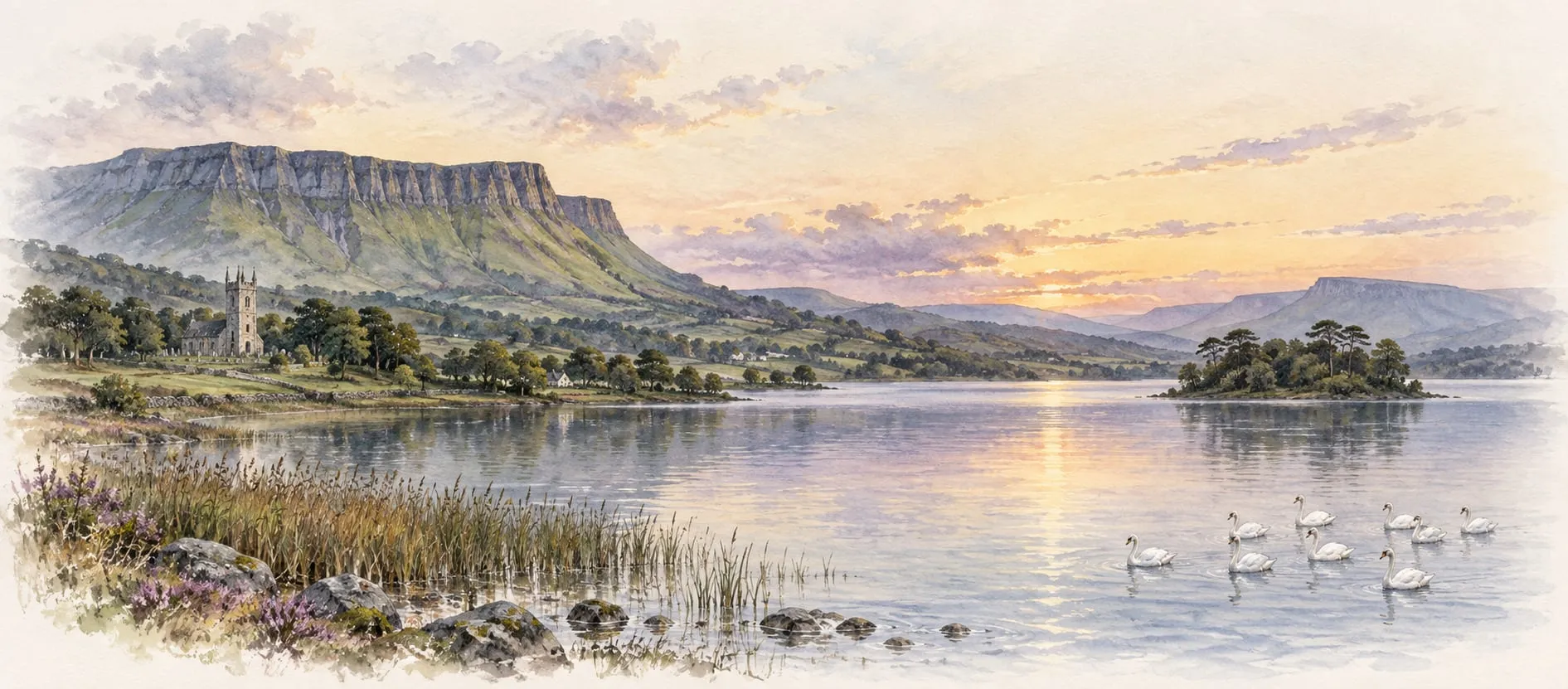
The poem was first published in book form in Last Poems (1939), after Yeats's death; an earlier title was "Man and the Echo". Alt is usually identified as a rocky glen on the side of Knocknarea in County Sligo, the mountain of his childhood country.
The play of the first question is generally taken to be Cathleen ni Houlihan (1902), in which Ireland, as an old woman, calls young men to die for her; it was later said to have stirred some of the men of the Easter Rising of 1916. The woman with the "reeling brain" is often identified as the actress and poet Margot Ruddock, whose breakdown distressed Yeats. The wrecked house may be Coole Park, Lady Gregory's home, whose decline he witnessed; the poem names none of them.
Form
Rhyming couplets in short lines of about four beats, a quick, plain measure that suits self-questioning, set out as a dialogue between Man and Echo. The echo's two lines repeat the ends of the Man's speeches, cutting them to their starkest sense. The last couplet rhymes "out" with "thought", only a near-rhyme, as if the poem's control is slipping.