The Dawn
Listen
Text: Poetry, by W. B. Yeats (Standard Ebooks, 2024), from the collected editions of 1908 to 1928. Public domain.
In brief
SummaryThe poet wishes to be as ignorant and carefree as the dawn.
The poet wishes to be "ignorant as the dawn". The dawn has looked down on an ancient queen marking out a town with the pin of her brooch, and on the withered astronomers of Babylon, who watched the planets and stars and did their sums on tablets. It has seen all this history and learning and cared for none of it: it "merely stood", rocking a glittering coach above cloudy horses. The poem ends by rejecting knowledge outright, "for no knowledge is worth a straw", and asking to be "Ignorant and wanton as the dawn".
Lines to remember
I would be ignorant as the dawn
Ignorant and wanton as the dawn.
Line by line
Lines 1 to 4The old queen
The wish is stated first, then illustrated. The dawn once looked down on "that old queen measuring a town / With the pin of a brooch", a founding act from legend, remembered only as a small, strange gesture.
Lines 5 to 9The astronomers of Babylon
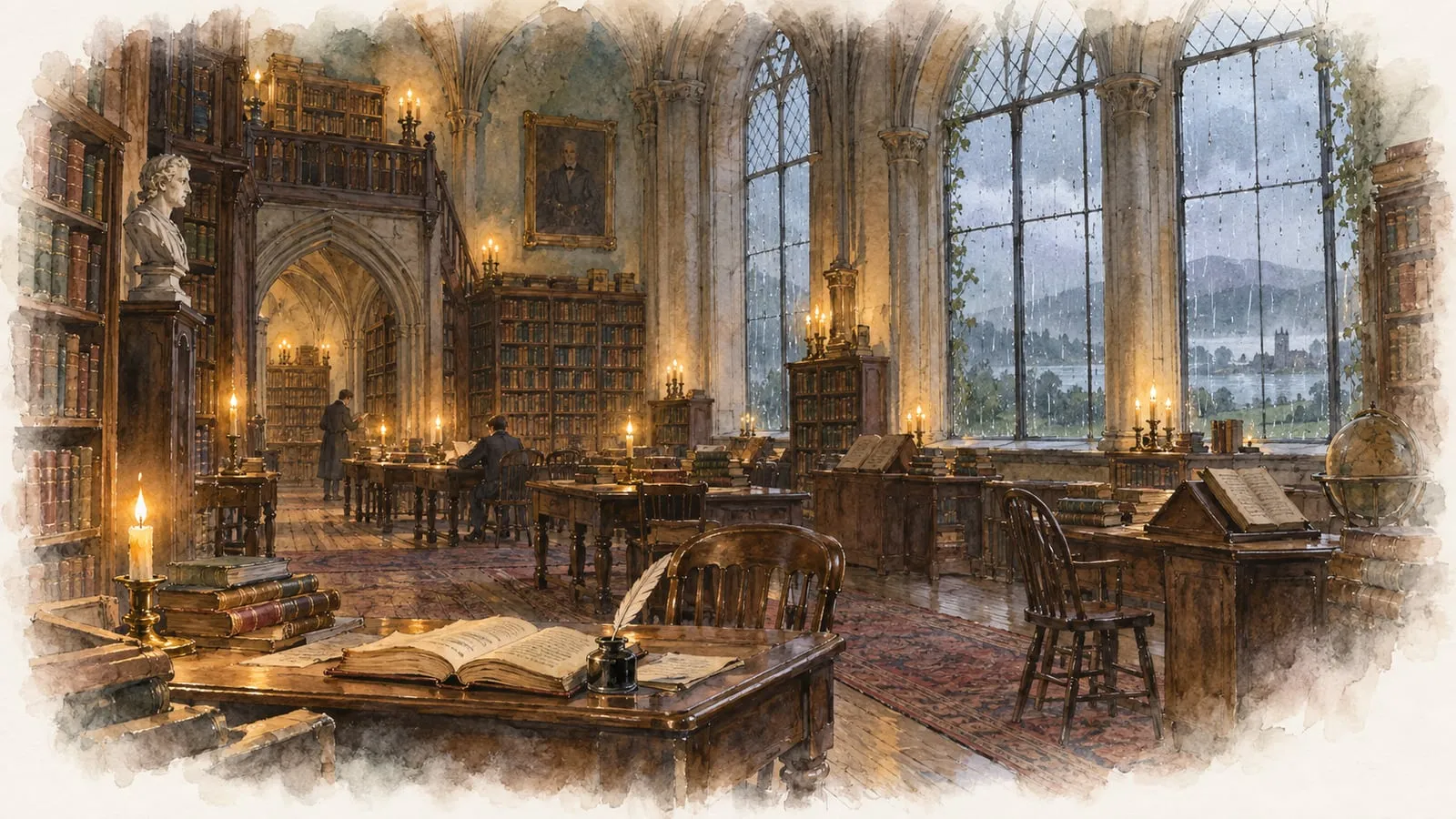
The dawn also saw "the withered men" of "pedantic Babylon" watching "The careless planets" and doing sums on tablets. The planets are "careless", the men are withered: the stars do not care that they are being measured.
Lines 10 to 14Ignorant and wanton
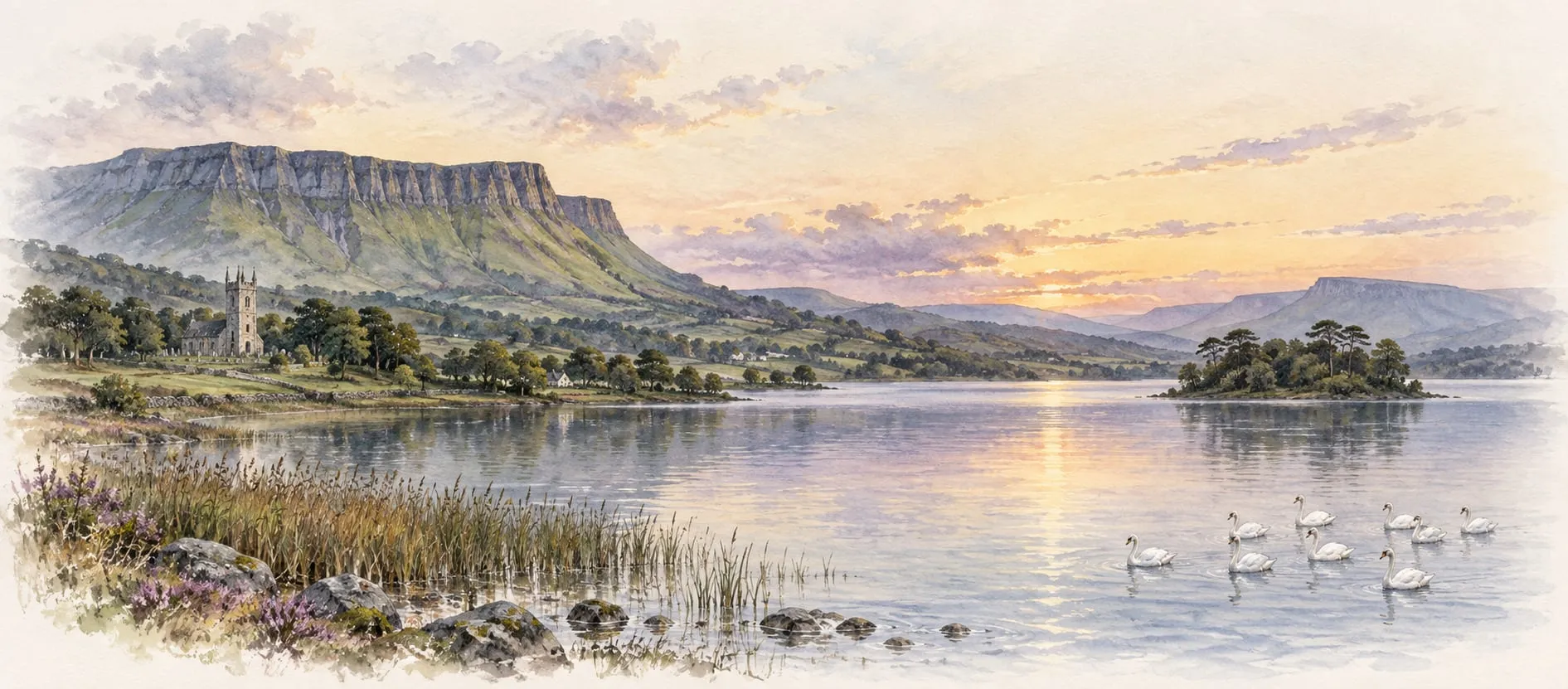
The dawn "merely stood", rocking a "glittering coach", perhaps the chariot of the sun, above the "cloudy shoulders of the horses", a bright, bodily image. Then the refrain returns with its reason: "no knowledge is worth a straw". The last word added is "wanton", playful and unrestrained.
Themes
Against knowledge
The poem takes the side of instinct against learning. The astronomers are "withered" and "pedantic", and their tablets and sums seem small beside the planets they measure. The blunt phrase "no knowledge is worth a straw" is deliberately extreme: a middle-aged, bookish poet wishing himself free of books.
Nature's indifference
The dawn has seen the founding of towns and the birth of astronomy and was changed by neither. It "merely stood". That indifference is what the poet envies: a way of being present at everything without the weight of meaning, memory or care.
Context
The poem was collected in The Wild Swans at Coole, published by the Cuala Press in 1917. The "old queen" is usually identified as Macha of Ulster legend, who was said to have marked out the boundaries of her fort, Emain Macha, with the pin of her brooch. Babylon was famous in the ancient world for its astronomers, who recorded the movements of the planets on clay tablets. The poem belongs with others in the book that set wild instinct against dry learning, such as "The Scholars".
Form
A single fourteen-line stanza of uneven lines, bound together by the refrain "ignorant as the dawn", which appears three times and ends the poem. The rhymes are irregular but strong ("brooch" and "coach", "courses" and "horses", "saw" and "straw"), giving a loose shape a firm close.