On being asked for a War Poem
Earlier titled "A Reason for Keeping Silent"
Listen
Text: Poetry, by W. B. Yeats (Standard Ebooks, 2024), from the collected editions of 1908 to 1928. Public domain.
In brief
SummaryA poet declines to write about the war and says why.
Asked for a poem about the war, the speaker answers that in times like these a poet had better keep quiet. Poets have no gift for setting statesmen right. It is enough, he says, to have pleased a young girl in her idle youth or an old man on a winter's night. The poem is itself a polite refusal, and in six lines it sets out a modest, private idea of what poetry is for.
Lines to remember
I think it better that in times like these
A poet keep his mouth shut, for in truth
We have no gift to set a statesman right;
Line by line
Lines 1 to 3Keep quiet
The opening is plain and conversational: "I think it better". "Keep his mouth shut" is almost rude, a deliberate refusal of grand public language, and line 3 denies that poets have any "gift to set a statesman right".
Lines 4 to 6Poetry's real audience
The poet's true work is to please two quiet readers, a young girl "in the indolence of her youth" and "an old man upon a winter's night". Youth and age frame all of life, and both are pictured at leisure, far from the battlefield.
Themes
Poetry and politics
The poem argues that poets should not "meddle" in public affairs, since they have "no gift to set a statesman right". Yeats would later write many political poems, so the refusal is tied to "times like these": the war is too large and too terrible for a poet's opinions.
Private pleasure
Instead of rousing a nation, poetry here gives quiet pleasure to single readers. The girl's "indolence" and the old man's "winter's night" are moments of rest, and the poem suggests that serving them is not a lesser task but the proper one.
Context
The poem was first printed as "A Reason for Keeping Silent" in The Book of the Homeless (1916), an anthology edited by the novelist Edith Wharton to raise money for people made homeless by the First World War. It was then collected under its present title in The Wild Swans at Coole (1917).
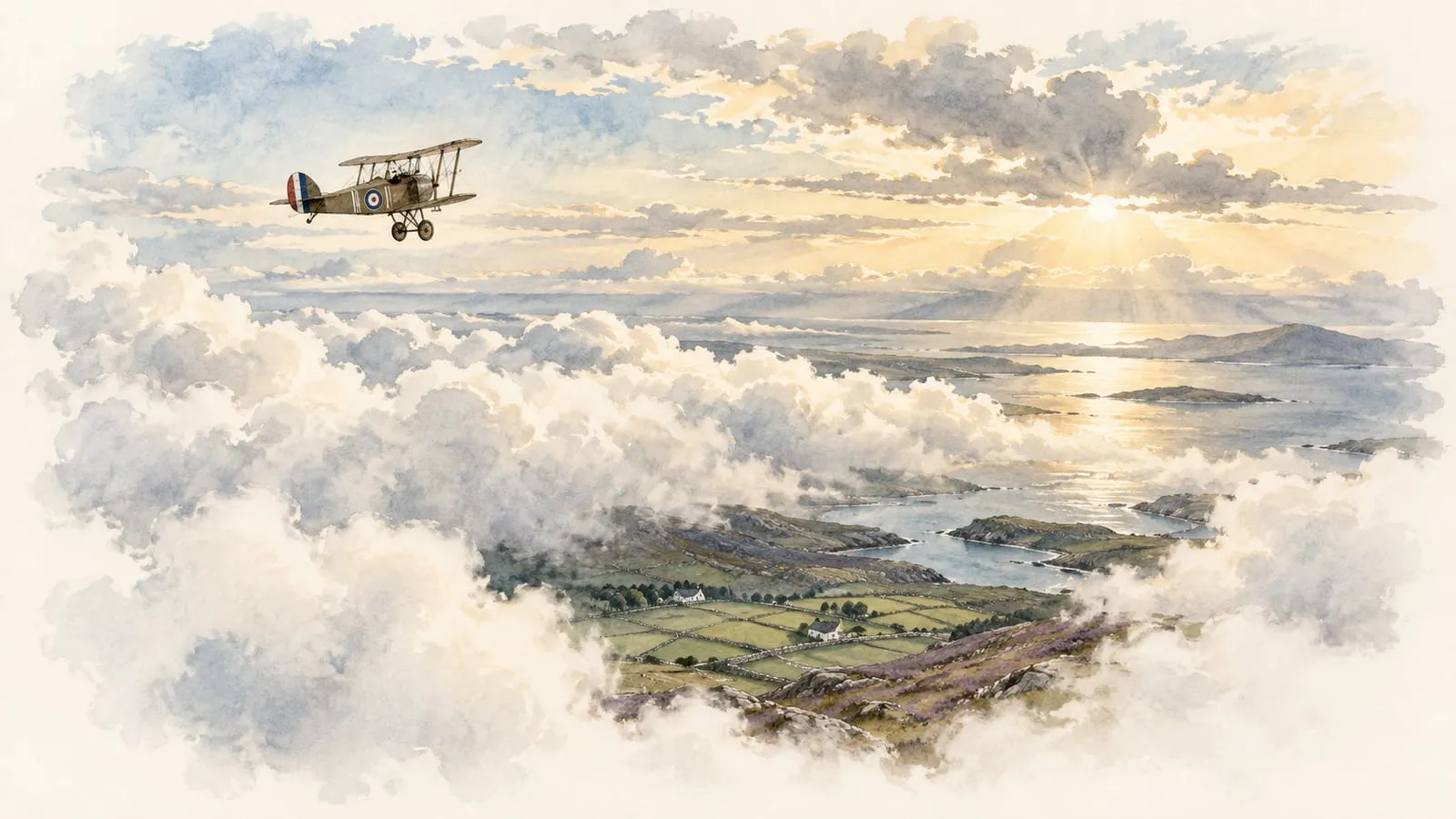
The same book contains "An Irish Airman Foresees His Death" and the elegy for Robert Gregory, poems in which the war does enter Yeats's work, but through one person he knew rather than through public argument. Even there, the airman speaks of his own lonely choice, not of the causes of the war.
Form
Six lines of iambic pentameter rhyming abcabc: "these" and "please", "truth" and "youth", "right" and "night". The rhymes are widely spaced, so the poem sounds like calm, reasonable talk while still closing firmly on "winter's night".