Love's Loneliness
About the text
Yeats first published this poem in 1932. It is out of copyright in Ireland and the EU, but in the United States it stays in copyright until the start of 2028, and this site is served partly from American servers. So for now we give the notes without the full text; it will appear here in 2028.
It begins: Old fathers, great-grandfathers
In brief
SummaryFrightened lovers call on their ancestors for protection under a thin moon.
A short song in two stanzas. The speaker calls on the old fathers and great-grandfathers of the family to rise and help, as kin should. If they ever knew a lover's loneliness, let them pray for the lovers who carry on their blood. The second stanza moves outdoors at night: a mountain casts its shadow, the moon is a thin crescent, and the lovers remember something that happened under a ragged thorn tree. Now longing has turned to fear, and their hearts are torn.
Lines to remember
Dread has followed longing,
Line by line
Lines 1 to 6Calling the ancestors
The speaker summons the family's forefathers to stand by their descendants. If they ever felt the loneliness of love where they once stood, they should pray to Heaven for the lovers, who are after all their own blood. The appeal is formal, almost like a prayer at a grave.
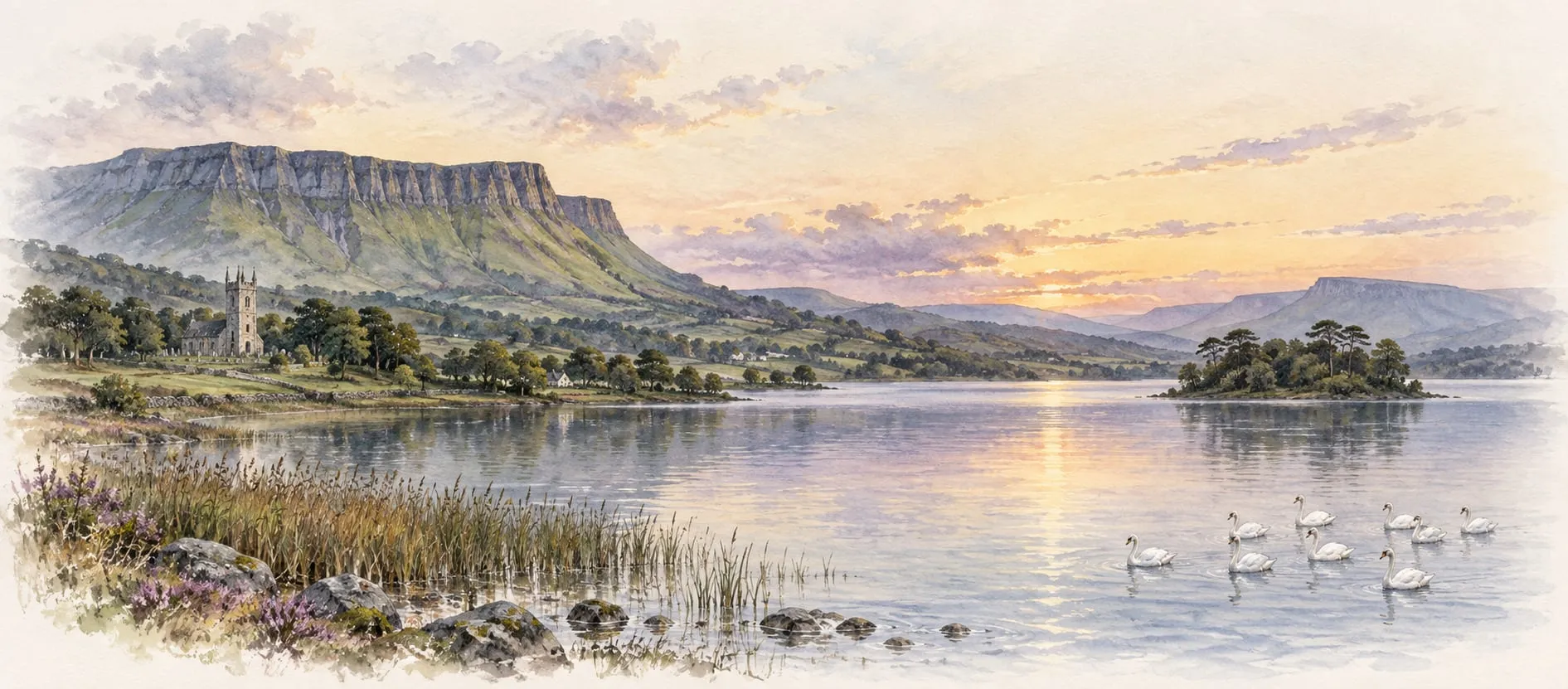
Lines 7 to 12Under the ragged thorn
The scene darkens: a mountain's shadow, a thin horn of moon. The lovers ask what they remembered under the thorn tree, and do not answer. The last lines give the result in plain words: after longing came dread, and their hearts are torn.
Themes
Love and fear
The title pairs love with loneliness, and the song ends by pairing it with dread. Something done or recalled under the thorn has left the lovers afraid rather than content. The poem never says what it was, and that silence is part of its unease. The thin moon and the mountain's shadow make the night feel exposed and threatening.
Blood and ancestry
The lovers turn for help not to God directly but to their ancestors, asking them to pray to Heaven. Family is imagined as a line of blood that still binds the living and the dead. The ancestors are expected to understand, because they too once knew love's loneliness.
Context
The poem belongs to "Words for Music Perhaps", a sequence of short songs first collected in Words for Music Perhaps and Other Poems (Cuala Press, 1932) and then in The Winding Stair and Other Poems (Macmillan, 1933). The sequence opens with the Crazy Jane poems and moves through several songs spoken by lovers; this one comes just after "Her Anxiety" and "His Confidence". The speaker is not named. In Irish country belief the lone thorn tree was often linked with the fairies, which may add to the lovers' dread.
Form
Two six-line stanzas of short lines, mostly of three beats. Only the even lines rhyme: in the first stanza "should", "stood" and "blood" chime by eye as much as by ear, while the second has the full rhymes "horn", "thorn" and "torn". The clipped lines give the song the feel of a folk charm.